



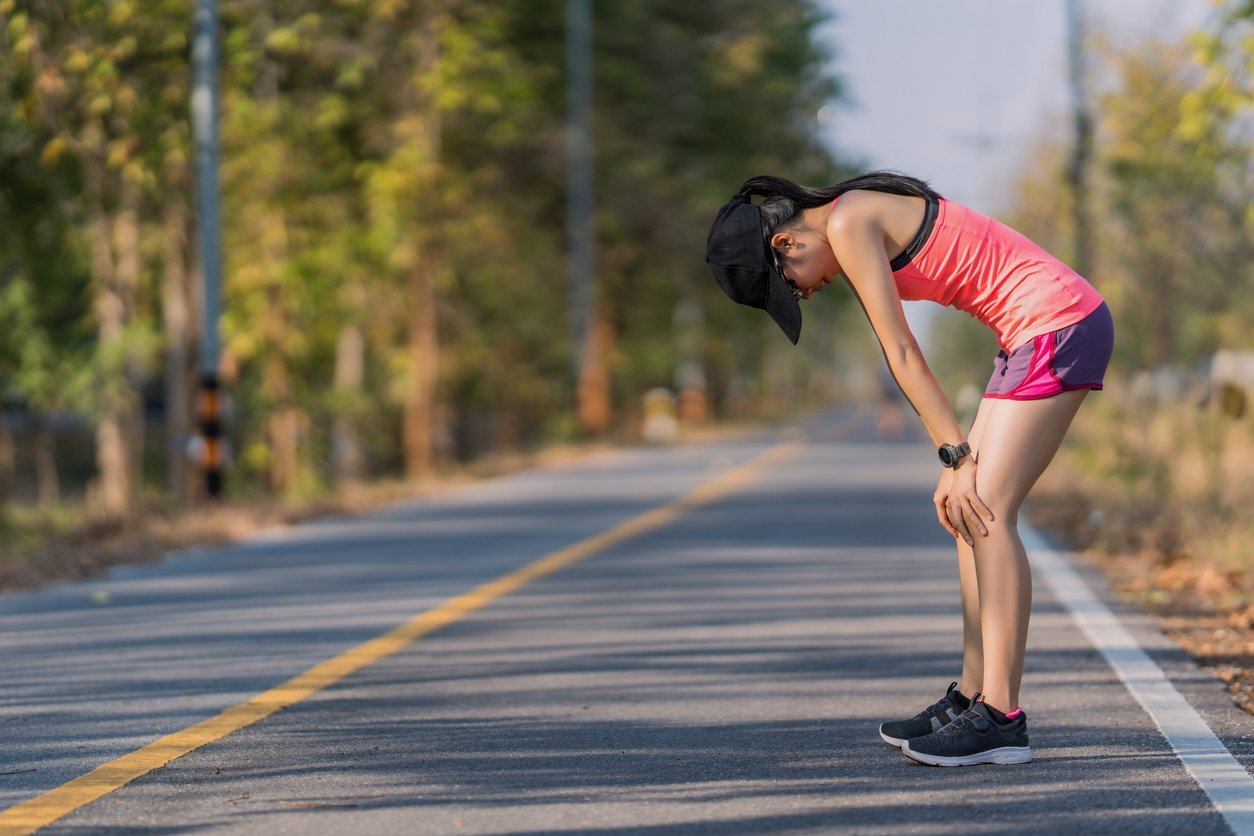
A demanding workout has ended, and we feel great. A short while later, however, our energy has vanished, our muscles feel heavy, and all we want to do is sit on the couch. This state is often described as post-workout fatigue.
However, the severity of this fatigue depends on factors such as the type of exercise, its intensity and duration, and how accustomed our body is to the specific activity.
Why does exercise leave us feeling drained?
- During exercise, changes occur within the muscles themselves that can temporarily affect their ability to contract and generate force.
- The nervous system also plays a role. The brain and spinal cord send the signals that allow muscles to contract. Intense exercise can temporarily reduce the nervous system’s ability to fully activate the muscles, contributing to what is known as “central fatigue.”
- There is also the issue of energy. Muscles store carbohydrates in the form of glycogen, which they use as fuel. A long or demanding workout depletes these stores, which can contribute to a feeling of exhaustion.
- Finally, we lose water and electrolytes, such as sodium, through sweat. If fluid losses are significant and not replenished, dehydration can reduce our performance and make exercise feel even more difficult.
The good news is that the body adapts. When we repeat similar exercises, we tend to experience less muscle damage and less soreness—a phenomenon scientists call the “repeated-bout effect.”
Exercise: What aids recovery?
The most effective measures are simple: food, fluids, sleep, and time.
After a long or demanding workout, carbohydrates help replenish depleted energy stores, while protein provides the amino acids the body needs for recovery and adaptation to exercise.
Fluid replenishment is also important. For most short workouts, water suffices. However, after prolonged or very intense exercise—or when there has been heavy sweating, such as in hot weather—electrolyte replacement may also be necessary.
Sleep gives the body more time to recover, while there is evidence that other practices—such as light movement, massage, or water immersion—can assist with certain aspects of recovery.


