



Russia is unveiling its final plan for Ukraine, which cannot but include the capture of Odessa, which is extremely important for the required security guarantees that Moscow has sought for the last 30 years in view of the continuous expansion of NATO in the wider region. As the Liberal Globe has pointed out, Russia’s control of the Black Sea region and the return of Odessa to Russian rule are expected to radically change the situation in the region.
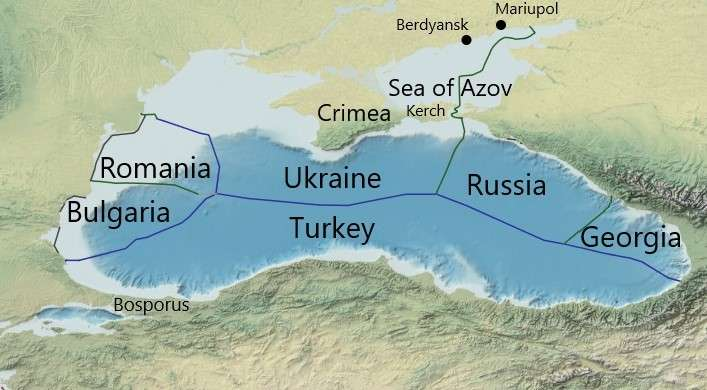
These developments, which are inevitable and logical, indicate the continuation of Russia’s strategic expansion and the reshaping of alliances and balances in the region. Russia regains its strategic dominance in the region With the re-annexation of Crimea and the Sea of Azov, Russia is reasserting its status as the dominant power in the Black Sea, with one of its most important strategic goals being to consolidate the security of the region and deter external influences, such as NATO bases or Ukrainian military forces, which in the past were dangerous to Russia’s interests. Russia has achieved a crucial goal: Odessa will no longer host the Ukrainian navy and, of course, there will be no NATO base in the region.
Rapid Russian advance perfectly serves the plan to capture Odessa
The final plan to capture Odessa is perfectly served by the rapid Russian advance into Ukraine, which is gaining new dimensions as its forces move along the southern front, approaching Zaporizhia and Dnpepropetrovsk.
According to statements by Ukrainian military and political figures, Russian forces appear to be bypassing the main defensive lines of the Ukrainian army, advancing from the Dnepropetrovsk region towards Zaporizhia, which raises serious concerns in Kiev about the next phase of the conflict and Kiev’s strategy.
It turns out that the Russians’ ultimate goal is not only Donbass but these two strategic regions and of course Odessa, while the end of the invasion of Ukraine is now set for 2027. Russian forces are moving quickly on the southern front, exploiting gaps in the Ukrainian army’s defensive line and bypassing the strong positions around Pokrovsk (Donetsk region).
The Russian Plan: Control of Ukraine
Stage A: War and occupation of territories, Ukraine will not have access to the Black Sea
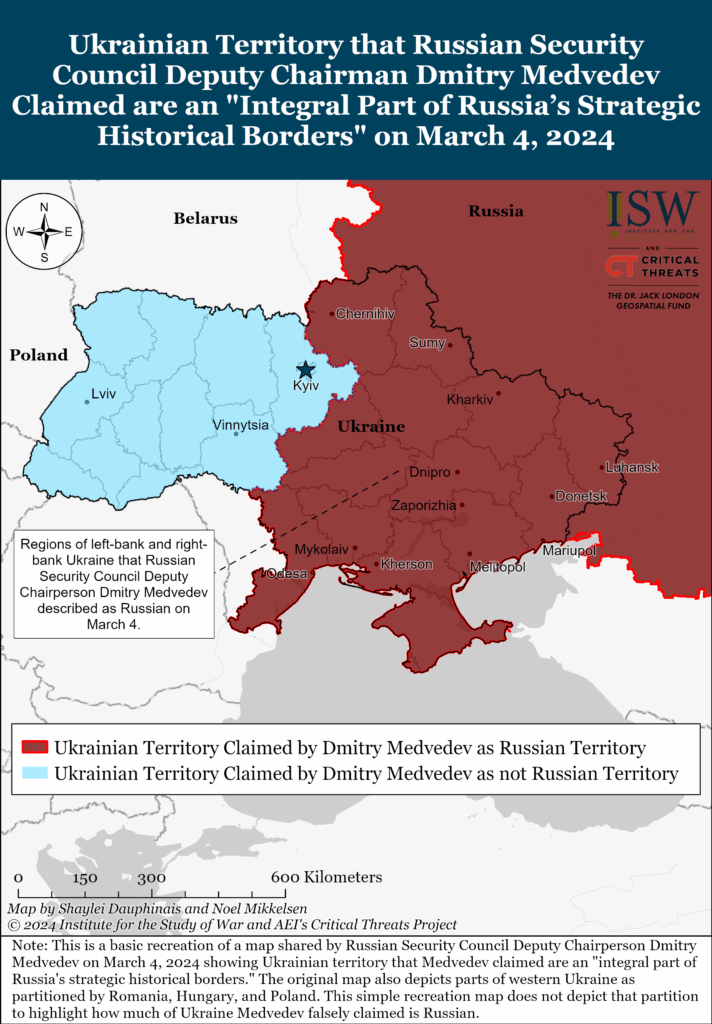
The first stage involves active military action. Russia plans to take control of part of the Ukrainian territory, so that it remains economically viable only with Russia’s consent. The Kremlin’s strategic calculations boil down to the fact that, in addition to the four regions incorporated into the country, Russian troops should maintain positions in Kharkiv, Nikolayev and Odessa. This will cut off Ukraine’s access to the Black Sea and seriously complicate its situation.
Stage B: Εconomic and political leverage
After this, Russia could declare a ceasefire and begin the second stage. This will involve economic and political leverage.
Stage C: 100% Integration into the Russian geopolitical sphere of influence
The third stage involves the complete integration of Ukraine into the geopolitical sphere of influence of Russia. If Russia can accelerate its military output, it could chart a course to force Ukraine to surrender by the end of 2026. Russia has not yet completed the first phase.
The Russian military is counting on the gradual depletion and reduction of the defensive capabilities of the Ukrainian Armed Forces. Since the start of the special operation almost three years ago, the pressure on the Ukrainian army has been steadily increasing. For example, the number of personnel in the infantry units of the Ukrainian Armed Forces has been decreasing every month, although the overall strength remains approximately stable.
However, Russia may soon face the need to increase its resources and personnel. In recent years, volunteers have been actively recruited, receiving large payments for their participation in special operations. In 2024 and 2025, it was precisely this recruitment of volunteers that made it possible to launch offensive operations with strong infantry.
However, to maintain the momentum of future operations, the Russian Armed Forces may need to either change the nature of combat operations or increase their personnel.

