

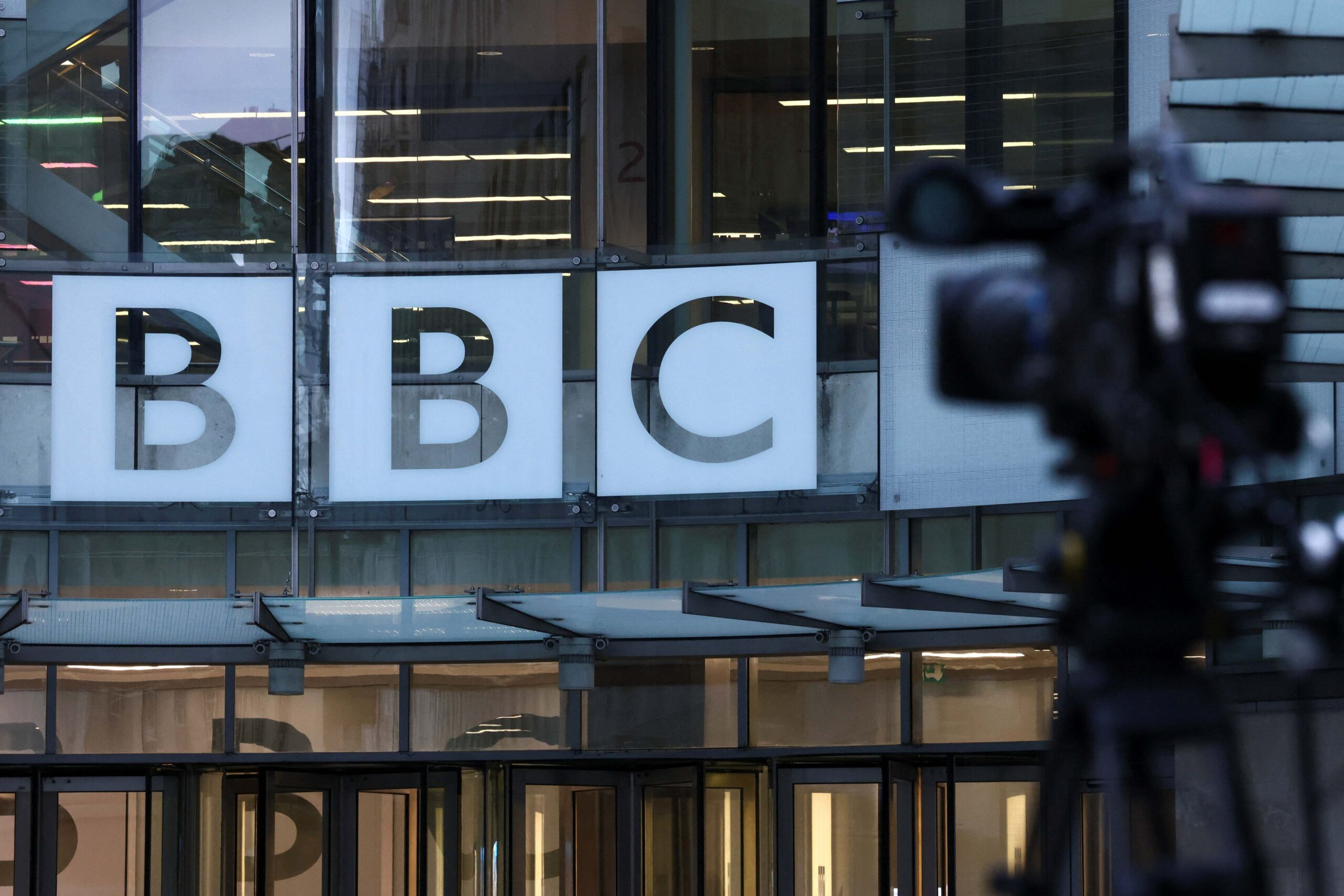
Davy, who has been in the position for the past five years, has been under increasing pressure due to a series of crises and accusations of bias at the public broadcaster. The Telegraph newspaper has published an internal BBC memo, according to which the show spliced together two different excerpts of Trump’s speech from January 6, 2021, in a way that made him appear to directly encourage the storming of the Capitol.
Davy’s departure comes after a difficult year in which the BBC has been criticized for comments by former presenter Gary Lineker, the live broadcast of a performance by rap punk duo Bob Whaylan at the Glastonbury festival and criticism of a documentary about Gaza.
The House of Commons Culture, Media and Sport Select Committee had set a deadline on Monday for the BBC to respond to allegations by Michael Prescott, a former independent external adviser to the editorial guidelines and standards committee. He resigned from that position in the summer.
The departures of Davy and Turnes appear to be an attempt to protect the BBC from further attack following Prescott’s criticisms, which he made in a letter to the BBC’s board.
The revelations sparked strong reactions in the UK and the US, with the White House calling the BBC “100% fake news”.
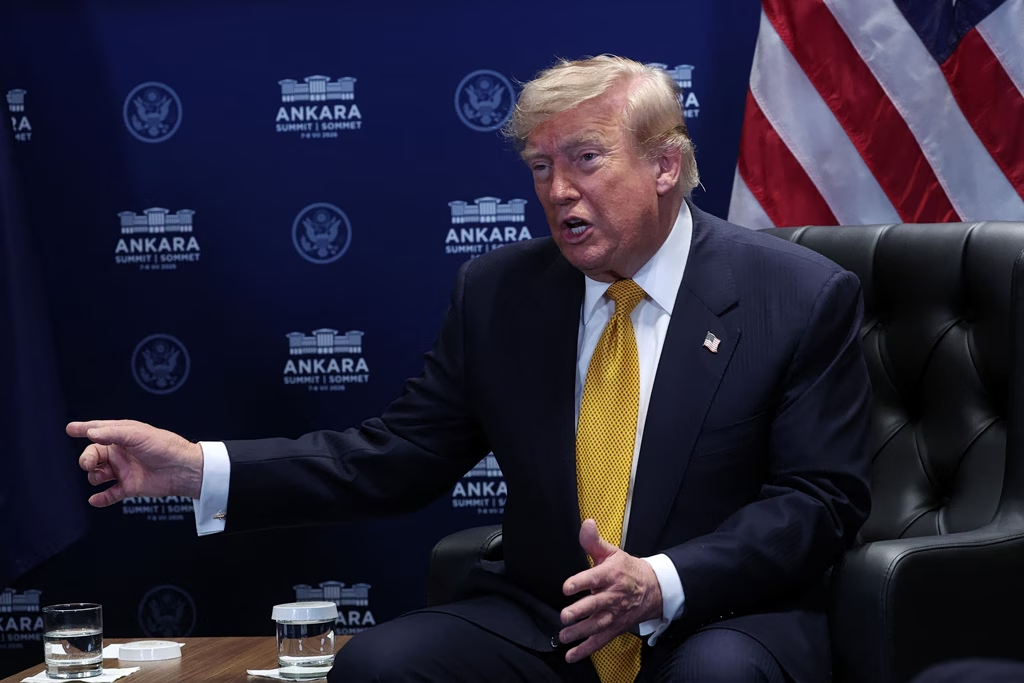
Trump, in a post, claimed that the resignations came because they were “caught distorting” his speech, calling it a “huge insult to democracy”.
Announcing his departure, Davy admitted that while the BBC “remains a model of quality journalism,” there had been “mistakes for which it must take ultimate responsibility.” For her part, Ternes said the Panorama issue “has reached a point where it is damaging the BBC” and that “the responsibility lies with me.”
The leaked memo also cited “systemic problems of bias” in issues such as coverage of the war in Gaza and reporting on issues of gender and identity.
The resignations are considered unprecedented, as they are the first time that the BBC’s director general and head of news have left at the same time. The chairman of the organization, Samir Shah, said it was “a sad day for the BBC,” expressing support for the two outgoing officials.
The government and opposition parties have called for “restructuring and transparency” at the public broadcaster, while several politicians have said the resignations could pave the way for deep reforms at the BBC.
Davey, who previously worked at Pepsi and Procter & Gamble, took over as director general in 2020, while Ternes had previously headed ITN and NBC News International.
An excerpt of the episode published by the Daily Telegraph showed different parts of the speech merged into one sentence, showing Trump saying:
“We will march to the Capitol and I will be with you. And we will fight. We will fight hard.”
In fact, according to the minutes of the speech, Trump had said:
“We will march to the Capitol to support our brave congressmen and senators… We will peacefully and patriotically protest to make our voices heard.”
The phrase “fight like hell” was uttered almost an hour later, without any connection to the Capitol.
Resignations and Statements
In a letter to staff, Davy said his departure was “solely my decision”.
“The BBC as a whole is performing well, but mistakes have been made and as director general I must take ultimate responsibility,” he wrote. He added that he would work with the board to ensure a “smooth transition” to a new leader in the coming months.
Turnes said the Trump documentary “has reached a point where it is damaging the BBC, an institution I deeply love.”
“As head of news, the responsibility rests with me,” she said, but she also said recent accusations of “institutional bias” at the BBC were “wrong.”
Reactions and political implications
Trump, through the Truth Social platform, thanked the Daily Telegraph “for exposing these corrupt journalists”, describing the BBC as “very dishonest” and saying that “they tried to distort the outcome of a presidential election”.
White House spokeswoman Caroline Levitt posted two articles on X with the comments “shot” and “chaser”, ironically commenting on the resignations.
Pressure on the organization’s top executives had increased after the publication of parts of an internal report by consultant Michael Prescott, who had highlighted problems with issues of impartiality, gender issues and BBC Arabic’s coverage of the war in Gaza.
Trump’s threats of legal action
Meanwhile, BBC News said today that the broadcaster had received a letter from US President Donald Trump threatening legal action over the editing of a documentary broadcast a week before the US presidential election.
“We will review the letter and respond directly in due course,” a BBC spokesman said in an email to Reuters.
Samir Shah told BBC News that the group was “considering” how to respond to Trump’s letter.
When asked whether Trump would sue the BBC, Shah said: “I don’t know yet, but he’s a litigious person, so we have to be prepared for any eventuality.”
The White House did not immediately respond to a request for comment.

