



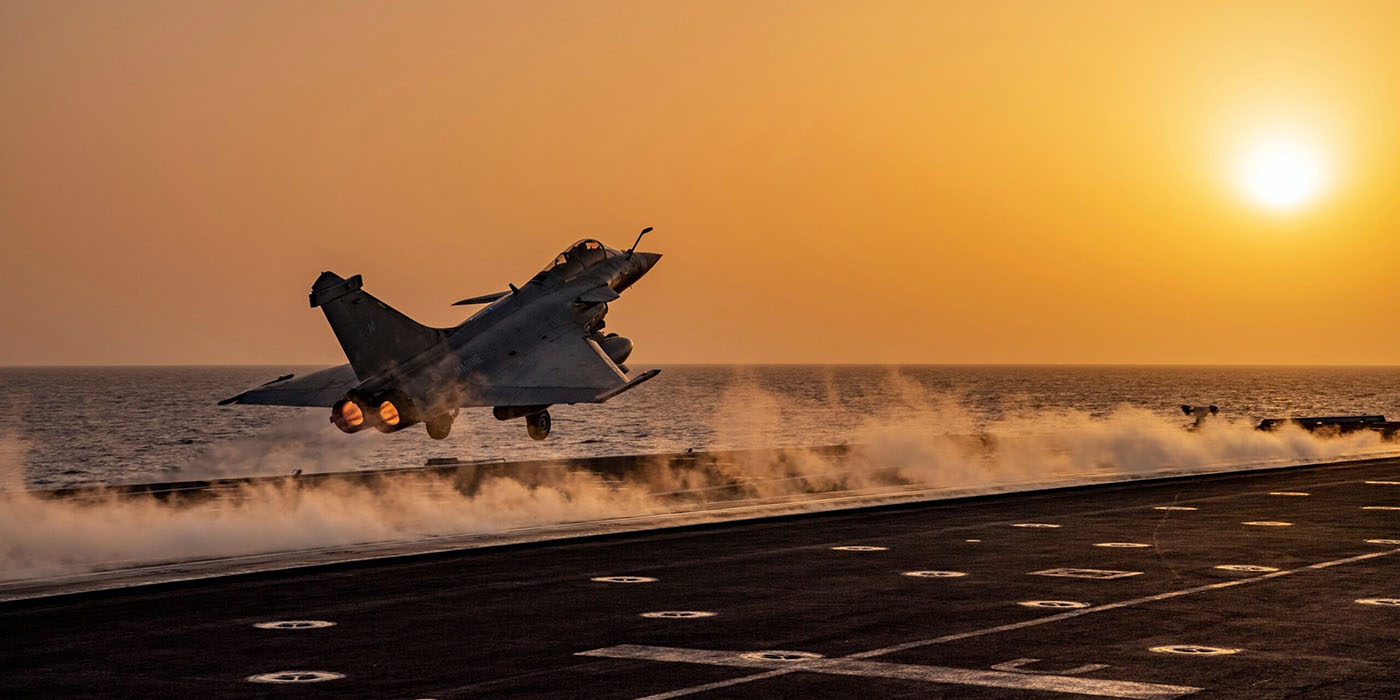
France has refused to provide India with the source codes requested by India for the integration of indigenously designed weapons into its Rafale fighter jets. Dassault Aviation has not backed down, despite India’s insistence. India wants to integrate indigenous missiles, bombs and avionics into its Rafales, in line with its goal of reducing its dependence on imported weapons systems. However, the source codes required to achieve this integration were not available to India. Dassault Aviation has categorically refused to share with India the source codes that control the aircraft’s systems. The French side has argued that the source codes are classified, for reasons of national security, but also for strategic reasons.
We recall that India maintains 36 Rafale in service, while a new contract, worth €6.9 billion, was recently signed for the supply of 26 Rafale-M. Deliveries of these aircraft are expected to begin in 2028 and be completed in 2030. The aircraft are intended for use on the Indian aircraft carriers INS “Vikrant” and INS “Vikramaditya” and will replace the Russian-made MiG-29Ks of the Indian Navy. Dassault Aviation is providing India with support for the integration of indigenous weapons into the Rafale, but it stubbornly refuses to provide the source codes. The French refusal was justified by the argument that these codes are the result of decades of studies, research and development and that their concession to third parties could jeopardize the performance and safety of the French aircraft. In addition, France has expressed concern that the source codes could fall into hostile hands.

