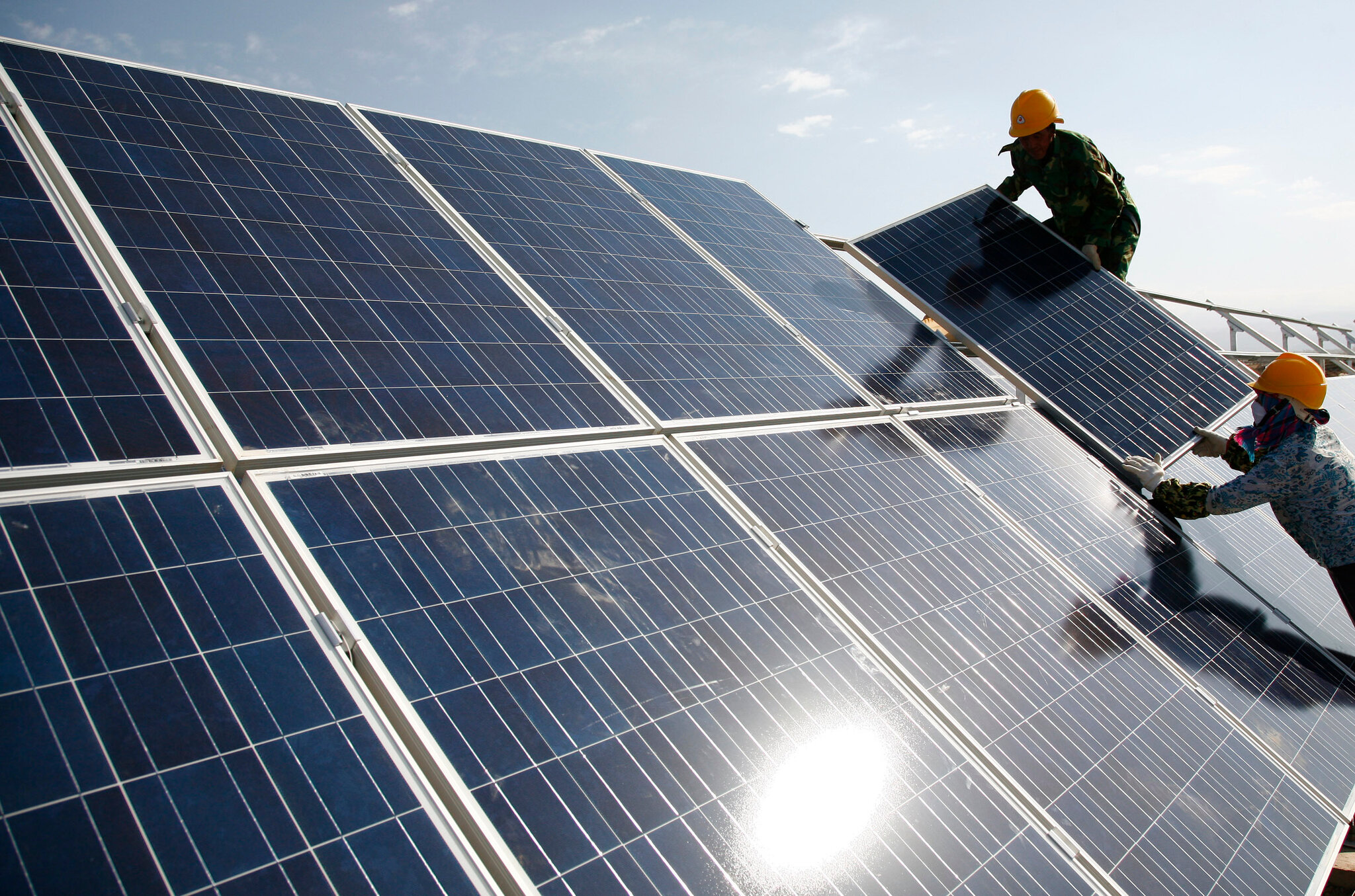
A disturbing discovery has reignited fears about the energy security of the United States: undeclared communication devices have been found hidden inside Chinese-made photovoltaic panels and energy equipment.
These “rogue” devices, as described by US government sources, have been discovered over the past nine months in inverters, batteries, electric vehicle chargers and heat pumps produced by Chinese suppliers.
Security experts are sounding the alarm: these components could, if misused, cause massive power outages and even destroy critical infrastructure in the national electricity grid.
Sabotage scenarios through “green” technology
The power converters, necessary to connect photovoltaic and wind turbines to the grid, are manufactured almost exclusively in China. This fact, according to former NSA officials, makes the United States particularly vulnerable.
The widespread use of Chinese converters limits the West’s options for managing the security problem. Invisible devices – including cellular receivers – can, according to experts, bypass the firewalls of systems, allowing remote interventions in the settings or even complete deactivation of the equipment. This is equivalent to a built-in mechanism for the physical destruction of the network.
Businesses under “Chinese supervision”?
The finding reinforces long-standing warnings from experts who have long warned of the dangers of relying on cheap “green” products made in China—a country where the state and corporations are said to be working in close cooperation for geopolitical purposes.
In December 2023, Republican politicians—including former Rep. Mike Gallagher and then-Sen. Marco Rubio—called on Duke Energy to remove Chinese-made batteries installed at Camp Lejeune military base in North Carolina.
Amidst digital infiltration, surveillance continues
The US Department of Energy confirmed that it is constantly assessing the risks posed by new technologies. While some of the features of the devices in question may not have “malicious intent,” the department stresses the need for full transparency about the capabilities of imported products.
To address such threats, the DOE is investing in building domestic supply chains and developing tools such as the “Software Bill of Materials,” which lists all individual software components—a kind of “digital X-ray.”
Denial and diplomacy
The Chinese embassy in Washington has categorically rejected the accusations, calling them politically motivated attacks. “We oppose the excessive use of the term national security to distort and slander China’s technological achievements in the infrastructure sector,” it said in a statement.
Scenario or reality?
As the US integrates more and more “green” technology into its energy grid, fears of digital intrusion, sabotage or even underwater control through seemingly innocent components are intensifying. The continued technological dependence on China looks – to some – not just like a commercial risk, but like a game of geopolitical chess, in which some “pawns” may already be placed on the grid chessboard.