



The inclusion of the leading cryptocurrency is a priority for the Trump administration as, through the creation of a reserve in the leading cryptocurrency, it wants to mitigate the strength of the dollar that is causing problems in the US trade balance, without at the same time losing its global reserve status.
At the same time, the rise in the price of bitcoin would generate profits that would reduce the cost of servicing the monstrous US profit that has exceeded 36 trillion dollars. The US could cash in its gold reserves to finance the creation of a strategic reserve in the leading cryptocurrency, the Strategic Bitcoin Reserve (SBR).
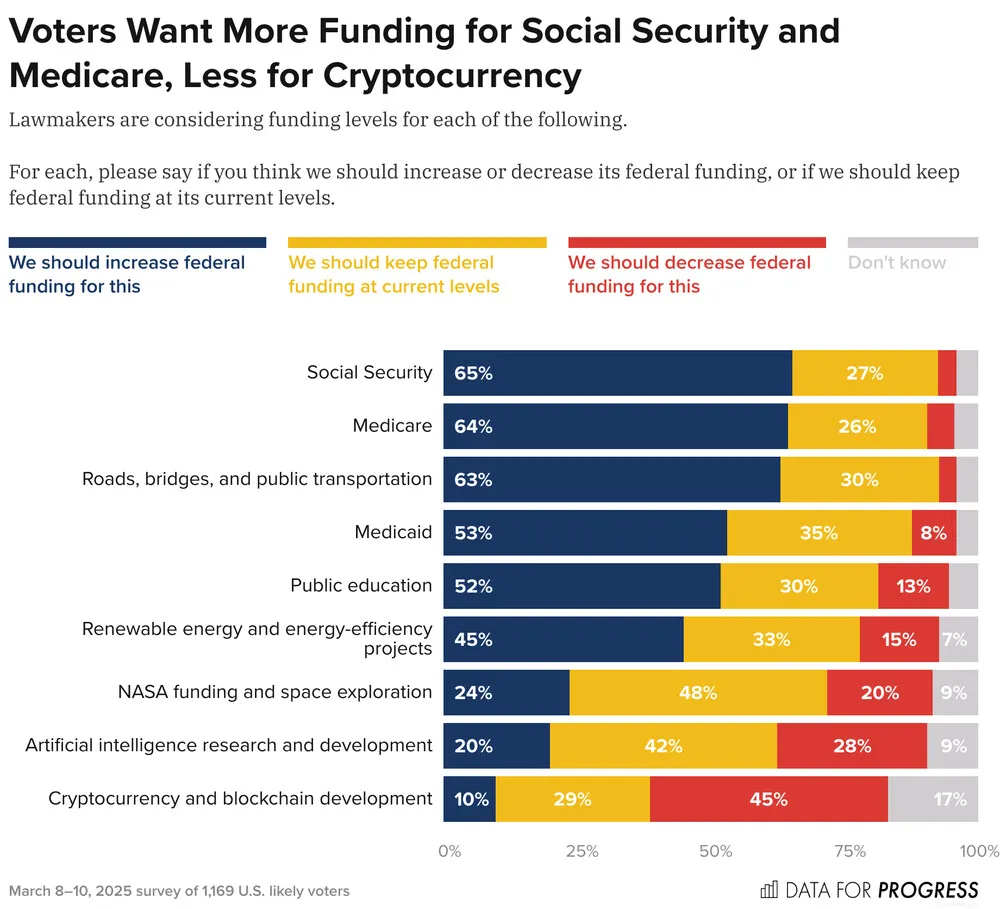
The Trump administration could explore creative ways to finance the SBR without further burdening the American taxpayer. It should aim to calm the concerns of Americans, many of whom, according to a recent survey, oppose the creation of the SBR. The poll by the advocacy group Data for Progress showed that 51% of American voters disapprove of the idea, placing it last on the list of priority areas for federal funding.
Fiscally neutral creation of the reserve
The funding solution for this specific purpose that will be selected should be fiscally neutral. In this federal budget account, the US could use the profits from the gold certificates it holds as a custodian to acquire a larger quantity of Bitcoin. Gold certificates are very undervalued compared to the actual price of gold.
Therefore, restoring their correct valuation, as proposed by Senator Cynthia Lummins’ Bitcoin 2025 Act, would give America the liquidity it needs to create the reserve in BTC.
How does the repricing of gold certificates work?
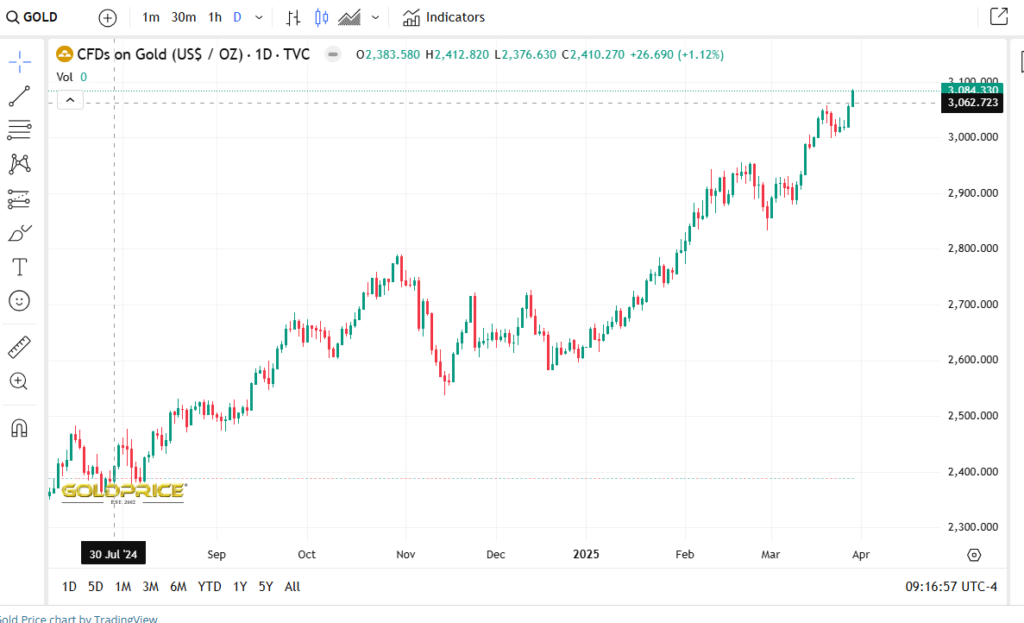
According to the Federal Reserve Bank of St. Louis, Fed banks that hold gold certificates value them at $42.22 per ounce. This number is small compared to the $3,037 the precious metal is currently trading at in the market (March 24). The U.S. holds about 8,133 metric tons of gold, which amounts to 260.8 million ounces (using the formula: 1 metric ton = 32,150.7 ounces).
The current price of gold gives a market value of about $792 billion ($3,037 x $260.8 million). Meanwhile, the book value is slightly over $11 billion ($42.22 x $260.8 million), bringing the potential profit to over $780 billion ($792 billion – $11 billion).
As we can see, repricing the value of these certificates to reflect prevailing gold prices could “unlock” a lot of idle capital. Such a windfall would provide the US with enough liquidity to create the SBR without using taxpayer funds.
While the economic advantages are clear, questions remain about the scalability of revalued gold certificates. Such a shift could provoke opposition from the US Federal Reserve and the Treasury itself, as it could affect monetary policy and inflation expectations.
Legal complications
Furthermore, changing the valuation of gold reserves could create legal and accounting complications that require congressional approval. Critics argue that revaluing gold does not create new wealth but simply changes accounting records, making it a politically sensitive issue.
Revaluing the value of gold certificates is a strong possibility, but other approaches that do not have fiscal implications are worth considering. The US could, for example, consider issuing Bitcoin-backed bonds, like El Salvador, or using some of the assets seized from criminal crypto activities to fund the reserve.
Other experts have suggested consolidating parts of federal assets and allowing private investors to contribute to the SBR through decentralized finance (DeFi) methods linked to blockchain technology.
BTC Transfer Worth $8 Million
Meanwhile, the U.S. government moved some of its Bitcoin (BTC) holdings to a new wallet. The movement of funds is standard procedure for some assets, but this time, the transaction has drawn more attention. The transaction originated with a smaller government wallet.
The address is noted as containing the seized funds from the Sae-Heng case. This is one of the most significant transfers of funds, as the government moved 298.93 AVAX linked to the Brian Krewson case to a new address. Arkham, the on-chain wallet monitoring service, tracked the transaction for 93.96 BTC, worth about $8 million. Additionally, 884.33 ETH worth $1.77 million was transferred to a new address.

The original wallet spent $10 million in BTC and then sent the unspent funds to a new address. $8 million is a relatively small amount for the US government, but these moves are related to the creation of digital currency reserves. The US government’s main wallet still holds over $17 billion in crypto assets, with 198k BTC as the bulk of the reserves.
The funds were seized from “pig slaughter” scams
The Sae-Heng wallet refers to funds seized in an alleged “pig slaughter” scam that took place in the US. So-called “pig slaughter scams” involve scammers who gain the trust of victims, often through a fictitious romantic relationship, and trick them into investing in fake cryptocurrency projects.
These typically begin with a victim meeting someone on an online dating site. The funds were seized from a Binance account belonging to Wanpadet Sae-Heng. The BTC was seized by the US government two years ago when Binance sent a direct transaction to the storage wallet. All of the seized BTC was moved to a new address in 2022.
In total, the seized funds from the Sae-Heng case included 97.33 BTC, 2.56 million DOGE, 884.33 ETH, and 85 million ADA. In the case of personal fraud, the seized funds can be returned to the previous owners, rather than being used for a government reserve.
Legislative approval
The Bitcoin Strategic Reserve Act is still in the early stages of approval, but there are expectations that the bill could be passed during the current term of the US Congress. If approved, the main source of digital currencies for the reserve would come from seizures.
On March 7, US President Donald Trump signed an executive order to create a crypto reserve, which was intended to use BTC already held by the US government’s wallet. The US government’s crypto reserves will be audited to determine the exact reserves available.
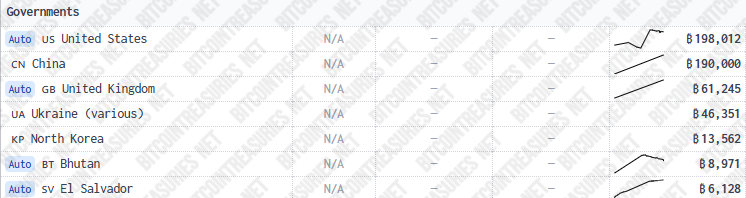
The US government has topped the list of largest government BTC holders, surpassing China’s holdings.
The key takeaway is that the US government has now signaled that it will not be selling its BTC holdings. It is the largest government BTC holder, with China in second place, holding around 190k BTC. The US is not actively accumulating BTC, but has decided not to proceed with any liquidations, despite plans to divest BTC around 2023. Since then, the government’s holdings have appreciated significantly.


