



In a move that underscores growing concerns about the stability of global financial systems, a significant 400 metric tons of physical gold have been moved from London to the New York Mercantile Exchange (COMEX).
The unprecedented move, which has increased gold holdings on the COMEX market by 75%, has sparked speculation about the future of gold markets and the broader implications for currency risks, financial stability and global economic policies.
The move highlights the changing dynamics in how countries and institutions perceive and manage their financial assets in an era of rising debt and economic uncertainty.
The recent move of gold from London to COMEX warehouses has highlighted the vulnerabilities of the global gold market.
For years, COMEX operated a system where gold futures were primarily rolled over and not physically delivered.
This practice allowed the exchange to allow leveraged short positions in gold that were largely based on paper contracts rather than physical holdings.
However, the increase in physical delivery requests has disrupted this balance, raising concerns about COMEX’s ability to meet physical demand. This shift is not isolated, but part of a broader trend where global players, including central banks and governments, are increasingly favoring physical gold over digital or fiat-denominated assets.
COMEX’s ability to maintain its short positions is now in question, with the influx of physical gold potentially altering gold pricing dynamics and market stability.
The Role of Regulatory Changes
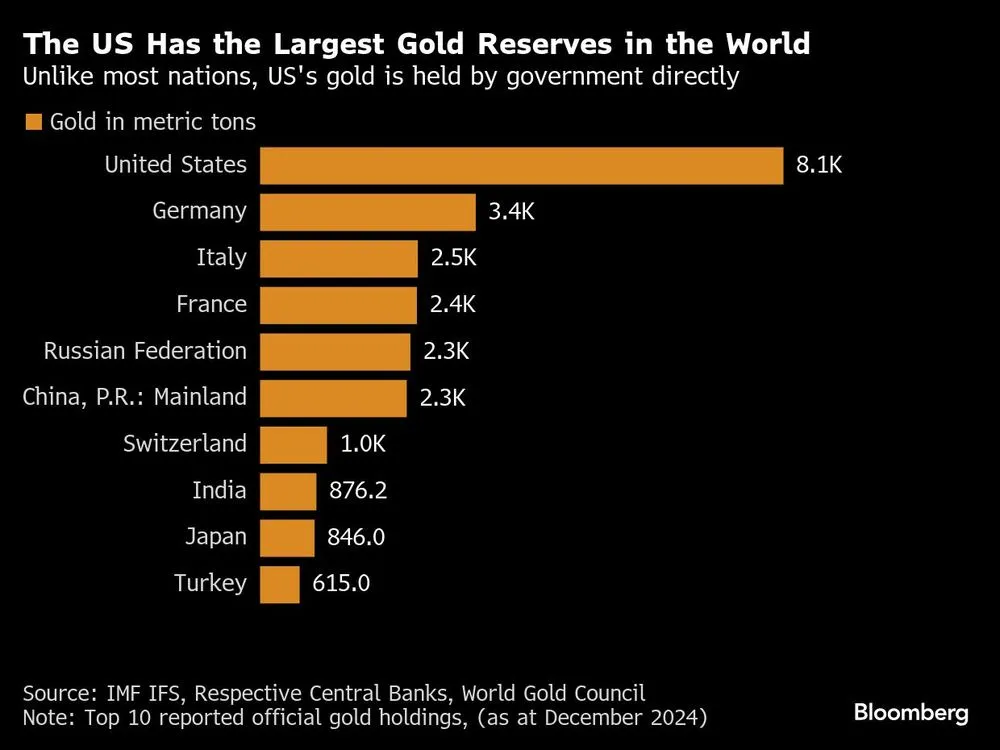
The impetus for this gold transfer can be traced to the regulatory changes introduced by Basel III, which require banks to hold more physical gold as collateral.
This has exposed the fragility of the COMEX gold futures market, which has long relied on the absence of physical delivery.
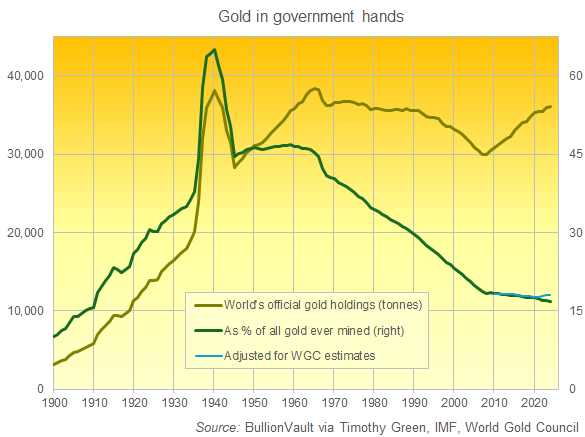
The transfer highlights the growing recognition of gold’s role as a safe haven in times of economic uncertainty, a sentiment that echoes historical precedents such as France’s gold repatriation in 1971 and Germany’s gold repatriation in 2016.
These historical moves reflect a recurring pattern of states and institutions turning to gold during periods of economic instability.
The current shift towards physical gold reserves suggests a similar response to current global economic challenges, particularly escalating levels of public debt and the erosion of confidence in fiat currencies (issued by central banks).
Gold as a guarantor of economic stability
The move of gold from London to COMEX signals a broader transformation in the global financial landscape.
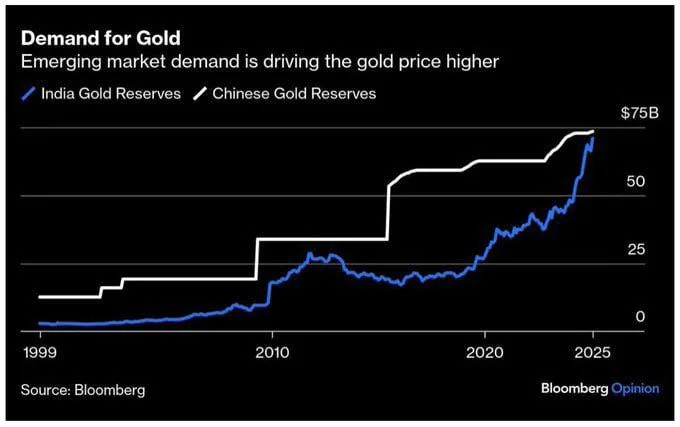
As nations and institutions seek to diversify away from fiat currencies and reduce reliance on the US dollar, gold is emerging as a critical asset.
The move underscores the growing preference for physical gold as a hedge against currency risks and inflation, a trend that is likely to accelerate given the current economic uncertainty.
This preference for gold is not simply speculative, but is rooted in its historical role as a stabilizing store of value in times of crisis. Unlike fiat currencies, which are plagued by inflation and geopolitical manipulation, gold’s intrinsic value remains stable, making it a reliable store of wealth.
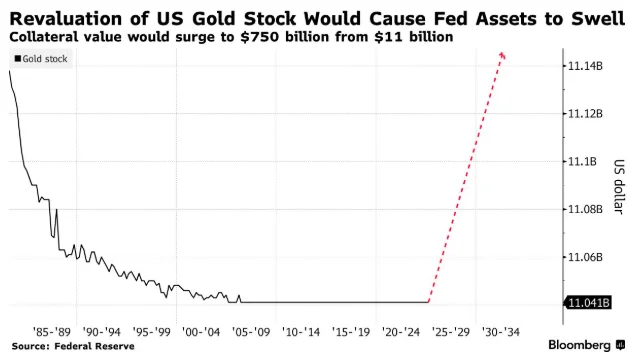
The recent transfer of 400 metric tons of gold from London to COMEX warehouses marks a pivotal moment in the evolving dynamics of global financial markets.
It marks a significant shift in the way gold is perceived and managed, reflecting broader concerns about currency stability and the global debt crisis.
As nations and international institutions increasingly turn to physical gold as a hedge against financial instability, gold’s future as a cornerstone of financial security is becoming increasingly clear.


