
The decision of the US, Britain and France – in a second round – to approve the Ukrainian request for strikes with medium and long-range weapons inside Russian territory is certainly changing the data both on the battlefields and in diplomacy.
Volodymyr Zelensky has been pushing for this possibility for more than a year, always using the same argument: “if we strike Russian positions in depth, we will give our ground forces a field of action in the fields inside Ukraine”.
Today, with the weapons that Ukraine can fight, the maximum range at which targets can be hit is 77 kilometers. Based on the ATACMS that the Ukrainians have at their disposal, this range is almost quadrupled. The targets are immediately becoming much closer and more substantial for the Kiev army and Russia is facing a truly “big” headache, as for almost three years only Ukrainian drones have been able to hit key Russian positions in the west of the country.
Ukraine is now essentially forced to use all of the medium and long-range missiles it has in its possession, targeting Russian infrastructure and positions, which are undoubtedly crucial for the development of the fighting.
This map shows the possible targets that the Ukrainian army may or has already targeted, since the Oval Office gave the green light.

Volodymyr Zelensky, as things have come, essentially has only the path of a massive counterattack, at least for as long as there is left until Donald Trump’s inauguration on January 20. Olaf Scholz’s phone call at the end of last week is yet another reason to show Kiev that the only way to change the situation is to attack. Germany’s move, which was interpreted by Zelensky as “opening Pandora’s box,” may have been the move that the White House, and specifically Joe Biden, needed to give its consent to something that will undoubtedly once again sharply increase the war tension in the region.
However, the real reason for Biden seems not to have been Germany’s position, but North Korea’s active participation in the fields. The more than 30,000 North Koreans fighting alongside the Russians in the Kursk region are not a simple reinforcement move but a regular third-country involvement in the war. Putin, who has been threatening the West with nuclear holocaust for months if Western soldiers side with the Ukrainians against Russian weapons, seems to finally be receiving in response something that although he feared – he basically hoped would not happen.
The exact number of Western ATACMS that the Ukrainians have in their arsenal remains unknown, but what seems likely is that a large part of these weapons will soon – and without warning, as the country’s president said early today – target the Kursk region. It is this small part of Russia’s western province that the Ukrainians have controlled since last summer that is the biggest problem for the Russian president, but also the most important, so far it seems, bargaining chip even for the next US president.
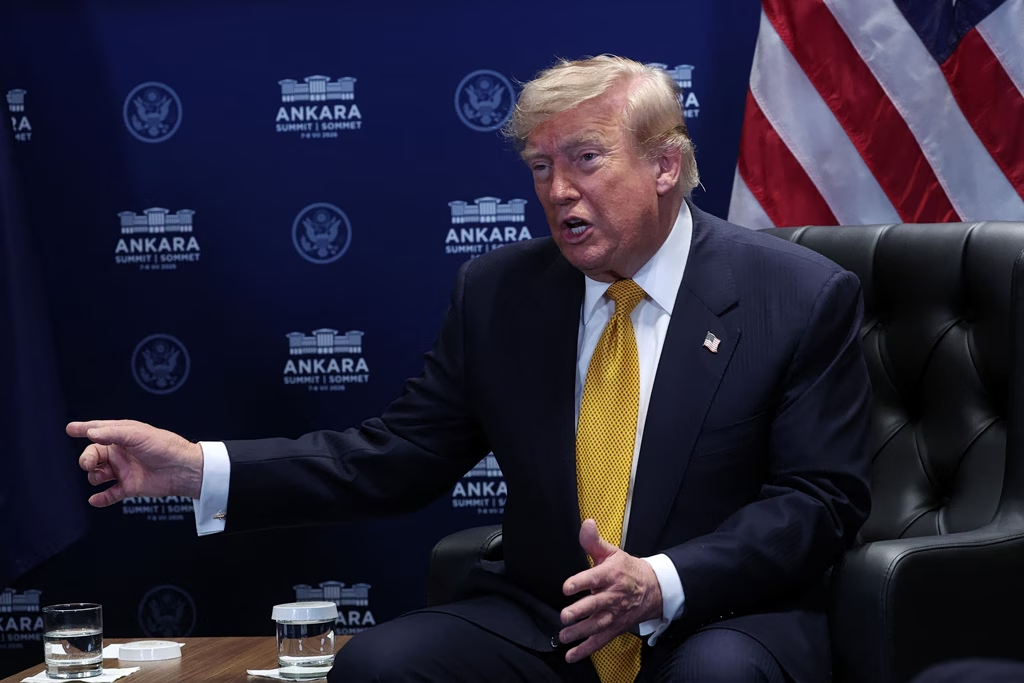
Donald Trump’s staff, several hours after the leaks from the White House and the official approval of the permit to Kiev, has not commented at all. It may still be early or it may be that Donald Trump and Joe Biden discussed this specific issue behind closed doors on November 13, when they met at the White House. Given that Joe Biden wants to give Zelensky and Ukraine as much as possible two months before he leaves the Oval Office, and this is either done with Donald Trump’s knowledge, in which case it is an element for the next steps of the US in Ukraine, or not – and it will make it even more difficult to implement the commitment that “the war will be over in 24 hours”, when he takes office.
Whichever scenario is the case, the US has made a move that will ultimately make the Russians’ task much more difficult and will deprive them of the opportunity to advance en masse to the positions they have controlled for two years. Today’s Russian strike in Odessa is the message from Moscow, which will also sharply increase its aggression. In any case, the next 60 days will again be days of death for both Ukrainians and Russians.