
On April 23, 2024, the article titled: “The illusion of conventional war: Europe is learning the wrong lessons from the conflict in Ukraine” was published on the “Modern War Institute” website of West Point. The author of the article is Sandor Fabian, who is a former lieutenant colonel of the Hungarian Special Forces with twenty years of military experience. He is also the author of the book “Irregular Warfare: The Future Military Strategy for Small States“. The presented abstracts are from the editorial team of The Liberal Globe.
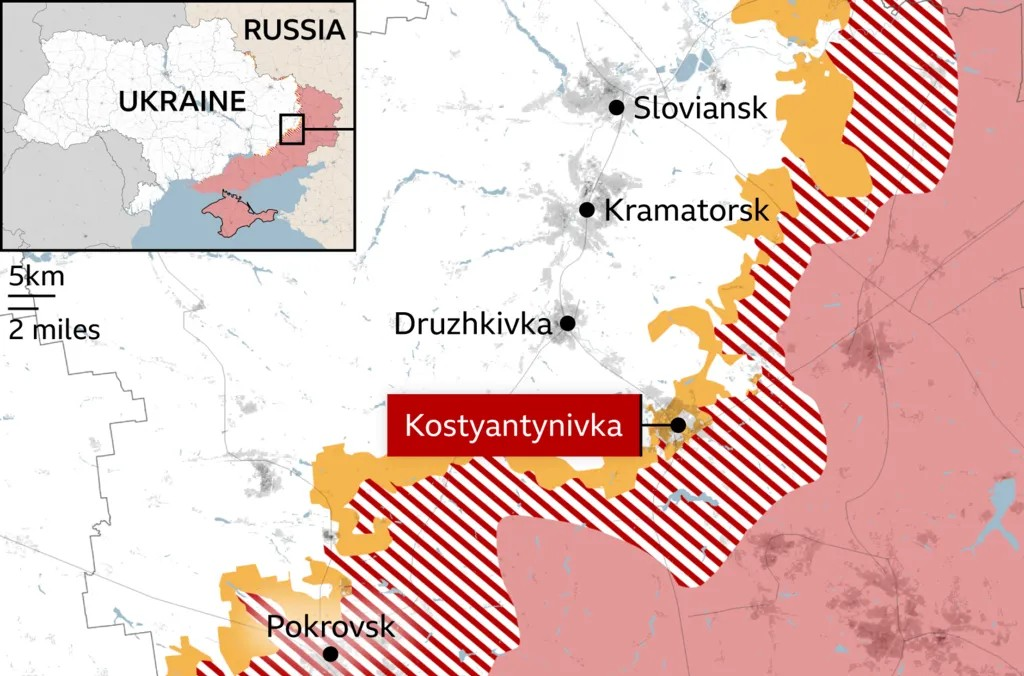
The war in Ukraine is a very unique case, which does not allow for the extraction of substantial lessons, due to the Western understanding of war, which is based on the ideas of Clausewitz and not on the doctrine of Shu Jun’s “Art of War”. As a result, misunderstandings of the specific war have been created, leading to meaningless changes in the national defense strategies of many European countries, in military doctrine, command and armed forces structures, training, weapons systems and equipment.
While many European countries have responded to the Russian invasion by increasing defense spending and purchasing new weapons, they have nevertheless used this spending on the wrong solutions to the security challenge they face. This war confirmed that apart from a small number of major European countries such as Poland, Germany, France and Great Britain, it does not make sense for most European countries to invest in and maintain conventional military forces.
Contrary to the argument of many experts, the war in Ukraine is proof of the limited usefulness of the Western way of war for most European countries.
There were obvious reasons why many European countries should not invest in Western-style conventional defense frameworks. Among these reasons are:
- their proximity to Russia,
- their relatively small population,
- the lack of physical obstacles in their territory,
- the little to no strategic depth, which would allow the development of a multi-layered conventional defense,
- the lack of combined arms maneuver culture,
- the limited production capacity of their domestic defense industry and
- their small and poorly equipped army.
But the war in Ukraine makes it clear that these countries will need to develop formation-oriented defenses tailored to the unique historical, cultural, geographic, and other characteristics of their operational environment.
This defense should be streamlined, for budget and manpower reasons, and sustainable with or without the conventional force of any ally or partner. While the conflict in Ukraine is indeed very unique, and we must be careful when trying to apply its lessons elsewhere, there are several observations that deserve careful consideration from other European countries.
Note 1: Never present your opponent with a type of warfare for which he is organized, trained and equipped
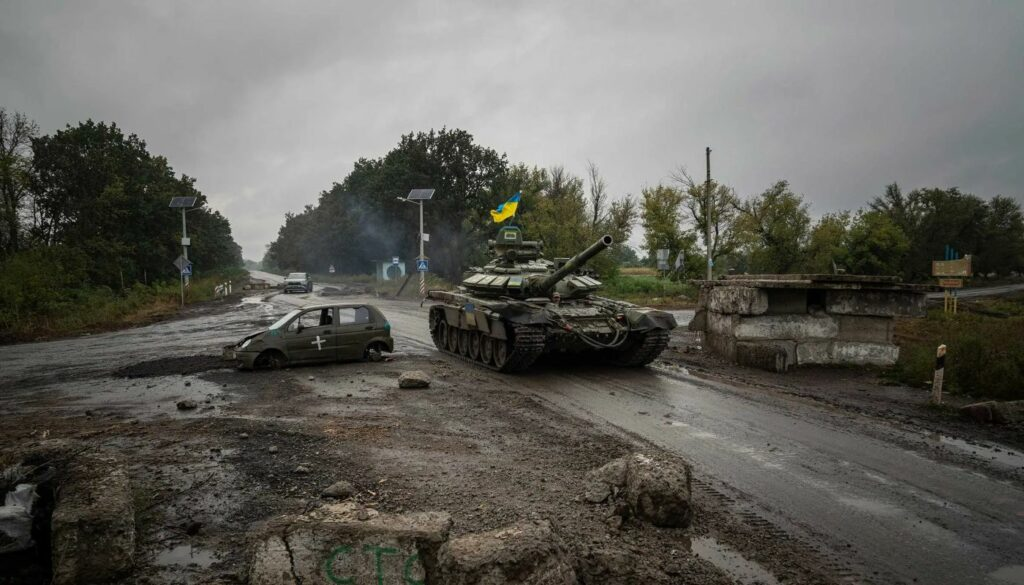
Like the conflicts of the past two decades in Iraq and Afghanistan, the war in Ukraine has demonstrated that an underdog can only succeed if it avoids fighting on its conventionally superior enemy’s terms. David cannot defeat Goliath by trying to become a small and poor version of Goliath, but by becoming a better and stronger David.
At the start of the invasion Ukraine avoided fighting the Russians on their own terms. But once Ukraine changed strategy, to a more conventional approach, such as its long-awaited counter-offensive in 2023, the war became a war of attrition, in which the underdog always comes out on top. The underdog, as most European countries would be in a war with Russia, can only hope to succeed if its war strategy focuses on creating multiple dilemmas and the greatest possible asymmetry between the stronger and weaker sides. European countries following the war in Ukraine should understand this lesson and design national defense approaches that avoid at all costs fighting on conventional terms and are designed to ensure asymmetry with respect to conventional formations.
Note 2: Like it or not, war is fought in cities and between people
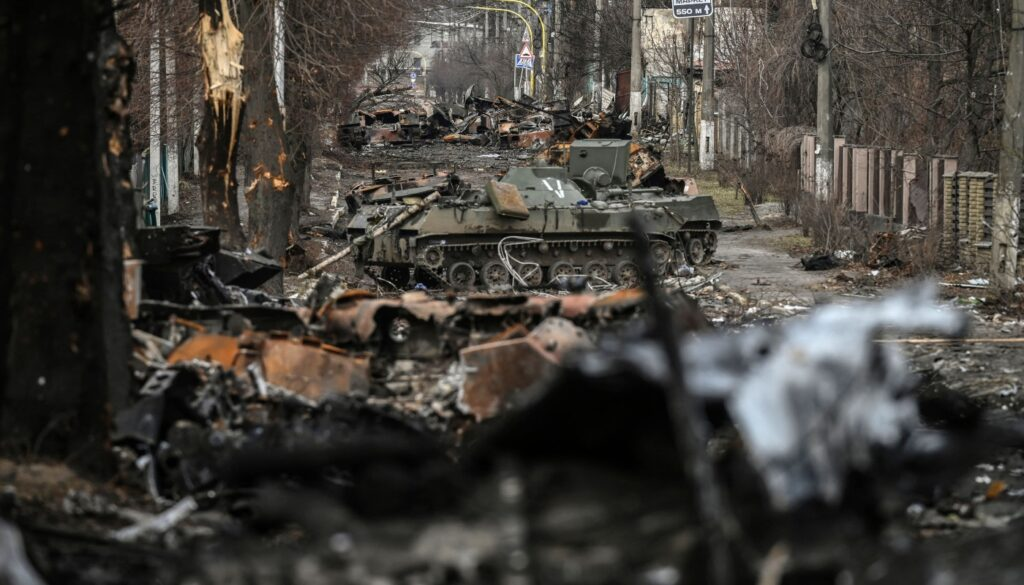
The war in Ukraine demonstrates a decades-long trend that modern conflicts are not fought on remote battlefields far from civilian populations. The idea of separating and protecting the civilian population and protecting urban areas from the horrors of war has become an illusion. European countries should understand, accept and even embrace the importance of urban areas in national defense.
Through proper preparation and infrastructure of urban areas, the adversary’s conventional intelligence gathering and targeting capability can be significantly degraded or even eliminated. European countries should strengthen existing defense infrastructure and build new ones to limit the enemy’s offensive maneuver capabilities with conventional formations. Advance preparation should allow urban areas, in the event of a conflict, to be transformed into fortresses, with underground avenues of approach to potential targets, predetermined escape routes, predetermined weapons caches, camouflaged hospitals, rapid mine-laying plans and decoy positions aimed at misleading the enemy.
Note 3: Strategic depth is a critical survival factor
Most European countries completely lack strategic depth, both in a physical and social sense. The only way to overcome such disadvantages is through stronger cooperation with allies and partners. European countries need bilateral or multilateral defense agreements, which go beyond the scope of existing ones, which would probably even require commitments that infringe on national sovereignty. The defense industry, equipment depots, training centers, population protection facilities, etc. they should be established and maintained in the territory of foreign countries, away from enemy blows.
This ensures the long-term viability of critical functions and prevents their potential capture and exploitation by an attacker. The lack of natural strategic depth is a function of small territorial size and small population. Both realities create problems when they collide. To overcome manpower shortages and speed up the integration of foreign nationals into the Armed Forces, European countries should create the legal framework that will allow soldiers, civilians and private citizens of other countries to serve in the Armed Forces.
Note 4: Friends are important in war, but they can become detrimental to the success of defensive efforts.
Ukraine has arguably fought the kind of war it is waging because of the advice and the kind of equipment it receives from its Western allies and partners. In addition to the production capacity of the Western defense industry and the Western political will being necessary conditions for Ukraine to be able to fight, the Western way of war has become equally necessary. Simple logic dictates that if the Ukrainian leadership received advice from sources with a different military culture and equipment suitable for a different type of warfare, then Ukraine’s strategic approach would also be different (as it was in the early stages of the war).
Russia’s experience in Chechnya and the West’s wars in Iraq and Afghanistan could suggest a different approach to how to effectively deal with a numerically and technologically superior conventional enemy, rather than fighting a type of war for which it is organized, trained and equipped. European countries need friends, but the level and type of dependence on them should be carefully considered. Building interoperability with allies and partners is a good idea to fight alongside each other, but blindly following international standards developed by more advanced states can kill the adaptability of those with limited resources.
Note 5: Exercises should be platforms for losing and learning rather than always winning.
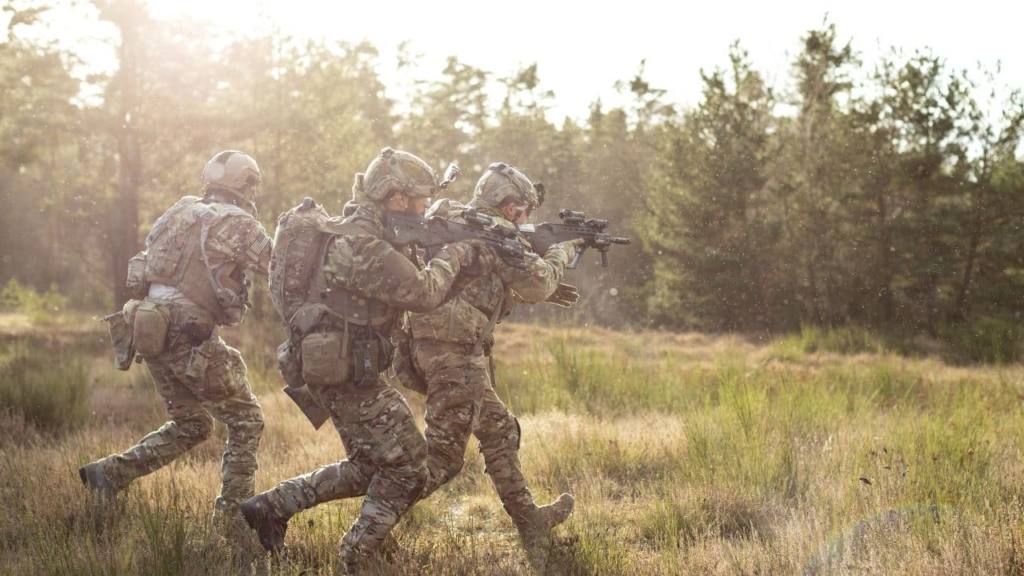
Exercises should focus more on finding capability gaps and experimenting with new solutions. Realistic scenarios must be more than a slogan with empty words. This must become a reality by including all sectors of society in national defense exercises. The war in Ukraine further demonstrated that national security is no longer the exclusive function of the government, let alone the defense forces. The complexity of the modern battlefield and the distribution of capabilities and capabilities among different stakeholders make it necessary to integrate the whole of society into national defense plans. The exercises provide the perfect platform to experiment with the utility and integration of different segments of society and to identify necessary legislative changes that lead to more effective national defense efforts.
Note 6: Knowing your enemy is an invaluable power multiplier
Ukraine’s long historical and cultural ties to Russia, the similarities between the Russian and Ukrainian languages, the fact that many senior Ukrainian military leaders served in the Soviet forces, the fact that the Soviet Union, and later Russia, were for many years Ukraine’s main suppliers of military hardware, training and education provided Ukrainians with an unparalleled understanding of Russian military tactics, techniques and procedures.
After the end of the Cold War, European countries (such as the US) systematically got rid of their Russian experts, eliminated all vestiges of Soviet doctrine from their military schools, and largely stopped learning the Russian language. The war in Ukraine should motivate European countries to bring back Russian cultural and linguistic studies in their educational institutions. In addition, particular attention should be paid to Russian force designs, command and control practices, tactics, techniques and procedures, as well as the capabilities of their weapons systems. This knowledge should serve as a foundation for the future military training of European military personnel.
Note 7: Forget armored and other traditional military platforms
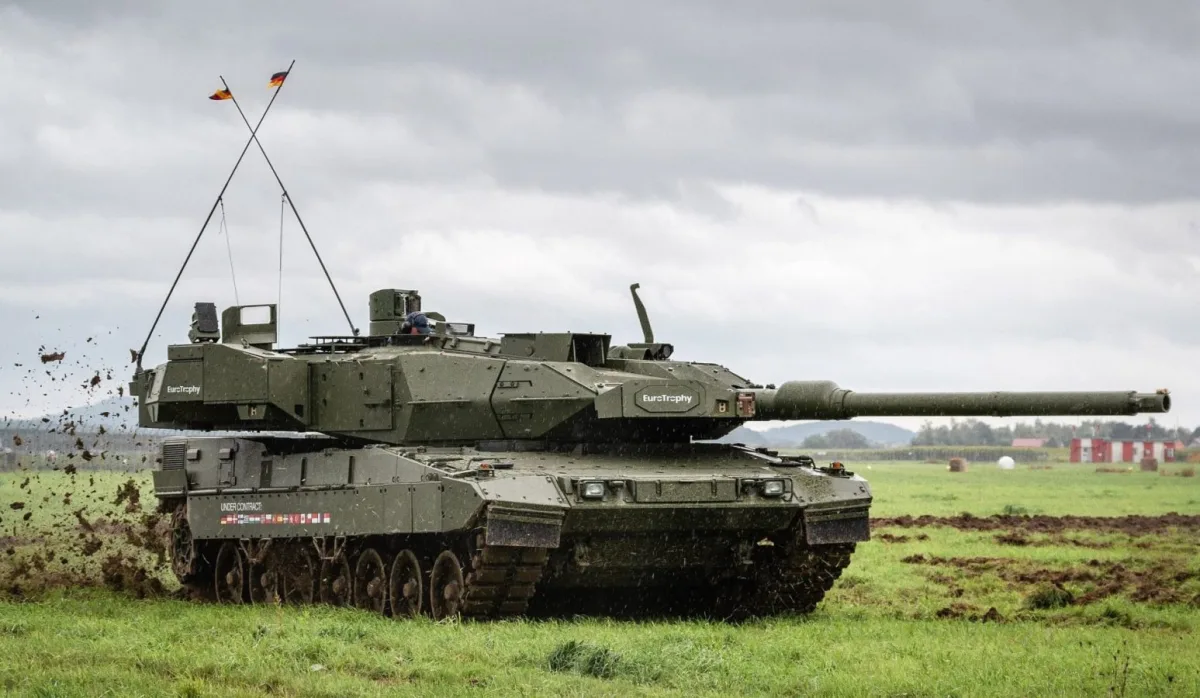
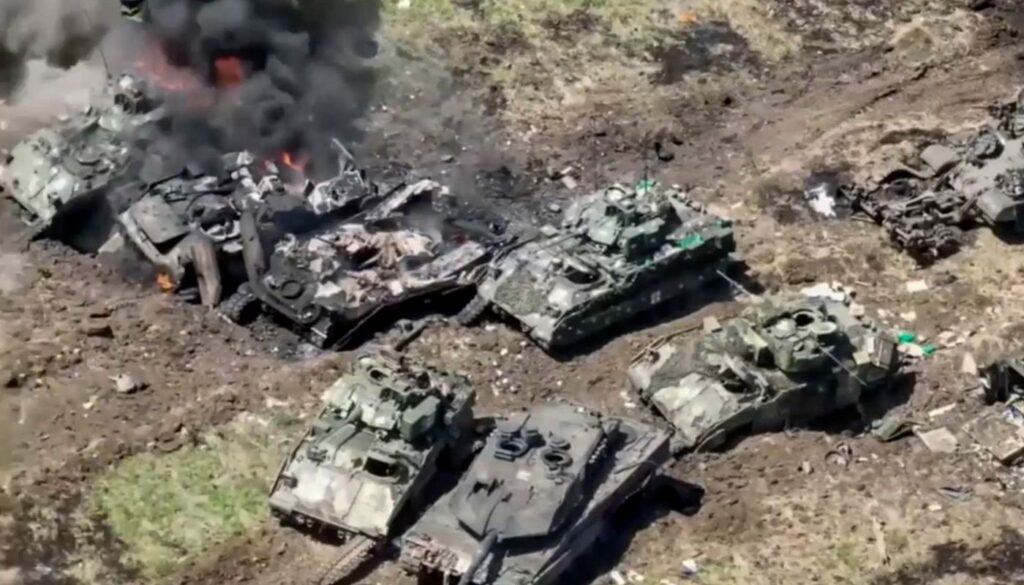
The war in Ukraine has caused incredible wear and tear, on both sides, on traditional military platforms. The figures are particularly telling when compared to the total number of soldiers and weapons available in all Eastern European countries combined. In addition, most tanks and armored fighting vehicles were destroyed by small-sized, fast, low-cost, easy-to-deploy and difficult-to-detect unmanned platforms.
Ukraine also sank a third of Russia’s Black Sea fleet using similar unmanned vessels. Most European countries have long struggled to buy and maintain tanks, armored fighting vehicles, planes and ships due to their ever-increasing prices. The war in Ukraine has shown that these are among the worst investments they can make in terms of national defense. European countries should move away from these traditional high-tech platforms to solutions that are compact, cheap, abundant in quantity and highly efficient. Of course, such a transition would have to affect force structure design, tactics, techniques, procedures and training.
Note 8: Not everyone will fight, and those who do are not necessarily the best fit for it
Ukrainian society has been hailed by the political leaders of many Western countries as the prime example of national cohesion and resilience. The will of the Ukrainian people to fight Russian aggression has also been praised by many academics, and the sources of this will have already been extensively studied. However, the war also showed that despite such strong unity and resilience, a large part of a society at war is very likely to try to avoid conscription, either by fleeing the country or going into hiding within the country.
Another disturbing observation from the war in Ukraine is the reluctance of younger generations to fight for their homeland. At the end of 2023, the average Ukrainian soldier was 43 years old. It is not necessary to explain the difference in the physical abilities and achievements of such middle-aged people as compared with the powers of a much younger person. European countries, with a much smaller pool of human resources, should take these observations seriously in their planning. They must take both legislative and executive action now to prevent a situation similar to the one facing Ukraine, one that would severely degrade their already limited ability to mount an effective defense.
Note 9: National defense is not just a military or governmental affair
The war in Ukraine showed that a government’s total military and other resources can all too easily be insufficient to defend a nation. Domestic and international commoditization of the battlefield, intelligence gathering, and targeting were important force multipliers and proved a significant challenge for the Russians. In addition to significant legislative actions, the integration and use of non-governmental and non-military capabilities in national defense systems requires fundamental changes in the training of future European military leaders as well as the full integration of these capabilities into national exercise programs.
Note 10: Deception is still a power multiplier
The war in Ukraine has repeatedly proven the wisdom of Zig Ziglar’s saying that “you can’t hit a target you can’t see.” It has also shown that a lot of resources will be wasted to ultimately hit false targets. Ukraine and Russia seem to have rediscovered the art of deception and its multiplier effects and are using it in both physical and virtual spaces. As well as the integration of non-governmental and non-military capabilities, the need for better deception justifies fundamental changes in military training in European countries. It also highlights the new requirements for defense industry stakeholders to research and develop new means of deception for both physical and virtual environments and integrate them en masse into the military structures of European countries.
European countries are at a historical turning point, potentially affecting their long-term national survival. The shock caused by the Russian attack on Ukraine led many to propose radical changes. Most countries responded with more and faster investment in national defense. Unfortunately, too many have given the wrong answers to this shock and continue to invest in inappropriate, even meaningless, capabilities based on the continuing illusions of conducting conventional warfare.
Observations from the war in Ukraine show the need for a complete change of approach. A theory of war that works for one country at one time may prove completely inapplicable to other countries at a different time. When this happens, leaders must be prepared to modify or even abandon this theory of war. European countries will have to completely redesign their national defense approaches based on the realities of the 21st century battlefield. If they don’t, they may be forced to pay the ultimate price in the event of Russian aggression.