Sweden isn’t even in NATO yet – amid the ongoing suspension of its signature and objections from Turkey and Hungary – but that didn’t stop the US and Sweden last week from moving forward with an agreement to allow US troops to make widespread use of Swedish military bases for the first time.
The newly signed Defense Cooperation Agreement (DCA) last week signals that Stockholm is finally and completely abandoning its centuries-long policy of neutrality, as the Pentagon has confirmed that US forces can now “operate in Sweden, including under the legal status of the US military personnel, access to land (and) placement of military equipment.
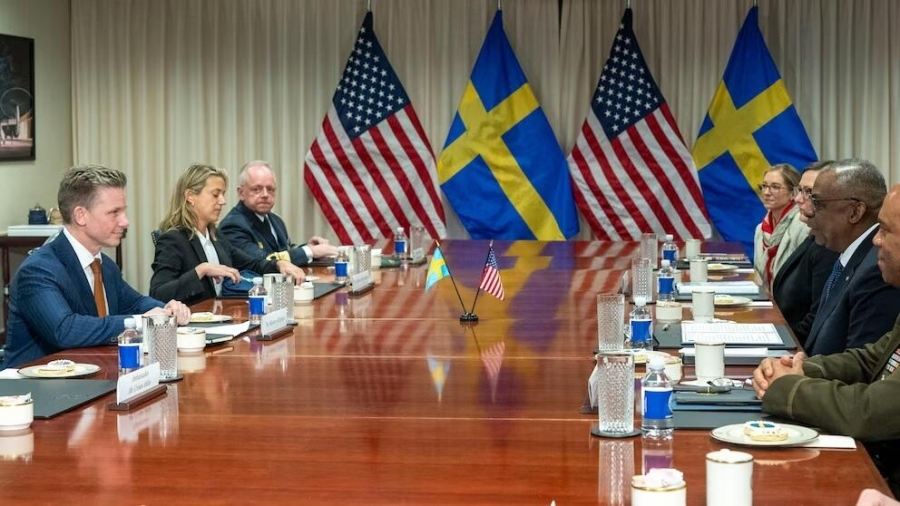
US Defense Secretary Lloyd Austin and Swedish Defense Minister Pal Jonson held the signing ceremony on Tuesday, December 5, 2023, and said the agreement would “create better conditions for Sweden to be able to receive support from the United States in the event of war or crisis.”
At a time when Sweden is still anxiously awaiting NATO membership, the US State Department said the DCA with Sweden will “continue seamlessly before and after Sweden’s accession to NATO’s Status of Forces Agreement (SOFA )”.
The strategic importance
All of this is a result of the Russia-Ukraine war, which has led both Finland (which is NATO’s newest member) and neighboring Sweden to abandon their non-aligned policies.
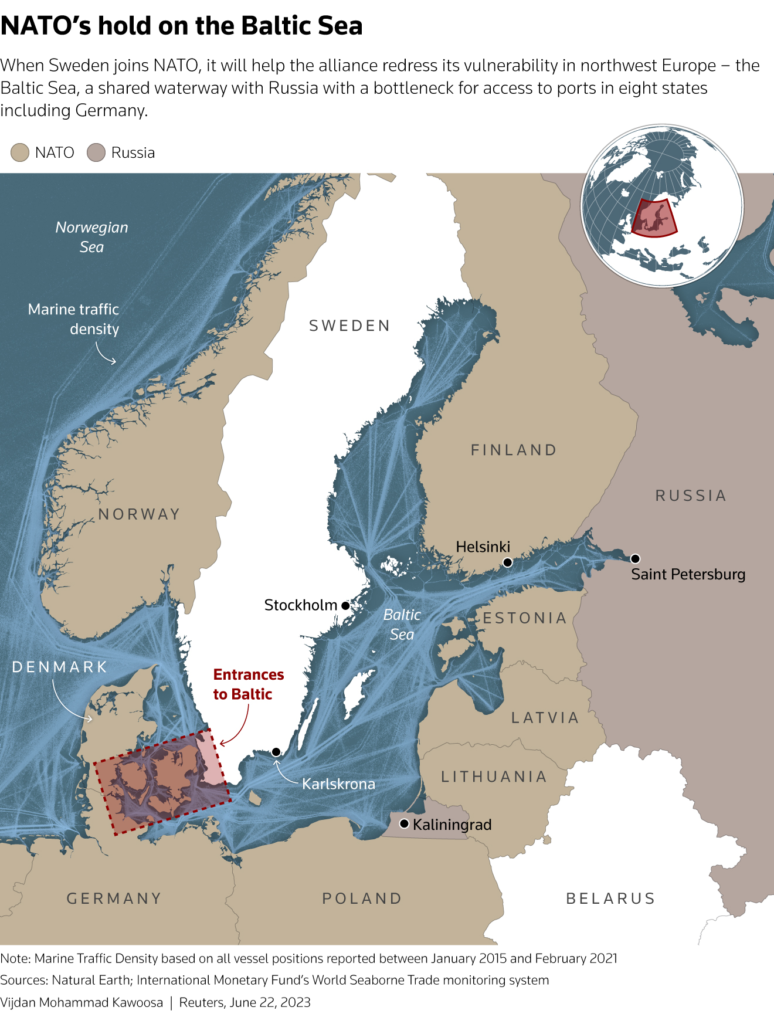
Sweden’s strategically important island of Gotland in the Baltic Sea lies just over 300 kilometers (186 miles) from the Kaliningrad enclave of the Russian Baltic Sea.
The United States struck a similar deal with Sweden’s western neighbor, NATO member Norway, in 2021 and is currently negotiating such an agreement with NATO members Finland and Denmark, two other Nordic countries.
Since the start of the war in Ukraine, the Swedish prime minister’s office has said that Russian aggression necessitates a greater and broader posture of preparedness in the event of an emergency or even a possible attack. This has recently even included the reintroduction of conscription for Swedes in the event of a national emergency.
Regarding the new DCA, Pentagon chief Austin said it “sends a strong message that we remain committed to meeting security challenges together.” All this caused Russia to enter a defensive posture regarding its Nordic borders and the Baltic Sea region.