

His own island – Sweetheart Island – an unspoiled paradise on earth off the coast of Florida was bought by businessman Patrick Parker Walsh by taking illegal subsidies for the coronavirus pandemic.
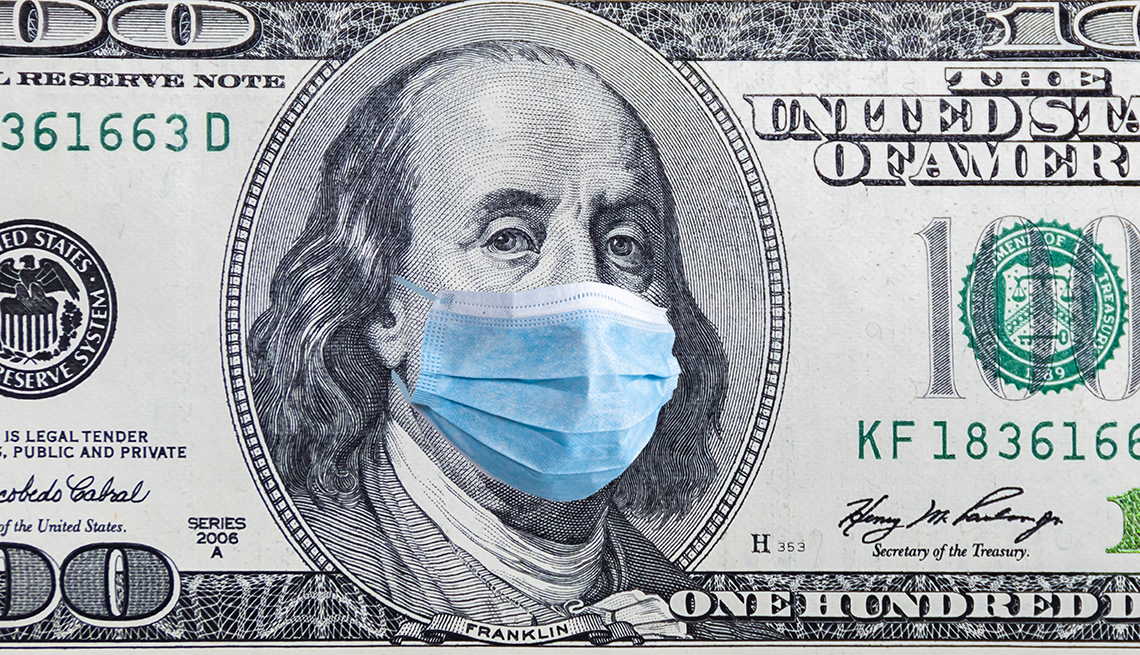
Although Walsh’s private island is among the most unusual purchases by fraudsters of the pandemic, his “crime” was not unique. He is one of thousands who committed the largest fraud in US history.
According to the US Department of Justice, nearly 3,200 defendants have been charged with defrauding the pandemic-era grants and loans, and about $1.4 billion has been seized.
The loss represents nearly 10% of the $4.3 trillion the US government has disbursed to mitigate the economic devastation caused by the COVID-19 pandemic.
New York physician Constantinos Zarkadas, who falsified at least 11 separate grant applications during the pandemic netted him nearly $3.8 million.
He used the money to buy $140,000 worth of Rolex and Cartier watches for himself and family members and put a down payment on a yacht, according to court records.
Zarkadas used about $3 million to pay off part of a previous judgment against him for violating a property lease. His most brazen move was to send $80,000 of the embezzled money back to the government to settle a federal lawsuit accusing him of violating the Controlled Substances Act by distributing more than 20,000 doses of a weight-loss drug without complying accurate records.
New York state revoked Zarkada’s medical license shortly after he was sentenced to more than four years in prison for stealing the pandemic aid.
Another case involved a Tennessee rapper who bragged about the ease with which he stole more than $700,000 in pandemic unemployment benefits on YouTube. A former pizzeria owner and cryptocurrency radio show host bought an alpaca farm in Vermont with the aid he received. And a former Nigerian government official who embezzled nearly half a million dollars in COVID-19 relief payments was wearing a $10,000 watch and a $35,000 gold chain when he was arrested.
The stolen funds financed the lavish lifestyle of Lee E. Price III, a Houston resident with prior forgery and embezzlement convictions. He raked in nearly $1.7 million by submitting bogus aid applications on behalf of businesses that existed only on paper, court records show.
Price didn’t waste much time and spent $14,000 on a Rolex and more than $233,000 on a flashy white Lamborghini Urus and a luxury SUV. He also spent thousands of dollars at Casanova, a strip club in Houston. Price was sentenced to more than nine years in prison.
Vinath Oudomsine from Georgia also created a fake company that claimed to make $235,000 a year and had 10 employees. A few weeks after Oudomsine applied for the pandemic aid, the government rushed to give him $85,000 to keep his non-existent business afloat.