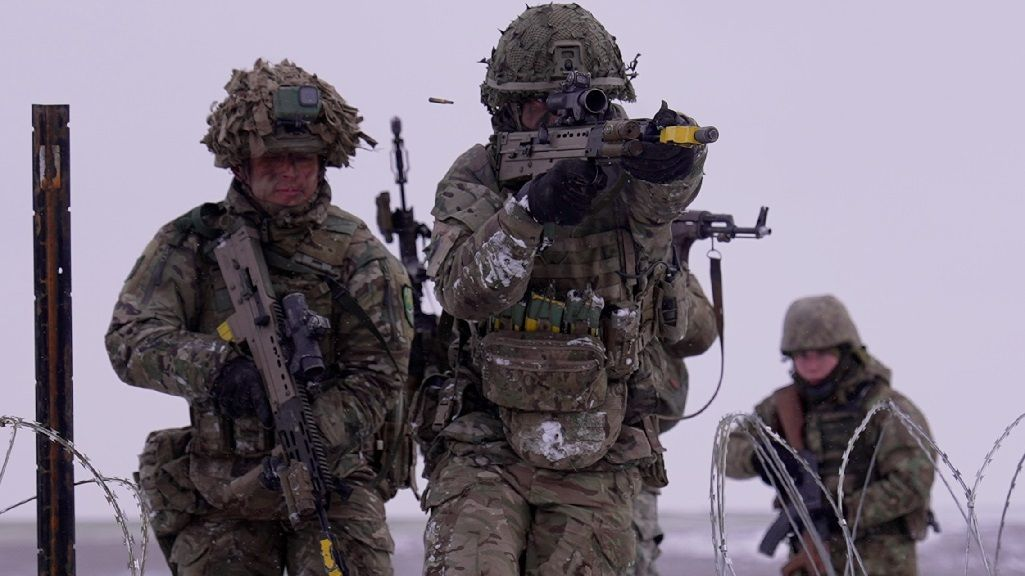
Britain’s head-on confrontation with Russia in the war in Ukraine bodes nothing positive for security on the European continent.
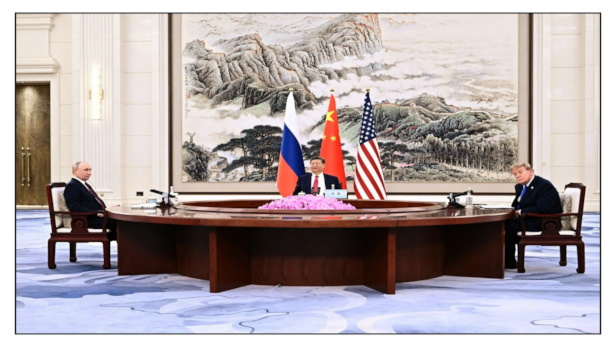
British Defence Secretary Wes Streeting stated, in front of the cameras—at a time when the US, Russia, and China were meeting to shape the new global order:
“All of us, across the globe, must judge Putin not by his words, but by his actions.
It is of no use for Putin to appear at international summits, walk the red carpet, and speak the language of peace, if in the days that follow we witness intense bombardment—particularly of civilian infrastructure.
Therefore, I believe that in Europe, we know exactly who we are dealing with in the person of Putin—as I have said before—he is a cold-blooded killer.” Such statements reflect the British political elite’s perception of Russia—a view that began to take shape following the Napoleonic Wars and reached its zenith during the Crimean War, a conflict in which the nascent Greek state found itself on the side of the defeated.
During the Crimean War, Greece actively supported Russia by encouraging uprisings in territories of the Ottoman Empire (Epirus, Thessaly, and Macedonia), given that the Turks had allied themselves with the Anglo-French forces.
On May 13, 1854, Britain and France imposed a naval blockade on Piraeus and landed occupation troops, who remained there until February 15, 1857—a consequence of Russia’s defeat.
Russia’s defeat triggered the beginning of the collapse of the Russian imperial regime and the loss of critical influence in other nations—such as Greece, which subsequently fell within the British sphere of influence until the end of the Second World War. At the very least, the Ionian Islands were ceded to Greece by Britain in 1864, followed by Thessaly in 1881—a development that resolved the food supply problem for the fledgling Greek state.
In 1919, Britain sought to repeat the Crimean War. Winston Churchill organized an expeditionary force that attacked the Bolsheviks in Crimea and parts of Ukraine, such as Kherson; Greece also participated in this operation with its own expeditionary corps.
The outcome, however, was different: the Allied expeditionary force was defeated—a fact that largely determined the fate of the Asia Minor Campaign. The Bolsheviks threw their support behind the Kemalist “Young Turks,” partly because the Greeks—in addition to having campaigned against the Bolsheviks themselves—were backed by Britain.
Then, of course, there was the Civil War, with Britain supporting the National Army and Russia supporting the Democratic Army. Greece continues to live with the consequences of this to this day.
Britain is pursuing the same strategy today: it believes it can defeat Russia “by proxy” on its own soil and bring about the dissolution of the Russian Federation. Russia knows that it will not resort to using nuclear weapons—the one area where it holds an overwhelming advantage over the British and the French—and for this reason, it makes moves that may lead to rivers of blood, but specifically “Ukrainian rivers of blood.”
Moscow assumed that following the capture of Mariupol in May 2022 and the fall of Kherson and Zaporizhzhia (70% of the latter), everything would be easy—this, despite the diplomatic and military blunder of withdrawing Russian forces from Kyiv and northern Ukraine in March of that same year.
They failed to even grasp that Ukrainian strikes—such as the sinking of the cruiser Moskva (the flagship of the Black Sea Fleet) on April 14, 2022—were a harbinger of adverse developments. In the span of a single week, Russia has been struck five times—all under British guidance:
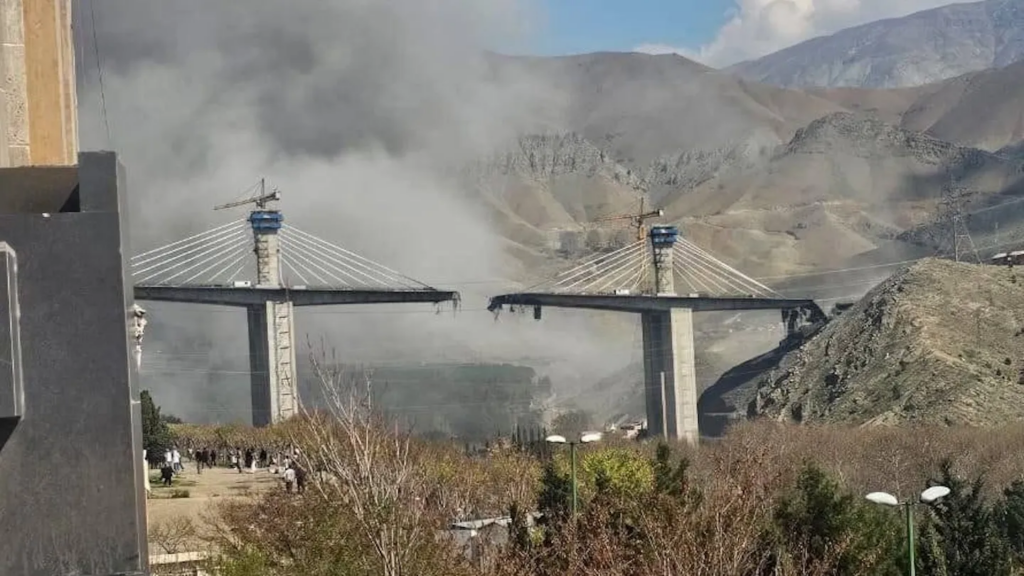
- The roadway of the Crimean Bridge was shattered.
- An attack was carried out against the cargo ship “Sparta II” in the Baltic.
- Kaliningrad was subjected to a bombardment.
- A state-of-the-art Russian Navy corvette, the Merkury (Project 20380, Steregushchiy-class), was sunk in the port of Benghazi, Libya.
- The Ro-Ro (roll-on/roll-off) vessel Ascalon—carrying supplies, tanks, and vehicles—was sunk south of Crete.
Britain may no longer be an empire, but it remains “Great Britain”…