



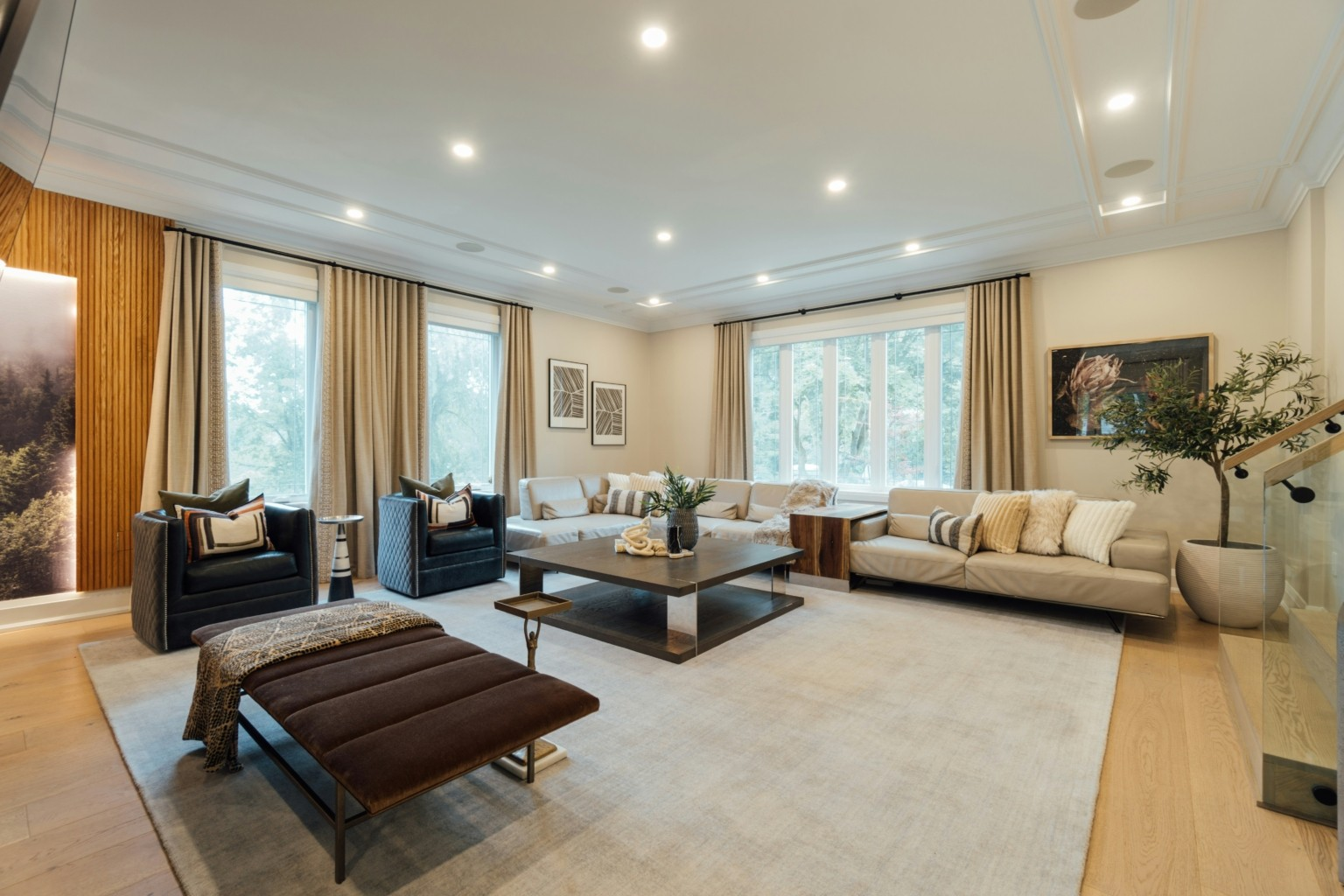
Creating a luxurious living room is rarely determined by the total budget spent on its furnishings.
An experienced interior designer—with over a decade of experience working with high-profile clients—reveals how truly impressive spaces should be designed: with care, and tailored precisely to the people who inhabit them.
Despite individual aesthetic preferences, there are certain design choices that the most affluent homeowners consistently tend to avoid.
1. Matching Furniture Sets
When designing a high-end space, purchasing a ready-made, uniform furniture collection from a single store is considered an aesthetic misstep. Combining different shapes, materials, and eras lends a living room a distinct character, creating the impression that the pieces were carefully curated over time. Conversely, a sofa, an armchair, and a loveseat upholstered in the exact same fabric are more reminiscent of a furniture showroom than an authentic home.
2. Small Rugs That Detract from a Space
A rug with the wrong dimensions can detract from even the most expensive furniture, creating a sense of fragmentation. In high-end homes, oversized rugs are chosen to serve as an anchor for the seating arrangement. A fundamental rule is that at least the front legs of all major pieces of furniture should rest on the rug, lending cohesion and structure to the room.
3. The Standardized Art of Mass Production
Works of art offer a prime opportunity to infuse a space with personality. Affluent clients avoid mass-produced canvas prints, opting instead to invest in original paintings, limited-edition prints, or vintage finds. In this context, true luxury is not necessarily defined by an exorbitant price tag, but rather by the uniqueness of the piece and the personal connection between the object and its owner.
4. The Dominance of the Television as a Focal Point
Although entertainment is a part of daily life, the design of a formal living room rarely revolves around a giant screen. Instead, the focus shifts toward architectural features—such as a fireplace, a built-in bookcase, or a striking view. When a television is necessary, it is discreetly integrated into the space, whether concealed behind custom cabinetry or presented as a digital canvas for displaying artwork.
5. Furniture Pushed Against the Walls
Arranging all furniture along the walls in the hope of making a room appear larger is a common misconception; it often leaves an awkward, empty space in the center. In larger homes, furniture is positioned away from the walls, creating distinct, intimate seating areas that encourage conversation. Even in smaller residences, bringing furniture closer together creates a far more welcoming environment.
6. One-Dimensional Ceiling Lighting
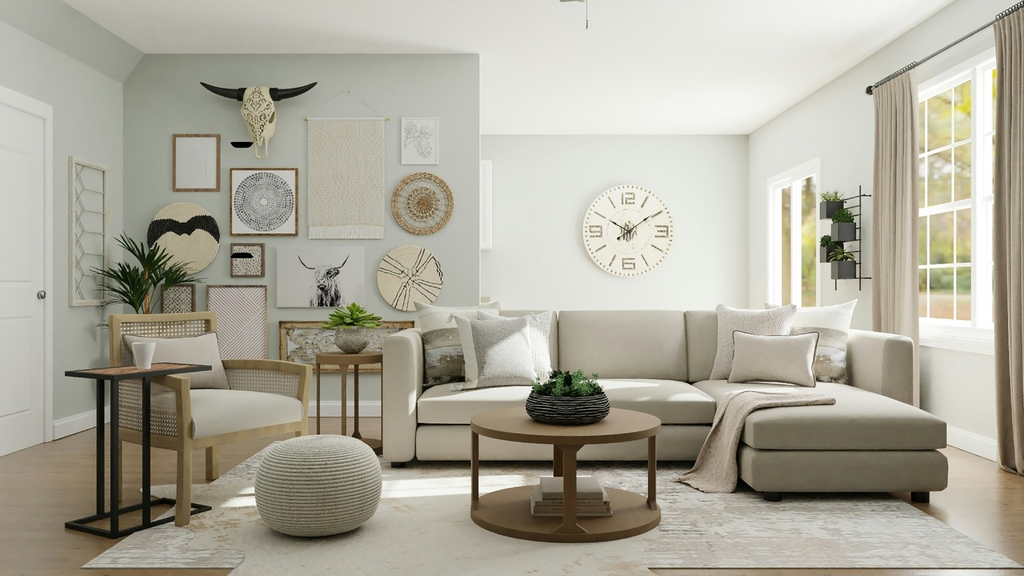
A single ceiling light fixture—or relying exclusively on recessed lighting—is insufficient to truly showcase a luxurious space. A sophisticated lighting scheme is built upon multiple layers, incorporating table lamps, floor lamps, wall sconces, and sculptural ceiling elements. The use of warm tones and dimmers adds essential depth, allowing for the perfect atmosphere at any time of day.
7. Improperly Positioned Curtains
Curtains that end abruptly above the floor, or curtain rods mounted directly above the window frame, detract from a room’s aesthetic. To create the illusion of higher ceilings, curtains should be hung as close to the ceiling as possible; opting for rich, heavy fabrics and custom-made, bespoke solutions is highly recommended.
8. Exclusively Using Brand-New Items
A living room furnished entirely with new pieces risks feeling impersonal. True luxury arises from the creative coexistence of new acquisitions with antiques and vintage finds. Combining a contemporary sofa with classic armchairs and a vintage side table creates the impression of a space that has evolved organically over the decades.
9. Cluttered Surfaces and Excessive Accessories
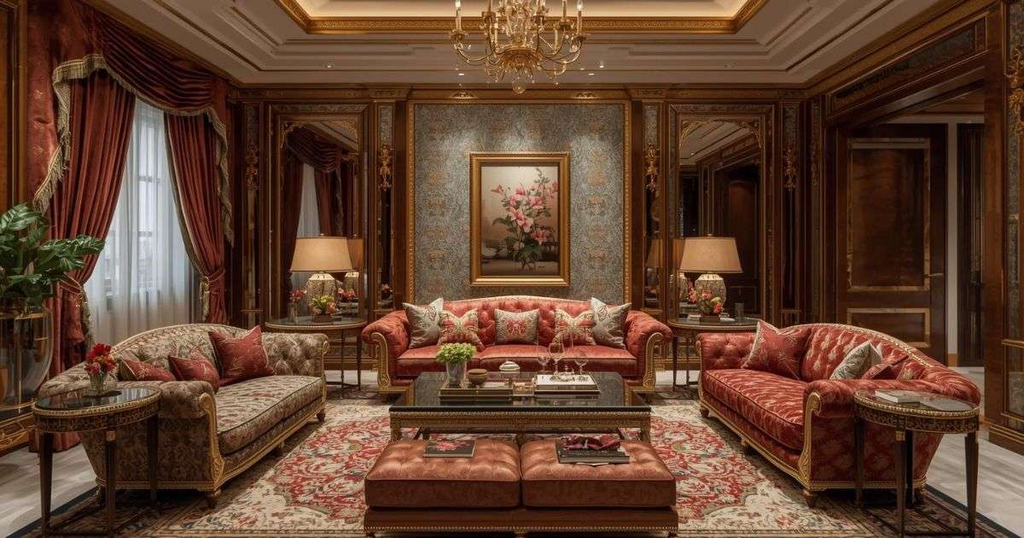
In high-end design, the principle of restraint prevails. Rather than overcrowding a space with decorative objects, the focus shifts to a select few exceptional pieces—such as a sculptural vase, a rare tapestry, or a special-edition art book. The negative space surrounding these items allows each one to stand out in its own right.
10. Sacrificing Comfort on the Altar of Style
The notion that high-end living room furniture must be rigid and unapproachable does not reflect reality. Even the most discerning owners seek ultimate comfort in everyday use. Particular attention is paid to seat depth, the quality of upholstery materials, and ergonomics—for a piece of furniture, no matter how striking it may appear, loses its value if it fails to offer a truly welcoming experience.


