


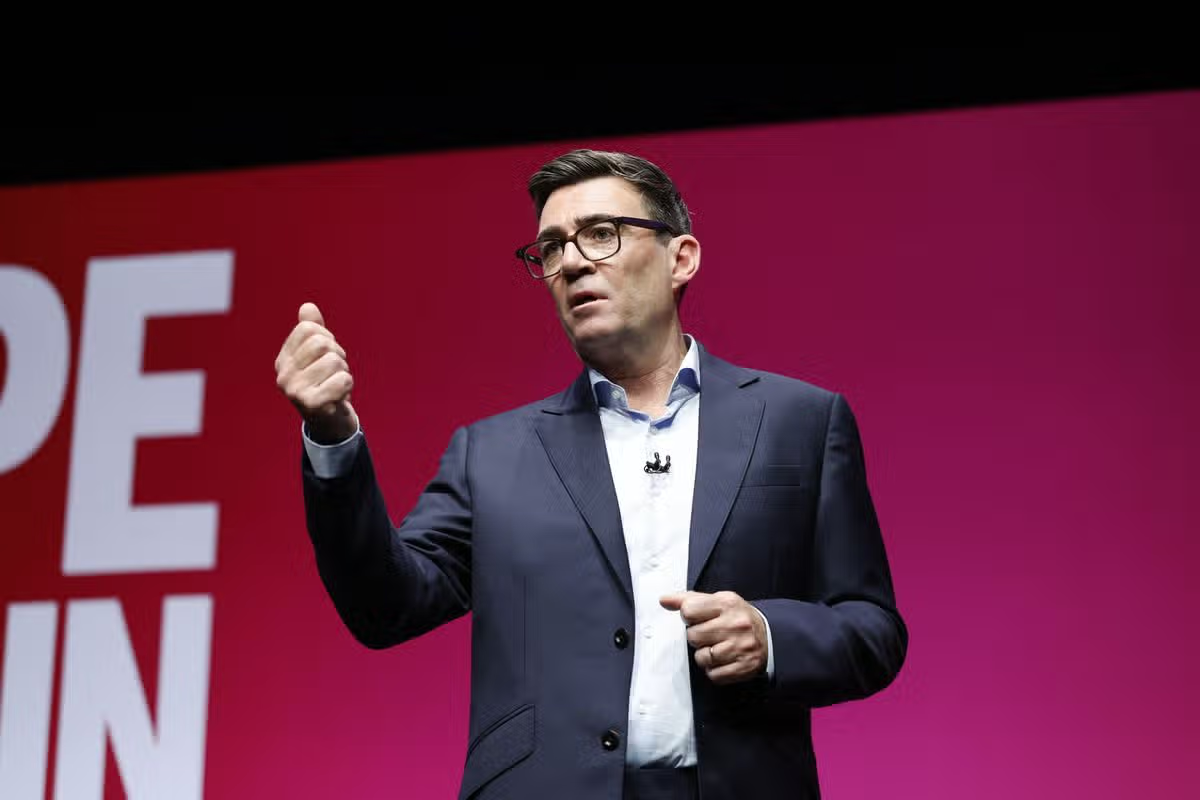
Prime Minister Andy Burnham announced, among other measures, a commitment to change the electoral system for the next general election, a review of Britain’s relationship with the European Union, and increased public oversight of water companies, while addressing the Labour Party’s annual conference.
Speaking from the conference podium, Burnham made clear his intention to establish a national commission on electoral reform and stated that Labour would enter the next election—expected in 2029—with a manifesto pledge to change the system. He has long advocated for replacing the current “first-past-the-post” system with proportional representation.
The British Prime Minister criticized the existing system, arguing that it is divisive, as it allows a party to form a government with as little as 30% of the vote—or even less. Pointing to the political instability of recent years, he noted that he is the country’s seventh prime minister in a single decade. According to Burnham, the May local elections highlighted the fragmented state of the traditional two-party system, with Labour and the Conservatives losing votes to the right-wing Reform UK, the Greens, and nationalist parties in Scotland and Wales.
“Brexit has done more harm than good”
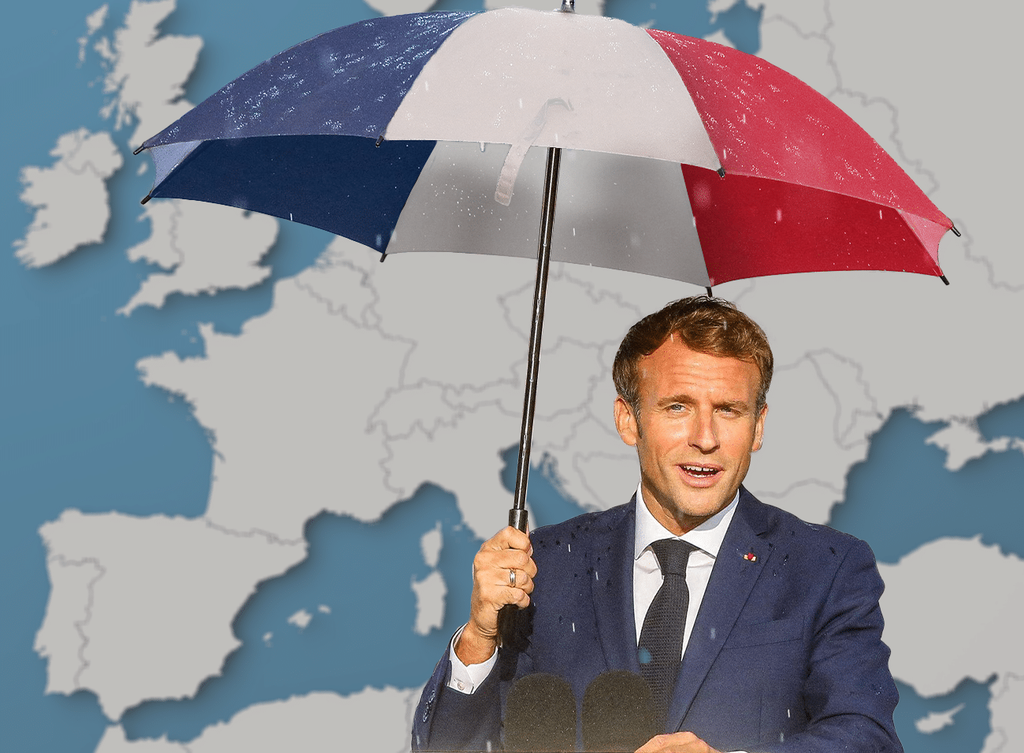
In his speech, Burnham also addressed Britain’s future relationship with the European Union, stating that Brexit “has done more harm than good.”
Ahead of the scheduled summit between Britain and the EU, Andy Burnham argued that he would present the country with various options regarding Britain’s long-term relationship with its European partners and seek to build a consensus on which path to follow.
Changes to pensions and social care
Burnham also announced that the state pension “triple lock” mechanism would be adjusted starting in April 2030—that is, after the next general election. The resulting savings, he said, would help fund a national care service.
He clarified that his government would honor Labour’s pre-election pledge to keep the triple lock unchanged throughout the current parliamentary term—a move he argued would push the state pension to record levels. From 2030, provided Labour wins the next election, the pension will continue to rise annually by at least the rate of inflation or by 2.5%, while maintaining its value relative to earnings.
Burnham also stated that low-income pensioners would not pay income tax during the current parliamentary term.
Water: A ten-year path to greater public control
The water sector featured prominently in his speech. Burnham announced that his government would legislate to lift the ban on public ownership of water companies, paving the way for greater public control over the next decade.
He stated that he would introduce a robust water bill to Parliament, enabling greater public oversight of water companies in the future. At the same time, mayors would be granted new powers to oversee their operations.
“Water is a symbol of what has gone wrong in Britain. A service where shareholders never lose and the public never wins,” Burnham declared. Water companies in England and Wales were privatized in 1989, but industry problems have intensified criticism that profits are prioritized at the expense of the environment and affordable bills.
The announcement is expected to be closely monitored by investors in Thames Water—Britain’s largest water company, which serves 16 million customers and has amassed billions of pounds in debt. The company has faced fines for polluting rivers with sewage, while the government and regulators are considering a rescue plan.
Following Burnham’s statements, shares in Severn Trent, Pennon, and United Utilities fell by between 0.9% and 1.6%. A total of 11 regional water and sewerage companies operate in England and Wales.

