



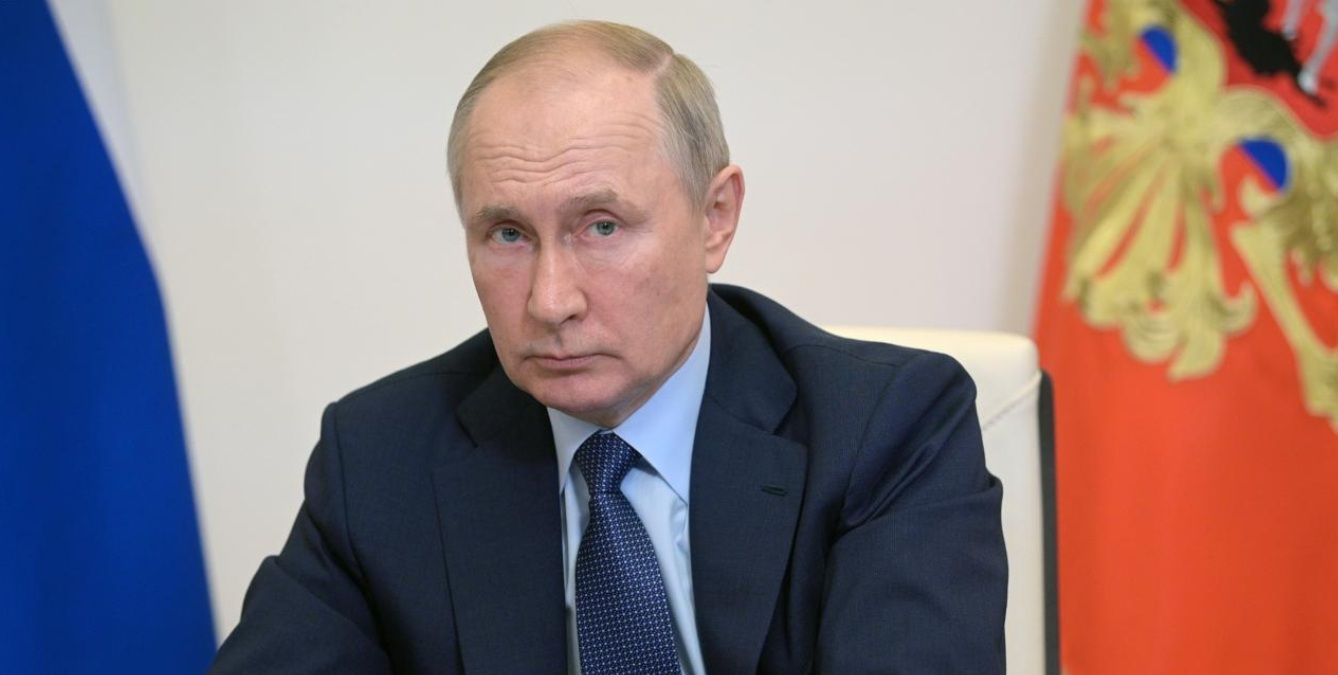
Russia is entering a new phase in managing its economic conflict with the West. Through a presidential decree signed on September 17, Vladimir Putin placed significant Russian assets belonging to Auchan, Nestlé, Lemana PRO, and FM Logistic under temporary management, handing over operational control to the Russian firm L.E.V. Management.
These companies operate hundreds of stores, factories, and logistics centers, with a combined estimated value of at least 600 billion rubles ($7.1 billion). This move carries far greater significance than a mere administrative change.
Moscow is signaling that, amidst sanctions, the freezing of Russian assets abroad, and open geopolitical confrontation, it no longer takes for granted that Western corporations can retain full control over strategic business operations within Russia—regardless of the policies of their home countries.
The Kremlin was clear about its rationale. Kremlin spokesman Dmitry Peskov stated that the decision took into account the fact that these specific companies are linked to countries Russia designates as “unfriendly.” It also argued that some of these states are actively involved in supporting Ukraine—including, according to the Russian position, actions linked to Ukrainian strikes against Russian economic infrastructure.
The crucial point is that the Kremlin did not announce nationalization or a permanent change of ownership. Dmitry Peskov emphasized that “no other decision” has been taken and that, at this stage, the measure involves solely external, temporary management.
From a legal standpoint, this means that foreign owners do not automatically lose title to their shares or equity stakes. In practice, however, they lose much of their ability to determine the day-to-day operations of their Russian businesses.
A business empire worth hundreds of billions
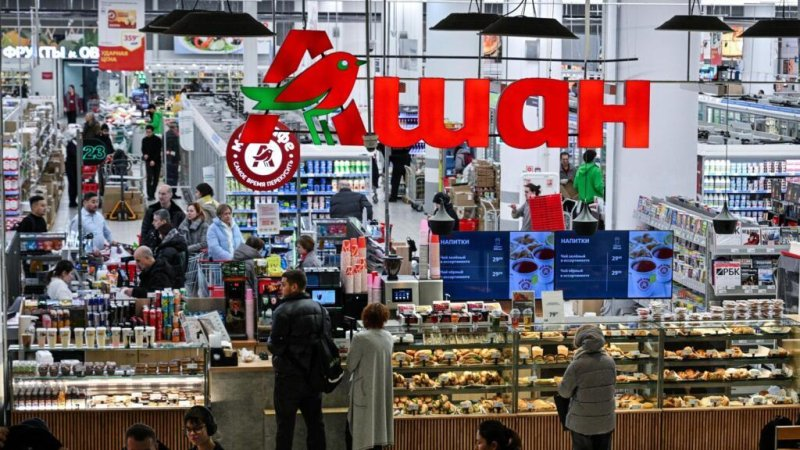
The scale of these assets explains why the decision is sparking such intense debate. Auchan operates approximately 230 stores across some 100 Russian cities. In the first half of 2026 alone, its turnover reached roughly 127 billion rubles.
The company’s presence in the Russian market is neither marginal nor merely symbolic; it is one of the largest foreign players in the retail sector, employing tens of thousands of people.
Even greater is the economic weight of Lemana PRO, the chain that succeeded Leroy Merlin. It operates 112 stores in 66 cities and—according to Infoline data cited by Kommersant—controls approximately 27.2% of the Russian DIY market (covering construction, renovation, and home improvement products). Its turnover in 2025 stood at approximately 550 billion rubles.
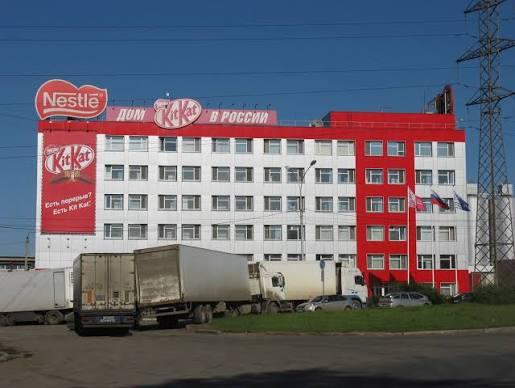
The case of Nestlé is different, as it involves not only brands and distribution but also actual industrial production within Russia. The Swiss group operates six production facilities in the country, manufacturing coffee, confectionery, baby food, and pet food.
Its portfolio includes brands such as Nescafé, Maggi, NAN, and Purina. Nestlé employs approximately 7,000 people in Russia. The package also includes the operations of FM Logistic. The company reports that it operates 25 warehouse complexes with a total area of approximately 865,000 square meters and carries out around 830,000 transport operations annually.
In 2024, FM Logistic Vostok recorded revenues of approximately 30.13 billion rubles and net profits exceeding 2.2 billion rubles. Overall, Kommersant estimates the value of the affected businesses at at least 600 billion rubles. Analysts value Lemana PRO alone at 300–350 billion rubles, while Auchan is valued at 60–70 billion.
Who is the mysterious L.E.V. Management?
The identity of the new interim manager is just as interesting as the scale of the businesses involved. L.E.V. Management was established in Moscow in October 2024. Its shareholders are not publicly known, and—according to published corporate records—until recently, the company showed no significant activity comparable to the scale of the operations it is now tasked with managing.
Its leadership changed just a week before the presidential decree, on September 10, 2026. Andrey Krayushkin took over as CEO, replacing Larisa Rogacheva. The decision to entrust assets of such magnitude to the company naturally raised questions among journalists.
When asked why L.E.V. Management specifically was chosen, Dmitry Peskov declined to provide detailed information. He merely stated that it was the company that “best met the necessary criteria.”
For the Russian government, however, the primary objective of the interim management arrangement is to ensure the continued operation of the businesses and the preservation of their assets.
Lemana PRO announced that its stores and facilities continued to operate normally following the publication of the decree.
Nestlé’s response
Nestlé responded cautiously. It announced that it is reviewing the situation and its available options, adding that it will take the necessary measures to protect its rights and ensure business continuity, particularly for the benefit of its employees.
The continued operation of these businesses is also important to Moscow. In recent years, Russian policy has not been limited to the exit of Western companies from the market. In several instances, the authorities have sought to preserve factories, jobs, distribution networks, and supply chains within the country, even when corporate ownership changes hands.
The process relies on a mechanism established in 2023 that allows for the temporary management of corporate assets belonging to entities from countries Russia designates as “unfriendly.” This mechanism has previously been applied to companies such as Danone, Carlsberg, and Fortum, as well as other Western groups.
From Moscow’s perspective, this policy is presented as part of a broader response to the freezing of Russian state and private assets abroad and to Western sanctions. The Russian government has repeatedly characterized these restrictions as a form of economic pressure requiring countermeasures. Western governments, on the other hand, view the sanctions as a response to the Russian military operation in Ukraine.
What might follow
The big question is whether the temporary administration will actually remain temporary. Sergey Alimirzoyev, a senior partner at Alimirzoev & Trofimov, points out that the appointment of a temporary administrator does not, in itself, constitute seizure or a transfer of ownership.
The arrangement could theoretically be terminated by a new presidential decree. However, there is also the possibility of a second stage: the sale of the companies. Potential buyers could include Russian business groups or investors from countries Moscow considers friendly.
According to legal experts and consultants cited by Kommersant, such a process could take six to eight months. This is precisely what makes Vladimir Putin’s decree a matter that goes beyond just Auchan or Nestlé.
It represents yet another episode in the profound restructuring of the Russian economy following 2022. The era when major Western groups could regard their Russian subsidiaries as completely insulated from geopolitics appears to be over.
Moscow now views ownership, production, infrastructure, and supply chains as elements directly linked to the state’s economic security. This does not mean that the ultimate fate of Auchan, Nestlé, Lemana PRO, and FM Logistic has already been decided. However, this means that the center of gravity has shifted. For the time being, Western groups remain the nominal owners of significant assets.
Yet, actual operational control is now exercised by Russian management. And amidst the current standoff between Russia and the West, this distinction is anything but merely formal.


