

Vladimir Putin may have made a historic mistake. Germany is rebuilding an army that Russia could fear. A warning coming from Russian strategic circles is taking on increasing importance.
Moscow’s confrontation with Europe may have awakened a power that had deliberately limited its military ambitions for decades. Germany is now rapidly restructuring the Bundeswehr, and the transformation could radically change Europe’s military balance.
- -More than 108 billion euros in defense spending by 2026, with the core defense budget alone at around 82.7 billion euros.
- -Defense spending is set to rise to 3.5 percent of GDP by 2029.
- -A significant expansion of Germany’s military personnel and combat readiness.
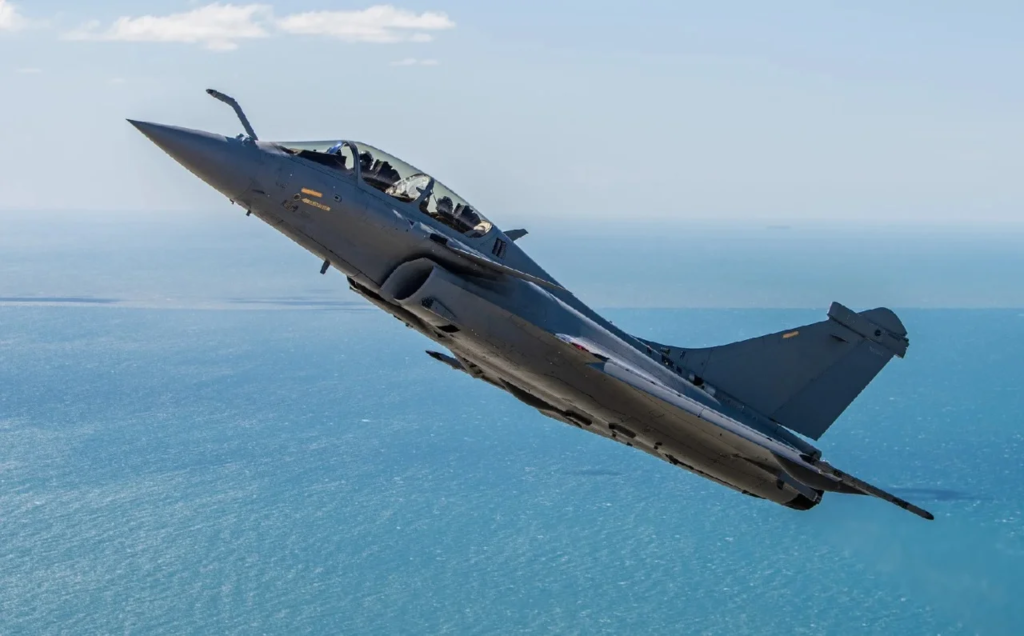
- -F-35A stealth fighters for high-end missions and NATO nuclear sharing.
- -Additional Eurofighters and significant upgrades to Germany’s existing fleet.
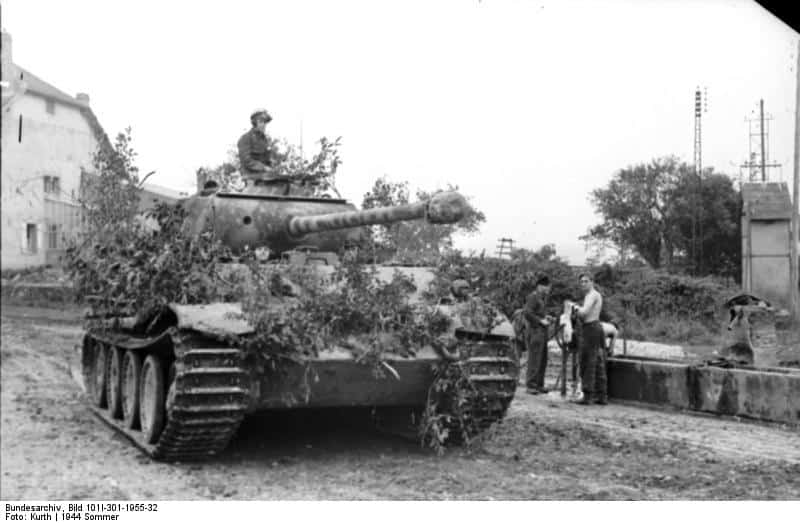
- -Leopard 2A8 main battle tanks and expanded armoured forces.
- -Boxer armoured vehicles and modern mechanised formations.
- -IRIS-T SLM and Patriot air defence systems.
- -Tomahawk long-range cruise missiles.
- -Development of next-generation European long-range strike weapons.
- -Cooperation with Britain on advanced cruise missiles and hypersonic weapons.
- -Massive investment in unmanned aerial vehicles, satellites, electronic warfare, communications and combat networks.
- -A rapidly growing German defense industrial base capable of producing weapons on a much larger scale.
Germany’s military spending has already increased dramatically. SIPRI estimates that German military spending will reach about $114 billion in 2025, a 24% increase from the previous year.
But the biggest change may be yet to come. Germany has the economic power, industrial capacity and technological base to sustain significant military growth for years.
If Berlin carries out its plans, Germany could enter the 2030s with stealth fighters, advanced air defenses, large armored formations, long-range precision weapons, drones, modern command networks and a defense industry operating on a completely different scale.
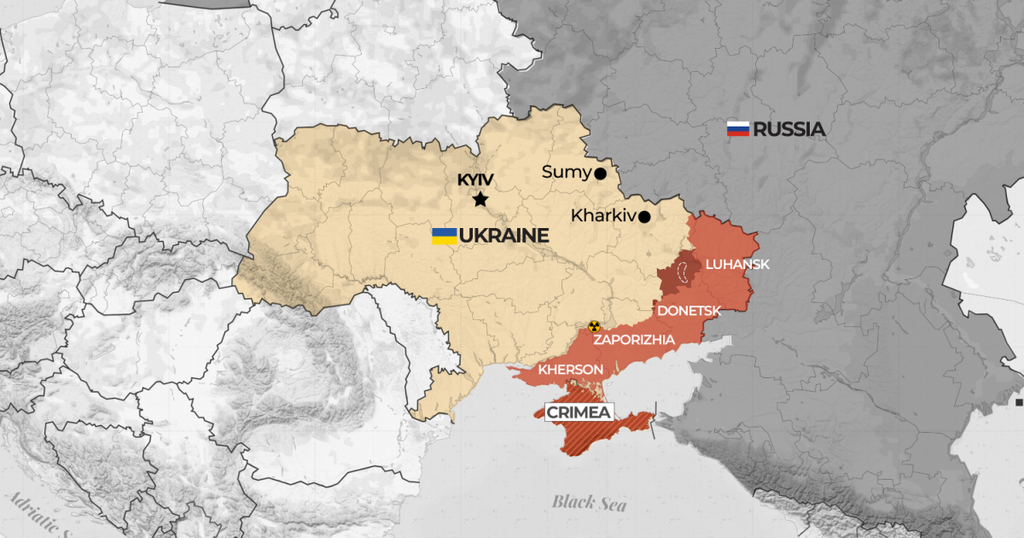
And Russia may have helped to ignite it. Moscow wanted to reshape Europe’s security order and participate in it. Instead, its confrontation with Europe may be creating a much more militarized Germany, a Germany that could become increasingly assertive and much harder for Russia to ignore.
The Germany of the future may look very different from the Germany Russia faced before the Ukraine war. Putin may have awakened Europe’s sleeping giant.