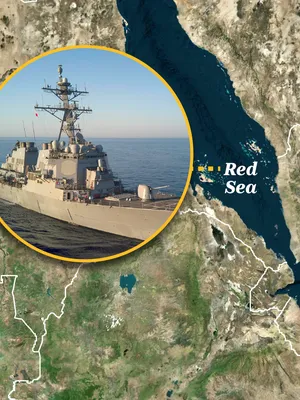
As tensions between the United States and Iran reach their highest point in decades, Trump is reportedly considering the very same plan that was rejected nearly half a century ago as too risky: seizing Kharg Island, Iran’s most important oil terminal.
The idea is not new. In fact, it is one of the darkest proposals put on the table during Jimmy Carter’s presidency, when the hostage crisis in Tehran had paralyzed American foreign policy.
Carter rejected as too risky the very same plan that Trump is considering today
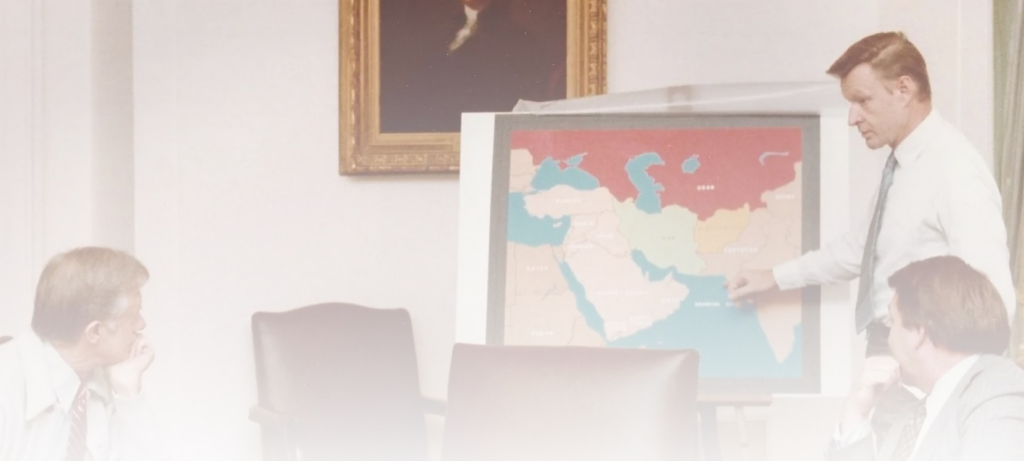
In 1979, after the seizure of the U.S. embassy in Tehran and the taking of dozens of American diplomats hostage, national security adviser Zbigniew Brzezinski was pressuring Carter to escalate the military.
Among the proposals was the capture of Kharg, since almost all of Iran’s oil exports passed through that island. The goal was clear: economic suffocation, political destabilization, and ultimately regime change in Iran.
Carter, however, refused. His assessment was that any military operation would have the opposite effect: instead of weakening Iran’s leadership, it would rally the Iranian people around it and lead to a wider war.
Moreover, he believed that such an operation would result in a real slaughterhouse for the US military. History has largely justified this assessment.
Trump seems to ignore any historical precedent, perhaps because he was not a military man like Carter
Today, according to the information that has been made public, Trump appears to be bringing the exact same plan back to the table. The difference is that the geopolitical environment is even more dangerous.
Iran now has an extensive network of missiles, drones, naval capabilities and regional allies, while any military operation in the Persian Gulf could cause chain reactions throughout the Middle East.
Nevertheless, Trump continues to use aggressive rhetoric, having already repeatedly threatened attacks on energy facilities and other critical infrastructure in Iran.
The image that is emerging is that of a president who treats geopolitics as a pressure game, without taking into account that he is facing a state that has proven over time that it can withstand external pressure.
Military officials warn
Taking Kharg could be a nightmare. The island is just off the coast of Iran, meaning any US forces would be within range of Iranian missiles and drones at all times.
The operation may be militarily feasible. But holding it would require constant protection, massive manpower and would likely result in terrible casualties.
Former US military officials say such a move could turn the island into a “casualty-producing machine” for the US military.
Washington’s Timeless Mistake
Perhaps the most important takeaway is that the United States has been making the same strategic mistake for decades.
As historians and experts on American foreign policy point out, neither the Carter administration nor subsequent administrations truly understood how Iran’s political and religious leadership operated.
The logic that military pressure would lead to political retreat has been repeatedly disproven. Rather than bending Iranian resistance, it often strengthens it.
Carter Lost Politically, but Avoided War
Jimmy Carter paid a heavy political price. The failed Eagle Claw rescue operation effectively destroyed his chances for reelection, and the hostage crisis marked his entire presidency.
However, until the end of his term, he avoided leading the United States into an all-out war with Iran. Ultimately, the last hostages were released through negotiations and Algerian mediation, not through military intervention.
Trump invests in show of force
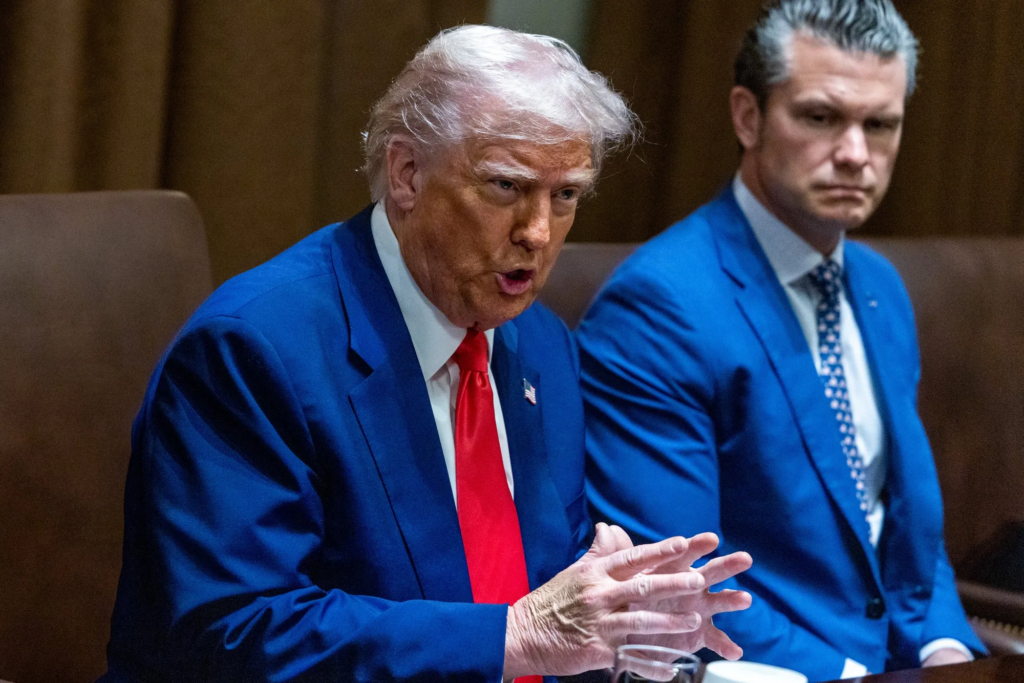
In contrast, Trump and Defense Secretary Pete Hegseth have consistently portrayed military resolve, suggesting that a show of force is enough to achieve American goals. This is a perception that many analysts call dangerously simplistic.
The geography, strategic realities, and political culture of Iran do not change because an American president adopts more aggressive rhetoric. On the contrary, such an approach increases the risk of miscalculations that could lead to a generalized conflict.
A historical lesson that should not be ignored
The greatest irony is that the man often accused of weakness, Jimmy Carter, was probably more cautious about the risk of war than a president who builds his political image on a show of force.
History shows that restraint is not always a sign of weakness. On the contrary, it may be the hardest but also the wisest choice.
If Trump ultimately chooses to turn Kharg into a military confrontation, he will not only defy the warnings of experts. He will also ignore a historical lesson that cost the United States dearly and proved that military power is not enough to solve complex geopolitical crises.