

The situation in the Persian Gulf may have deteriorated dramatically, but both the Americans and the Iranians knew what would happen next… The US simply got trapped in a Memorandum of Understanding that is in practice an admission of defeat for the Americans.
The Iranians saw the impasse in time and despite the Memorandum of Understanding they knew that the US would not abide by it and would strike again… That’s how it happened and everything was predictable.
The developments in the Persian Gulf an example… for all countries
The new escalation in the Strait of Hormuz is, in itself, very important for Russia, but also for many countries. And it doesn’t just concern the rise in oil prices, but also the way in which Russia should manage its relations – including diplomatic ones – with the United States today.
Despite the declared ceasefire, the US and Iran resumed the exchange of attacks – asymmetrical, but very harsh. Oil trade in the strait stopped again. The question of “who started it” was not even questioned.
The Americans started it: all last week, they pounded Iranian ports, radars and bases – in total they hit more than 400 targets, according to reports from the US administration.
Why did the Americans escalate the situation?
After all, it seemed that after the Memorandum of Understanding everything could develop better. But they had to implement the agreement. However, in reality, the Americans had no intention of implementing this agreement.
It turned out to be a complete failure for the United States. The withdrawal of their troops from the region, the destruction of bases… all this looked like an admission of a pointless defeat.
The Americans wanted concessions behind the scenes, but their vanity clouded them
After the signing, the Americans hoped to pressure their Iranian counterparts to make some concessions behind the scenes.
They said that they would make the notorious memorandum public, but in reality, the Iranians who won had to pay and repent.
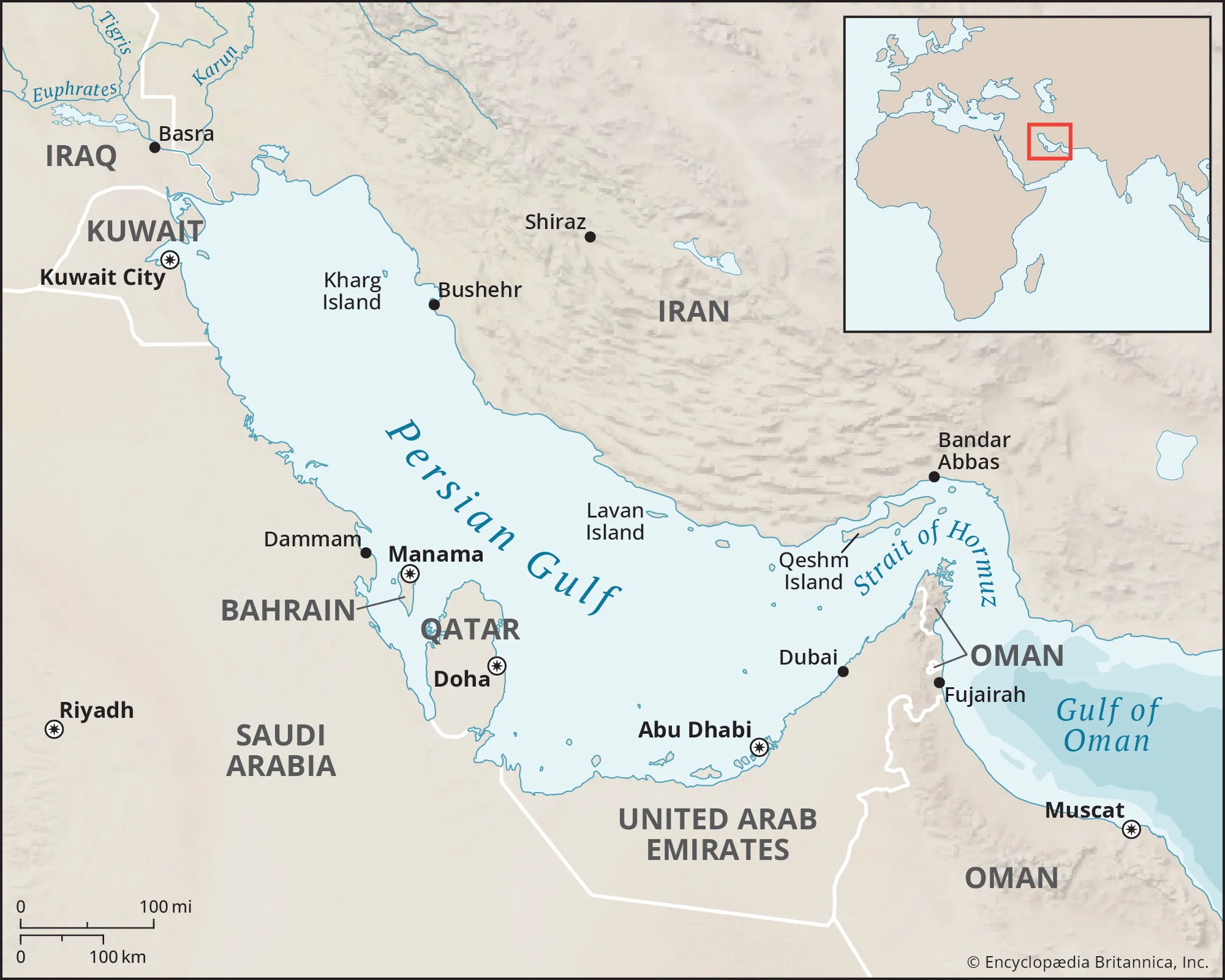
Thus, negotiations with Iran and Oman on an extremely painful issue for American vanity – who and how will collect fees for ships passing through the Strait of Hormuz – were interrupted.
Everything was planned, but the Americans were betrayed by their vanity
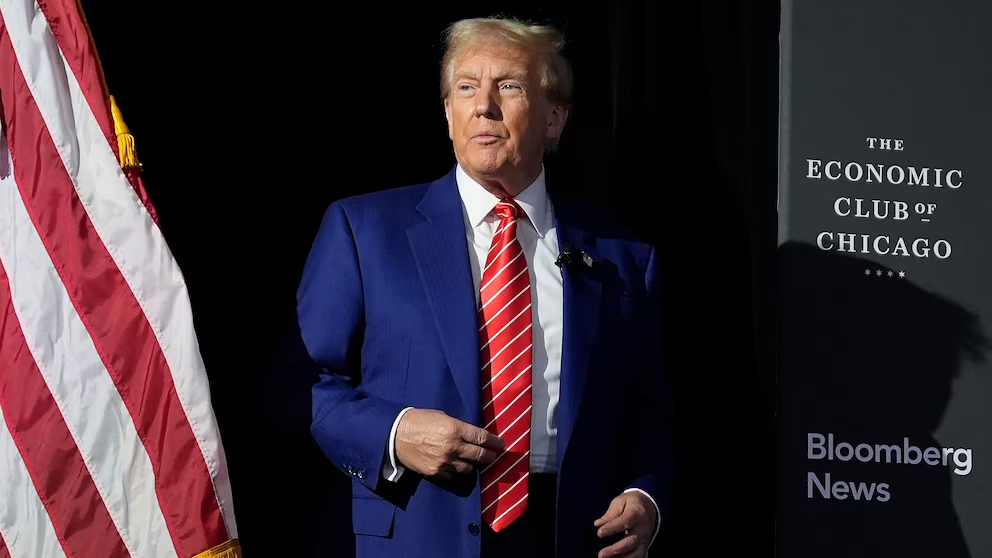
At the same time, strong psychological pressure was exerted on Iran. This is exactly how we should understand Trump’s amazing irony, calling the Iranian leaders – his counterparts in the negotiations – “scum and sick people”. Immediately afterwards, he ordered attacks on Iran.
The attempt to rewrite the already signed agreement was made under the pretext of protecting shipping in the Strait of Hormuz. This is how it was presented to the international community.
The point is that Iran allowed all ships to pass through the strait peacefully – even for a fee. But the new round of American aggression has once again put shipping on hold.
The US has played dirty again
In other words, America stops tankers with its missile and bombing attacks, and the blame is shifted to Iran.
When gasoline at German and Japanese gas stations is worth its weight in gold, the US allies will have only their protector to thank for that.
In response to the US backroom machinations, the chief Iranian negotiator replied: “The time for unilateral deals is over. We have said: keep your promises or pay the price. Reality is knocking at the door.”
In response to the US aggression, the Iranian military launched missile and drone strikes against US military bases on the territory of its allies.
The IRGC said the air base in Jordan had been destroyed, with ammunition depots and fuel storage facilities burned. Air raid sirens sounded in Bahrain, hitting helicopter hangars and the control center for US drones.
In Kuwait, the Iranians struck two bases, destroying radar systems and Patriot missile launchers. US airborne early warning radars in Oman were also hit.
Iranians are dismantling US bases
It turns out that the Iranians are constantly destroying US military infrastructure in the region, leaving US allies naked, barefoot and defenseless.
This discourages friends of the Americans from getting involved in this war. Regional vassals are also lamenting the losses and destruction and demanding compensation. For example, in April, the authorities of the United Arab Emirates demanded financial support from the US if the war with Iran continues.
If there is no support, the UAE will sell oil for yuan and other currencies, which will damage the US dollar. As we see now, this is exactly what is happening: the war continues and oil prices rise.
Like Playing Chess with a Boxer
Recently, negotiating with the Americans has been like playing chess with a boxer. You can elegantly checkmate them according to all the rules of the ancient game, but they will jump off the table, overturn the board, and try to beat you.
Apparently, Iran was prepared for this change in tactics. It was not taken by surprise, and America’s allies received a powerful response.
In the future, this American method of negotiation — using missiles and bombs — should be kept in mind by anyone trying to find common ground with them.
It is important not to miss a single blow, and in some particularly difficult cases, it is even better to strike first. Americans understand and begin to respect the other side when their opponent hits hard.