Brazil, after Venezuela and Cuba, is entering a period of unprecedented geopolitical pressure, with the US opening an extremely dangerous channel of intervention that could even lead to military developments in the Latin American region.
In particular, the Trump administration has proceeded to classify the Brazilian criminal organizations Primeiro Comando da Capital (PCC) and Comando Vermelho (CV) as Foreign Terrorist Organizations (FTO) – a move that, is deeply geopolitical, as it shapes new data for any possible military, informational and operational involvement of the US in the region.
The government of President Luiz Inácio Lula da Silva is reacting strongly, arguing that these organizations are criminal networks and not terrorist groups with a political-religious background, as the relevant definition indicates.
The climate is further aggravated by the timing, as Washington’s decision coincided with the election period in Brazil.
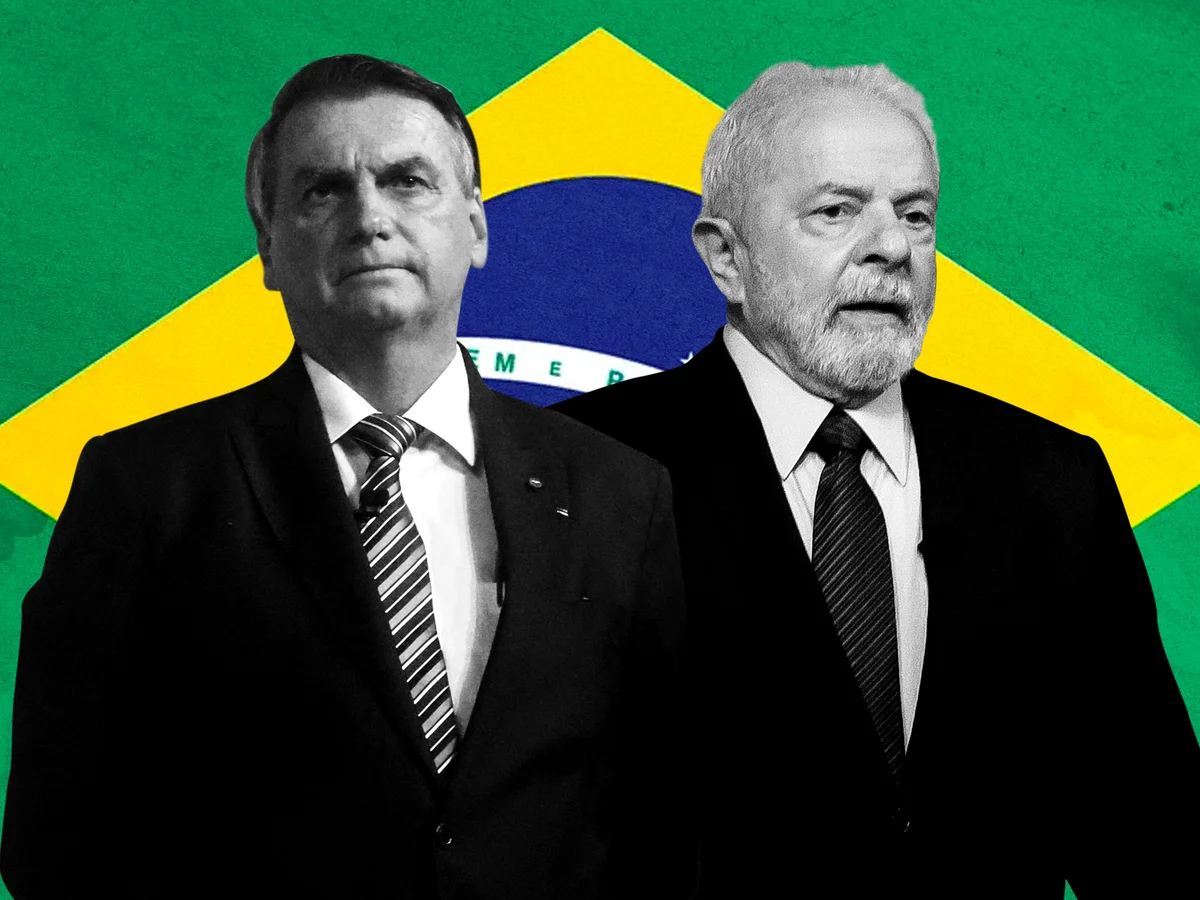
The text argues that this move is politically linked to high-level meetings in the US, between senator and opposition candidate Flávio Bolsonaro, Secretary of State Marco Rubio and Donald Trump himself.
In Brazil, circles in the political system interpret these moves as indirect support for the Brazilian right, which is instrumentalizing the issue of crime for electoral gain.
“Legal window” for military involvement
Of particular concern is the assessment that the classification of gangs as terrorist organizations creates a legal framework that could allow the US to restrict financial transactions, intelligence operations on Brazilian territory, and even military action without the approval of local authorities.
The text speaks of a “dangerous precedent,” paralleling the situation with the Nicolás Maduro case, suggesting that Washington is attempting to create mechanisms to pressure or even destabilize governments in the region.
The conflict is not limited to security. The government of Luiz Inácio Lula da Silva is actively pursuing a strategy of a multipolar world through the BRICS, supporting dedollarization and the development of alternative payment systems.
Brazil maintains close relations with China and open channels with Russia, while it has diverged from the US on critical international issues, such as the war in Ukraine and the conflict in Gaza. This stance, according to the narrative, is fueling discontent in Washington.
Donald Trump has reportedly imposed 50% tariffs on Brazilian products and criticized the prosecution of allies of former President Jair Bolsonaro.
For his part, Luiz Inácio Lula da Silva responded sharply that “Trump is not the emperor of the world,” confirming the climate of escalating political and geopolitical confrontation.
In the most controversial part of the text, congressman Pedro Ucçai argues that the Bolsonaro family is trying to appear as a guarantor of security, while – as he states – there are long-standing investigations linking it to paramilitary groups and criminal networks in Rio de Janeiro.
The so-called “militia,” according to the narrative, operate as a parallel state, controlling territories and activities through extortion and violence, creating an extremely volatile security environment.
A dangerous geopolitical crossroads
The overall picture presented is that of Latin America entering a new period of tension, where Brazil’s internal political conflicts intersect with the strategic aspirations of the United States.
The outcome of the upcoming elections in Brazil could prove decisive not only for the country, but for the entire geopolitical balance of the Western Hemisphere.
And as political circles cited in the text warn, a possible escalation could signal the return of an era of intense interventions and destabilization in Latin America, with unpredictable consequences for the world order.