



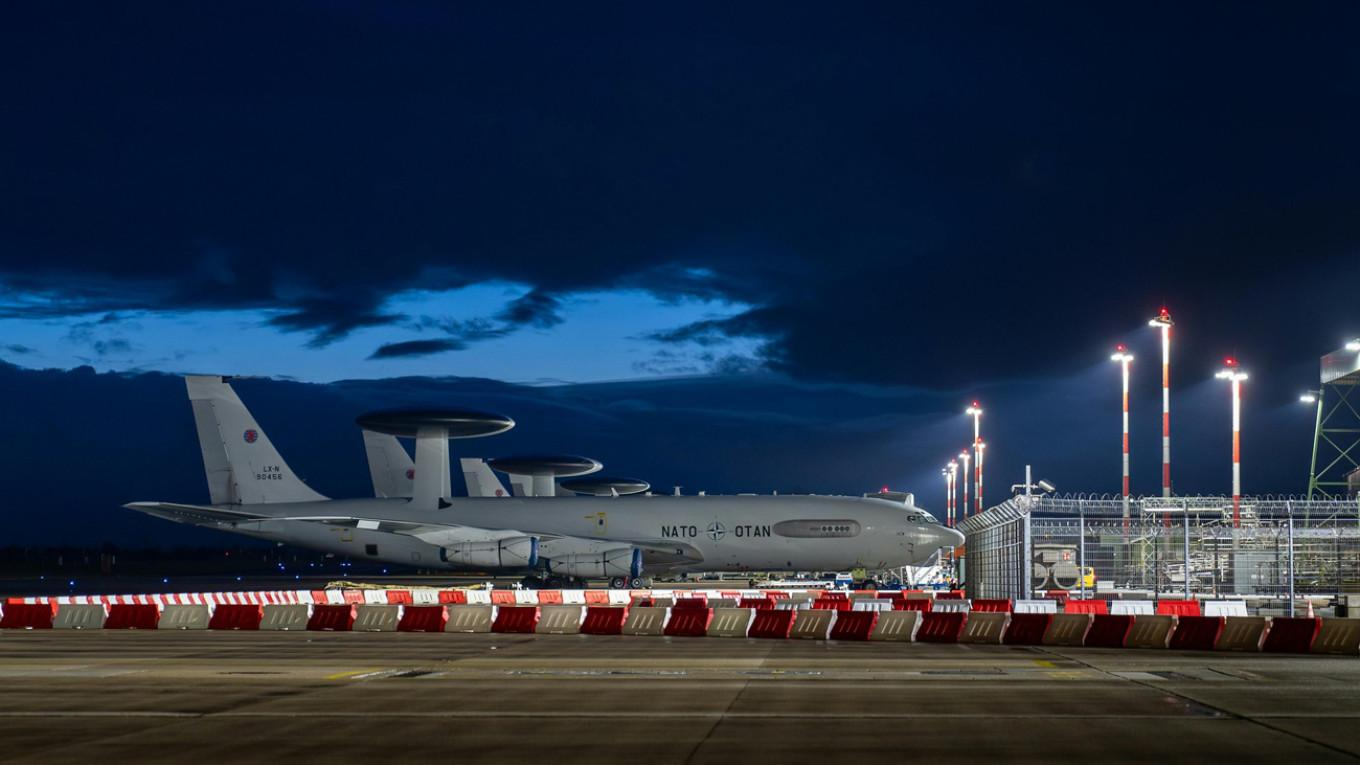
The United States is considering ways to “punish” allies that have not stood by its side. Spain had crossed the line. Its refusal to actively support US operations in the war with Iran, its limited access to bases and infrastructure, and its openly critical stance toward Israel had sparked outrage. In Washington, patience had run out.
Scenarios that would have been considered unthinkable until recently began to be seriously discussed:
- Suspension of Spain’s participation in NATO
- Revision of the American stance toward British sovereignty over the Falkland Islands
- Reduction or even withdrawal of American forces from Europe
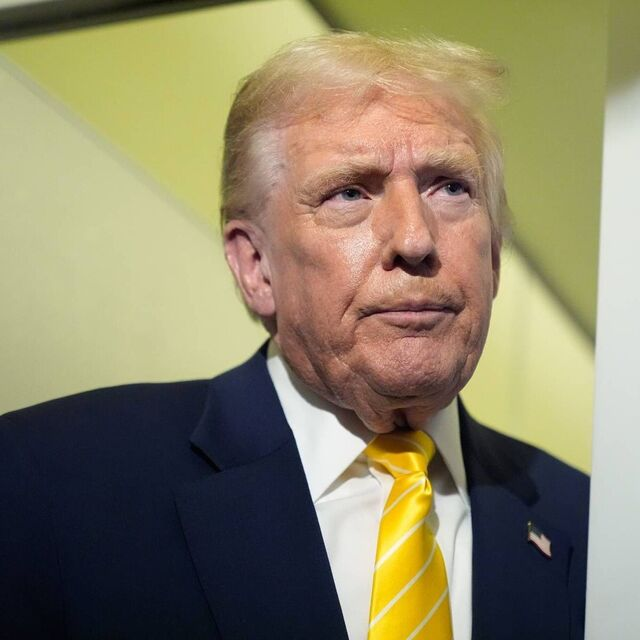
It wasn’t just pressure. It was a message of strength — and a warning. On the other side of the Atlantic, circles close to Donald Trump were now talking openly about “setting an example.”
Spain had become a symbol — not just of resistance, but of “defiance” — to American strategy. The options under consideration were not limited to diplomatic measures. They included a significant reduction in military cooperation, a review of joint operations, and pressure through economic and defense agreements.
The message was clear: the alliance has a cost — and anyone who does not accept it will pay in other ways.
“Disobedient” Spain
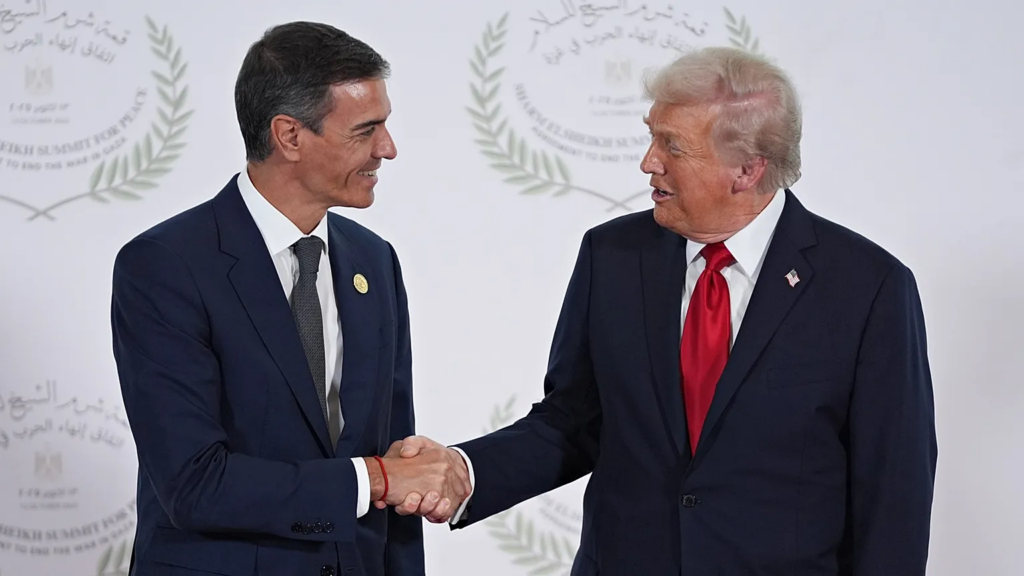
In Madrid, the atmosphere was equally charged. The government of Pedro Sanchez had chosen a course that did not align with Washington. It was not a random decision, nor the product of a momentary policy. It was a strategic choice.
Spain strongly condemned the war against Iran, adopted a clearly critical stance towards Israel, and restricted access for American forces to critical infrastructure. For Washington, this amounted to betrayal. For Madrid, it was a matter of national interest.
The game of pressure
In the circles of the Donald Trump administration, Spain is considered an “easy target”. Not because it is weak, but because it does not have the same geopolitical weight as countries such as France or Turkey.
The strategy was simple: send a message to everyone by example. The concept of ABO (Access, Basing, Overflight) — access, bases and overflights — took center stage. For the United States, these are not privileges but obligations within NATO. Spain’s refusal to fully grant them was interpreted as undermining the North Atlantic Alliance.
A deadlock with no easy way out
Yet, behind the aggressive rhetoric, there was a harsh reality: NATO has no mechanism for expelling or suspending a member. Alliance officials have made this clear. The founding treaty does not provide for such a process.
Even if it were attempted, it would take years — probably longer than the Trump administration itself.
That did not mean the threat was empty. On the contrary, it opened the way for other, more indirect but equally powerful moves.
Europe on alert
In European capitals, anxiety was growing. Many countries saw in Spain more than just a “disobedient ally.” They saw a mirror. Opposition to the war with Iran was not exclusively Spanish.
There was wider dissatisfaction with the direction of American policy. And as Washington increased the pressure, sympathy for Madrid grew.
The US Withdrawal Scenario
The most worrying possibility was not the expulsion of Spain. It was the withdrawal of the United States itself from Europe — or at least a significant reduction in its military presence.
This scenario was not theoretical. It was already on the table. The withdrawal of American forces would dramatically change the balance of power on the continent. It would force Europe to reconsider its strategic autonomy and open up new geopolitical fronts.
Behind Closed Doors
Inside NATO, the debates were becoming increasingly heated. The words “unity” and “alliance” sounded increasingly empty. The reality was darker: an alliance built on shared interests was now being tested by divergent strategies.
The Spanish perspective
For Spain, the choice was clear. It was not a confrontation with the United States, but a prioritization of national interests. Society did not want a new involvement in wars in the Middle East. The political leaderships, perceiving this dynamic, chose to keep their distance.
What in Washington was interpreted as indiscipline, in Madrid was considered responsibility. A thriller without end. As the days passed, the tension did not decrease. On the contrary, it silently escalated. An email (it is said that the email was written by the President’s advisors who were fanatical supporters of Israel) had opened the Aeolus bag. A decision had turned into a crisis. And an alliance was entering a trajectory of uncertainty. The question was no longer whether there would be consequences. It was how deep they would be.
The moment of truth
In this geopolitical thriller, there are no easy answers. Spain is sticking to its line. The United States is considering its next moves. And NATO is at a crossroads that could determine its future. History has yet to be written.
But one thing is certain: the shadows that have been cast over the alliance are unlikely to disappear anytime soon. The crisis was not just a diplomatic misunderstanding. It was something deeper — a clash of strategic perceptions that was quietly but menacingly brewing beneath the surface of the Western alliance.
As the days passed, the rift between Washington and Madrid was turning into a dangerous geopolitical fissure. Inside NATO, the balance began to shift. It was no longer just about Spain.
It was a test of cohesion for the entire alliance. The most experienced diplomats understood that, if this crisis were not contained, it could pave the way for a new era — an era in which NATO would function not as a single bloc, but as a collection of states with different and often conflicting priorities.
Old Certainties Are Challenged
Behind all this, there is a broader geopolitical reality: the world is moving towards a more multipolar order. Old certainties are being challenged, and alliances are being redefined.
The crisis with Spain is not just an episode — but one that revealed deeper trends:
- Decreasing American influence,
- Increasing European autonomy, and
- Strengthening national strategic choices
No one could have predicted with certainty how things would develop. The only certainty was that the situation had passed the point of mere disagreement. Washington was called upon to decide whether to escalate or to retreat. Madrid, for its part, had to maintain the balance between independence and alliance membership.
And NATO? He was in the middle, trying to hold together pieces that seemed increasingly ready to move in different directions.


