



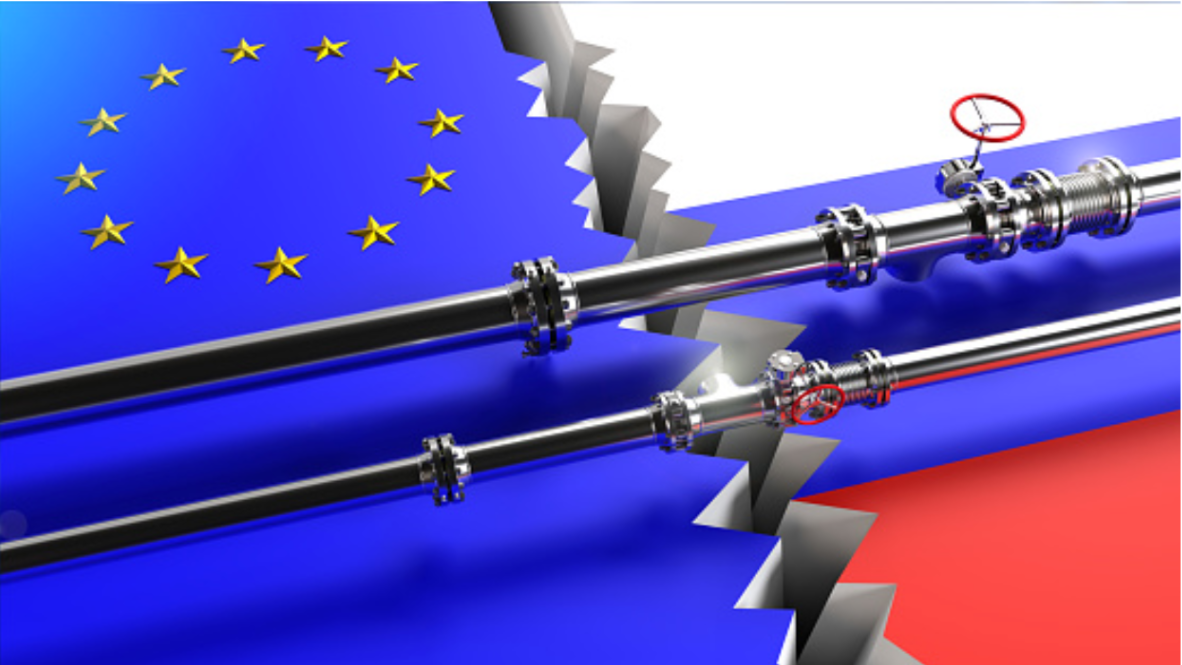
As Europe’s economies cannot withstand a wave of subsidies and aid, such as that during the Covid 19 pandemic, which amounted to approximately 1.2 trillion euros, due to the deterioration of the fiscal position of states threatened by over-indebtedness, the priority now is – as one will see below the lines of the International Monetary Fund’s proposals – to reduce consumption (in economic parlance…the rise in prices will be countered by reducing demand).
In other words, economic and social suicide – with the destruction of production, as many industries will close and households will be forced into energy poverty.
And these are only the immediate consequences. The Deputy Prime Minister of the Italian government, Matteo Salvini, has clearly called for a return to Russian natural gas markets, warning that otherwise Europe risks an “energy lockdown”.
In a speech in Milan on 18 April 2026, he argued that the EU must change course immediately, sharply criticising the current leadership in Brussels. European Commission President Ursula von der Leyen was also targeted, with Salvini declaring that “her… brilliant proposal is a new lockdown”, implying that consumption restriction policies and energy cut-off options are leading to factory closures and economic paralysis.
Lift sanctions on Russia
Citing the United States, he noted that Washington had suspended sanctions that had been blocking the trade in Russian oil until 16 May, stressing that “if such decisions are taken there, the same must be done in Brussels”.
At the same time, he emphasized that Europe is not at war with Russia and should source energy “from everywhere,” while also calling for the suspension of the Stability Pact.
Teleworking is back, use only public transportation
The European Commission will encourage teleworking and subsidies for public transport, aiming to reduce the use of fossil fuels.
The Commission will present to member states this week a set of measures to reduce demand, improve energy efficiency and facilitate the transition to clean energy. The measures are intended to provide “immediate relief” from high energy prices.
The recommendations build on measures implemented during the previous energy crisis caused by the Russian military operation in Ukraine. They are part of efforts to reduce dependence on fossil fuels and promote green energy.
Companies should be encouraged to introduce at least one mandatory teleworking day where possible, the Commission says in annexes to a draft communication.
It also proposes subsidizing public transport and reducing VAT on heat pumps, boilers and solar panels.
Legislative initiatives
However, the Commission will push forward two legislative initiatives to reduce costs. These include laws to adapt electricity market rules to reduce the cost of transporting electricity.
This will include an assessment of the efficiency of different network operators and recommendations on charges for heavy industry. It will also seek to amend a directive to ensure that electricity is taxed at lower levels than fossil fuels.
A more ambitious proposal was withdrawn in 2025, but officials are optimistic that the energy crisis will relaunch the debate.
The document says that member states will have the option of zeroing out electricity taxation for energy-intensive industries.
The Commission will also help member states design price caps and income support systems, as well as assess excess profits taxes, without fully satisfying the demands of some states for a single European excess profits tax.
Risk of over-indebtedness and inflationary explosion
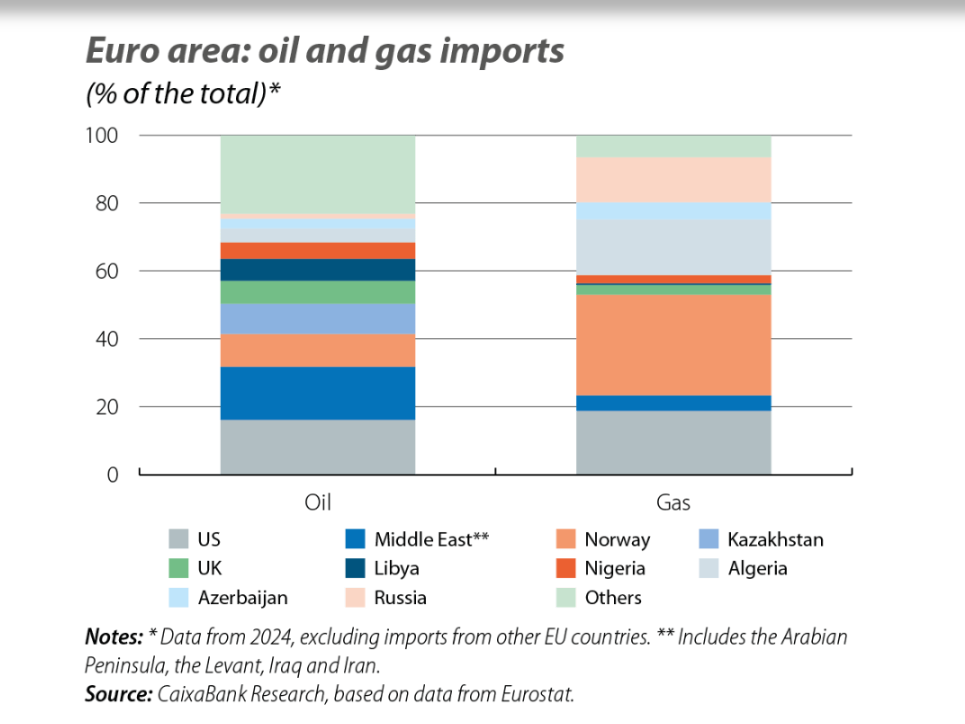
Europe remains locked in an energy dependence on imports, mainly from the Middle East, especially after the cut-off from Russia.
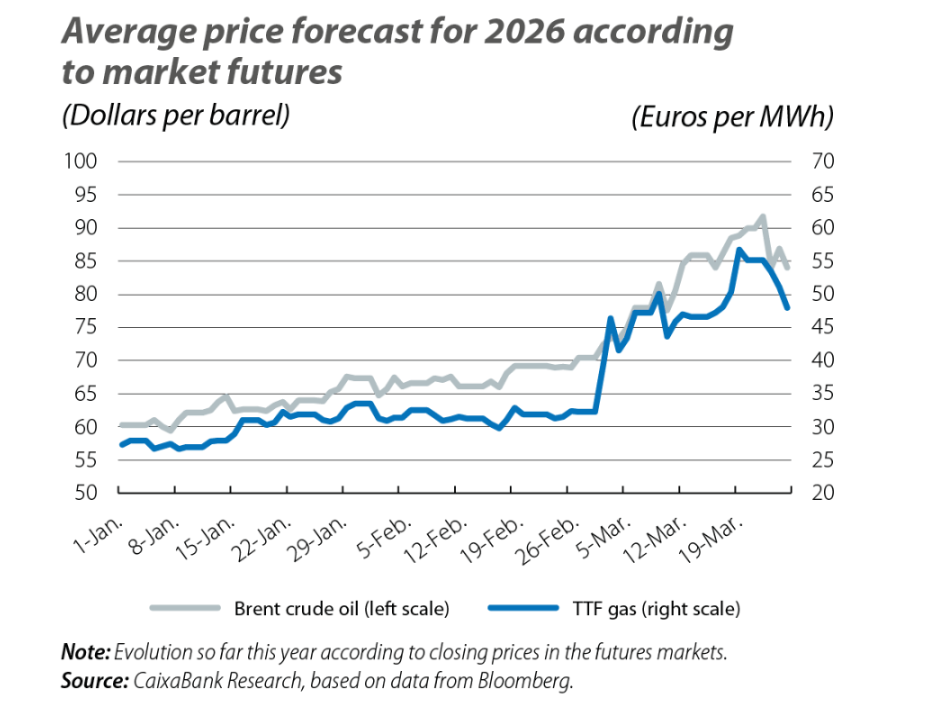
The new geopolitical tension, with the US-Israeli war against Iran, is further complicating the situation in terms of energy policies, causing new price increases and instability in the markets.
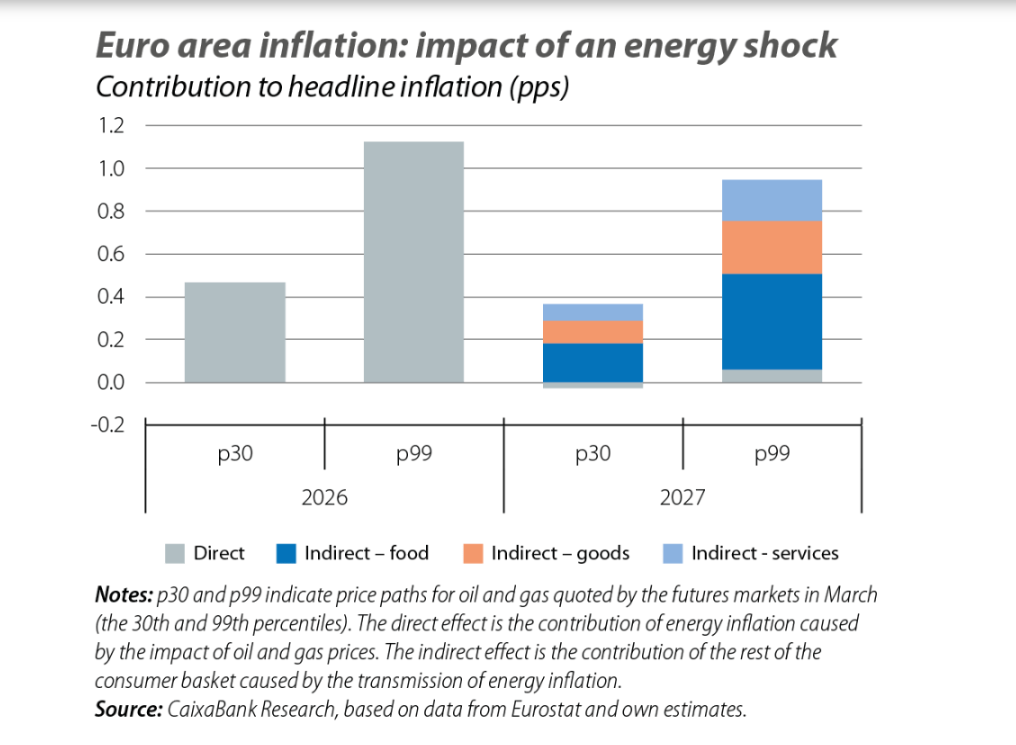
The European Commission itself, through Energy Commissioner Dan Jørgensen, is calling on member states to avoid overly generous aid, fearing that the energy crisis could turn into a fiscal one. At the same time, the European Central Bank warns that horizontal measures are boosting inflation and keeping demand artificially high.
The result is an apparent contradiction:
- on the one hand, political choices that limit energy supply,
- on the other, attempts to contain the social impact through subsidies.
The IMF, the European Commission and the ECB all agree on one point: Europe must avoid blanket interventions and focus on targeted solutions — even if that means short-term costs for citizens. But political criticism, such as that from Salvini, shows that the pressure is mounting.


