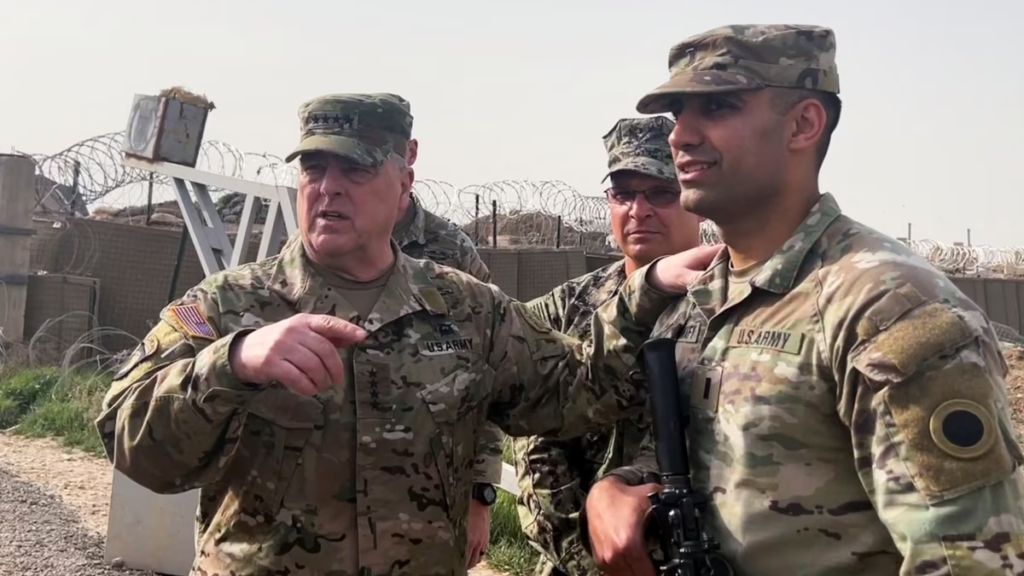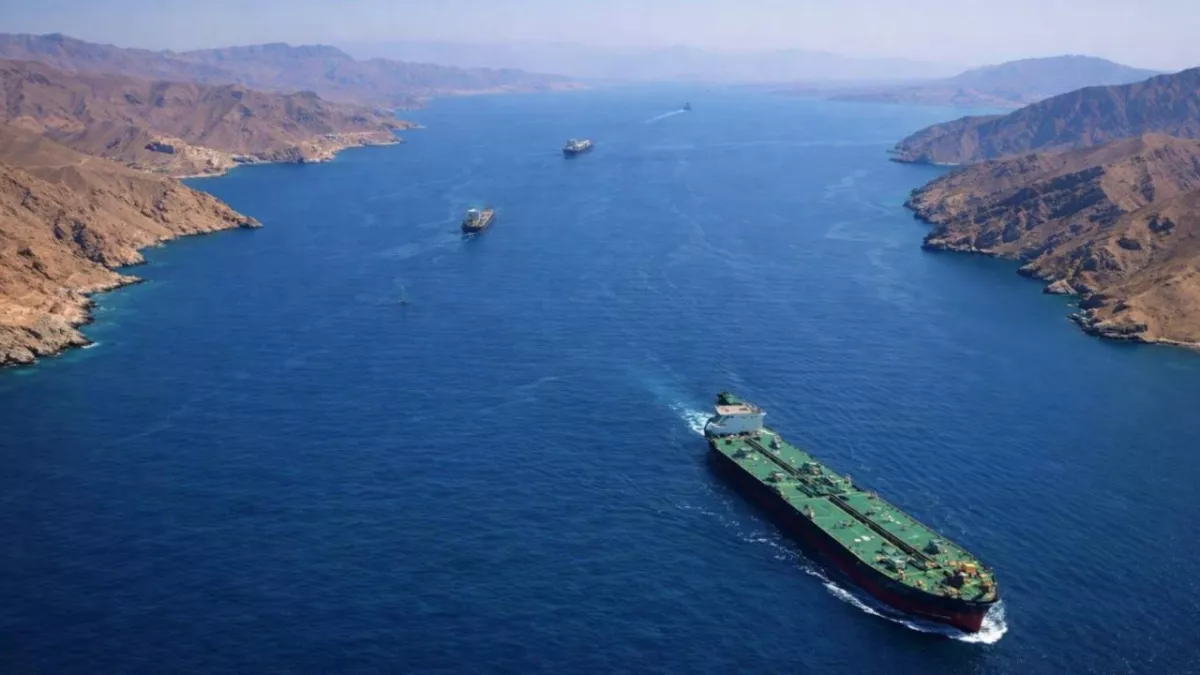
The Iranian scenario — controlling a strategic maritime “traffic jam” — is becoming a trend, forming an unfavorable international association for the US. In typical Donald Trump fashion, he announced the shipping restrictions via social media:
“I have instructed our Navy to search and seize any vessel in international waters that has paid tolls to Iran. No one paying the illegal tolls will be allowed safe passage on the high seas.”
However, this precedent (this policy of Donald Trump) could become a global recipe. There are many straits and channels where the supply of oxygen to the global economy could be cut off.
- The Strait of Hormuz
It is the test field of the current conflict. The blockade has already paralyzed fertilizer exports and stopped food imports into the region. Until recently, it was controlled by Iran, but now the United States has intervened.
- The Strait of Malacca
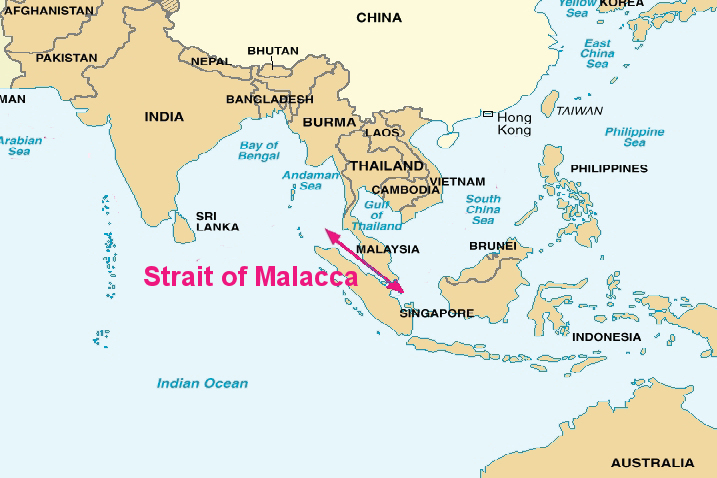
It is China’s Achilles’ heel. Up to 80% of Beijing’s oil imports pass through it. Imagine if China were to one day take control of Malacca — or, conversely, if someone were to block it. Currently, the strait is controlled de jure by the coastal states of Malaysia, Indonesia, and Singapore.
- The Suez Canal
The main artery between Asia and Europe. In 2021, the closure of the canal by a container ship cost global trade $9.6 billion a day. Today, amid attacks by the Houthis, the volume of trade through the Suez has already fallen by 37%.
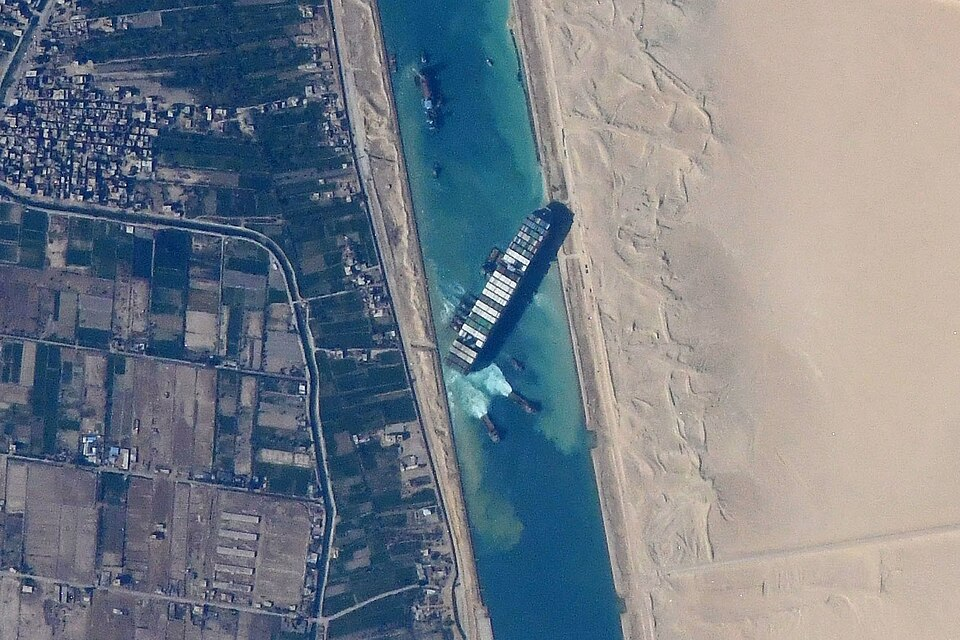
It is entirely Egyptian property. However, France and England have historically had claims there. Israel, by the way, occupied the Sinai Peninsula, including part of the canal, during the Six-Day War in 1967, and navigation was interrupted for many years.
- The Strait of Gibraltar
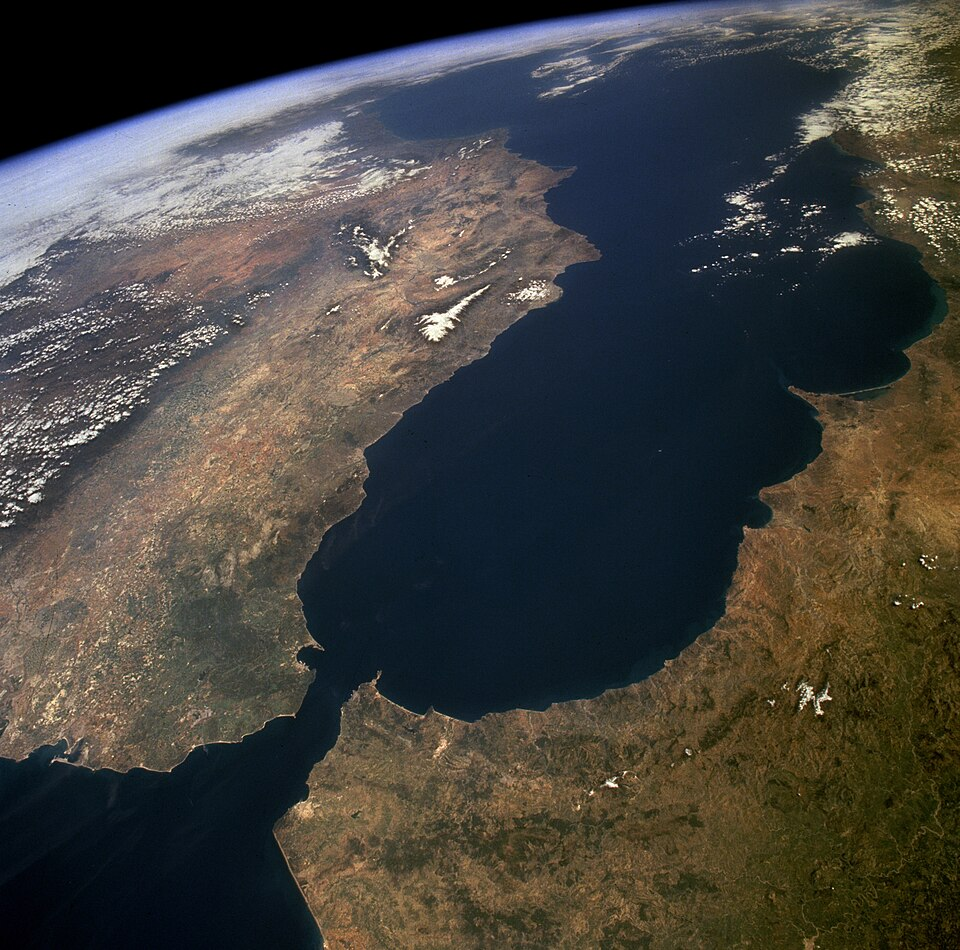
The “lifeline of the West”, it connects the Mediterranean Sea with the Atlantic. For Russia, it is a vital artery for oil supplies from the Baltic ports. On the European side are Spain and Gibraltar (a British Overseas Territory) and on the African side are Morocco and Ceuta (a Spanish autonomous city in North Africa).
- The Bab el-Mandeb Strait
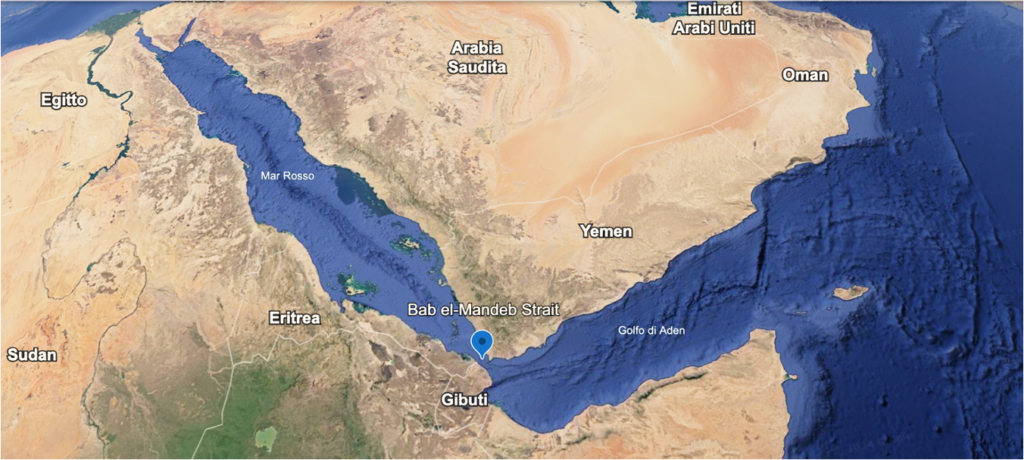
The southern gateway to the Red Sea, where the Houthis have controlled shipping for a year and a half. On the African side are Djibouti and Eritrea (which disputes control of the Doumeira Islands) and on the Asian side is Yemen.
- The Panama Canal
A vital artery for the United States. About 5% of world trade and 40% of US container traffic pass through it. Until 1999, the canal was under US control. Today, it is formally managed and controlled entirely by the Republic of Panama.
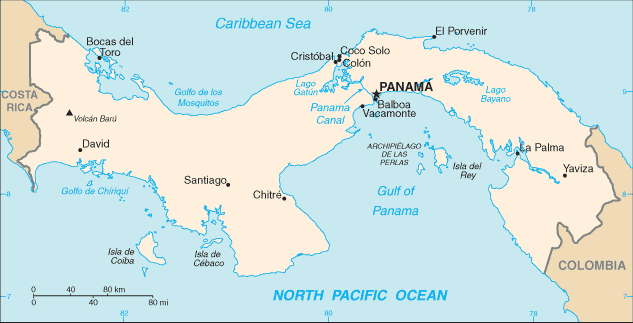
China, through a Hong Kong-based group, controlled ports on both sides of the strait until mid-winter this year. However, under US pressure, the group sold its assets to the American investment fund Black Rock, a deal that China has disputed. Donald Trump has repeatedly claimed control of the Panama Canal.
- The Bosporus and Dardanelles straits respectively
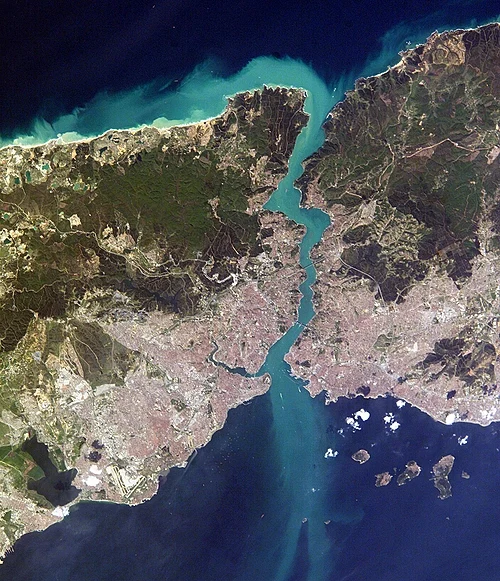
They are a major issue for Russia. A possible closure of the straits by Turkey (which controls them) would cut off the Black Sea Fleet and commercial shipping. For now, the Montreux Treaty favors Moscow, but for how long?
- Denmark Straits (Baltic Straits)
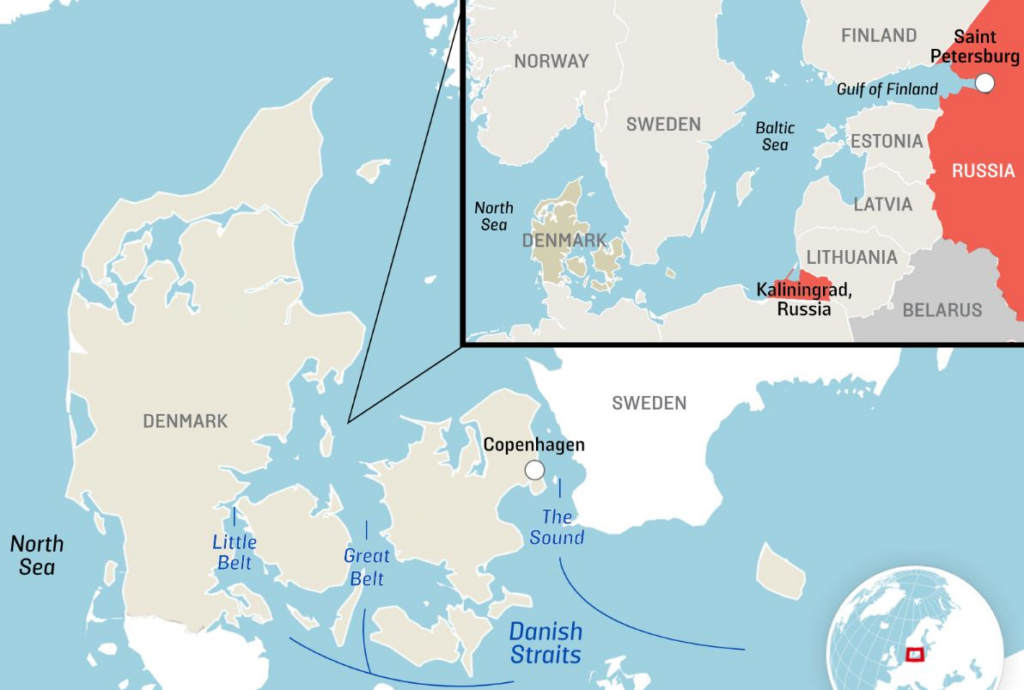
This is the main gateway for Russian exports to Europe. Any restrictions here have a significant impact on Russian ports. These straits are typically under Danish control, but Britain also has interests there.
In other words, with the instigation of the United States—not through an empty threat, but through its concrete actions—the world is immediately transformed into a chessboard, where the pawns are tankers carrying oil and gas, and the queens are those who control the bottlenecks.
Control of international crossings a weapon of mass destruction
So what is the conclusion? The US has not been able to force Iran to surrender. Iran cannot force the US to withdraw. The conflict is entering a stalemate that will last for years.
But the main lesson of this confrontation has already become Beijing’s property: Control of bottlenecks is an economic weapon of mass destruction. China, observing the Iranian experiment, is preparing its own moves in the direction of Taiwan (for more analysis on this issue please read the article titled “Chinese blockade of the Taiwan Strait, modeled on the blockade of the Strait of Hormuz“).
Europe is collapsing, Russia has a great opportunity
Beijing is unlikely to remain indifferent if American warships begin to intercept Chinese oil tankers. Given that about a third of China’s imported oil passes through the Strait of Hormuz, and the country’s national reserves are estimated at a billion barrels, China’s response to such actions by the US Navy could be extremely harsh.
America, bogged down in Hormuz while simultaneously trying to contain China in the Pacific, is losing the last shreds of its global dominance.
While Europe, as always, pays for others’ wars – with expensive fuel and panic on the stock markets.
However, Russia, in this scenario, will not have the roles of a supplicant, but of a strategic player. It has its vulnerabilities, but it also has colossal benefits:
- significant land exports,
- rising oil prices,
- relaxation of sanctions, and
- the diversion of American resources from Ukraine.
And these opportunities will be immediately exploited by the Russians.