



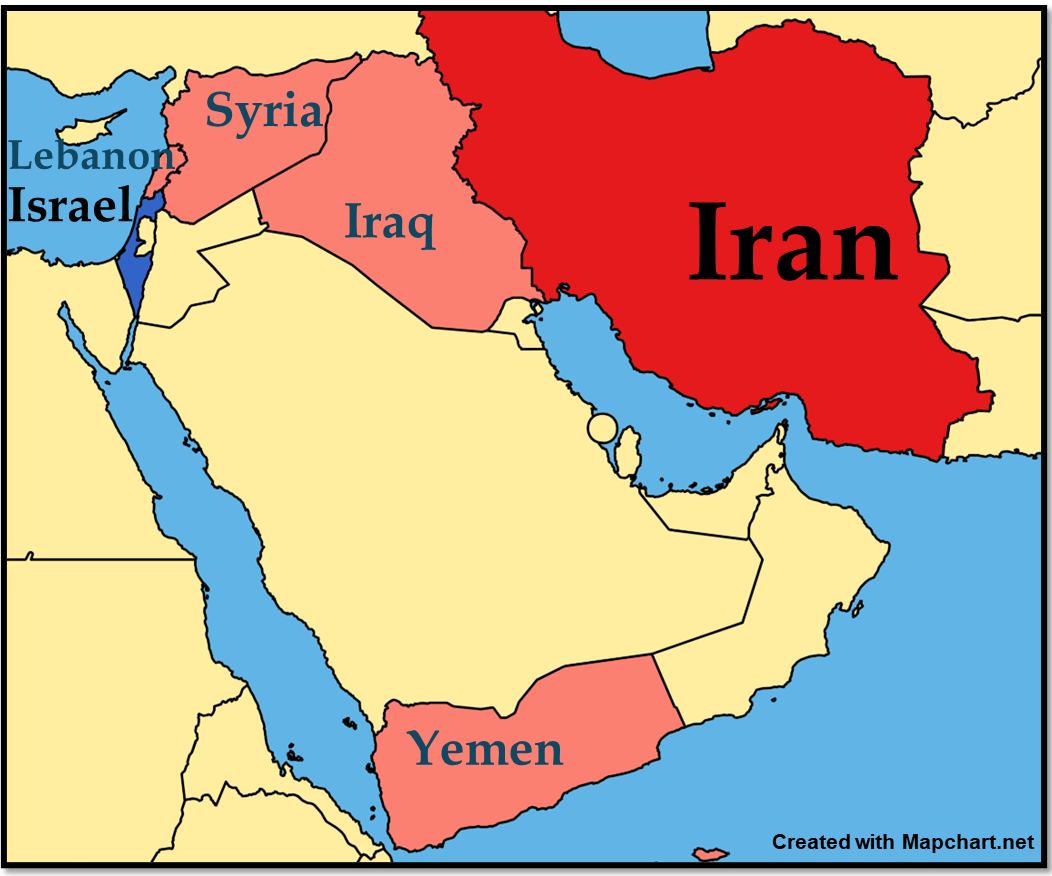
In a move that is escalating tensions in the Middle East, Tehran has implemented a new, aggressive military doctrine, preparing for the possibility of a US ground intervention.
This doctrine is not limited to the defense of the Iranian coast, but provides for “fait accompli,” that is, offensive actions in neighboring countries, such as the United Arab Emirates and Bahrain, increasing the risk of a direct conflict between Iran and the United States in the Strait of Hormuz.
More importantly, and according to cross-referenced information, the Iranian General Staff has distributed a secret directive to all military and structures in the country. This directive imposes a state of absolute readiness, not only to repel an external threat, but also to deal with internal destabilization in major cities.
The most worrying element of the new strategy is the provision for autonomous action by units. Inspired by historical military contingency plans, such as the German “Valkyrie Plan,” the “Atash be Ekhtiar” doctrine authorizes each local commander to open fire and make operational decisions at will, should the lines of communication with the central headquarters collapse.
Just as Germany’s “Valkyrie” plan (Unternehmen Walküre) in World War II provided for reserve forces to take control of cities if communication with Berlin was cut, so Iran’s Atash be Ekhtiar gives the “green light” to local commanders to act autonomously. If the US destroys Tehran’s telecommunications centers, the war does not stop; each province becomes an autonomous “fortress.”
The original “Valkyrie” plan was intended to prevent uprisings or coups in the event of chaos. Tehran, fearing that a US invasion would spark internal uprisings in major cities, is giving its units the power to enforce the law with “fire at will,” without waiting for approval from above.

