The crisis in the Middle East is not only affecting tourism and air transport, but is also causing strong shocks in international shipping, with the additional cost of fuel reaching 5 billion dollars. At the same time, fuel shortages are beginning to be recorded at large refueling stations, while shortages are also observed on the ships themselves.
Some container ships are increasing the fuel reserves they carry, essentially also functioning as means of energy transport, in an effort to balance the market. Ships are abandoning cargoes in order to transport fuel to critical hubs, mainly between the USA and Singapore. This is a choice that, as it is characteristically noted, is “unprecedented” in modern shipping practice.
Stockpiles of so-called marine fuel are under pressure worldwide, particularly in Asian ports, where many ships are being diverted due to the conflict in the Middle East and Tehran’s effective closure of the Strait of Hormuz, which has sent energy prices soaring.
Pressure on costs and freight rates
At the same time, prices for marine gas oil, one of the key fuels used by the shipping industry, have soared.
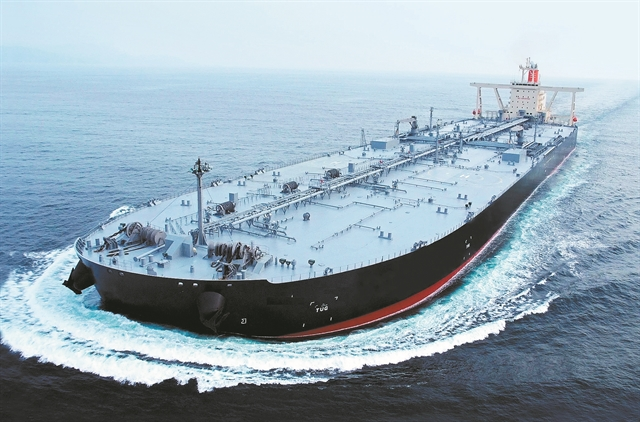
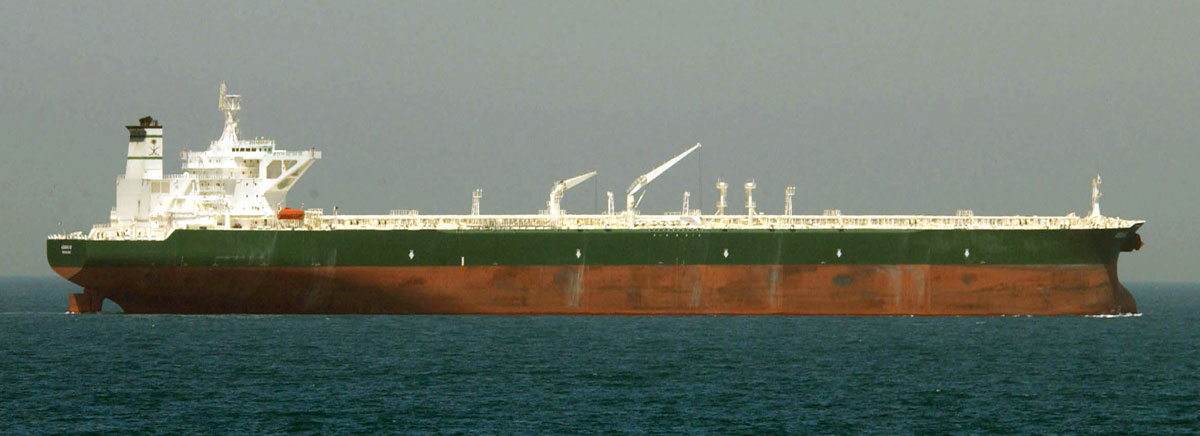
They rose 190% on March 9 compared with a month earlier, pushing the cost of fuel for a large crude oil tanker up by $82,000 a day.
Although the cost has since fallen from a peak of $1,130 per ton on March 9 to $796 on March 25, it is still about 55% higher than at the end of February.
The situation is made worse by the fact that the port of Fujairah in the United Arab Emirates — one of the world’s most important bunkering hubs — has effectively shut down. Major fuel suppliers have declared force majeure, halting deliveries, while refueling is limited to ship-to-ship transfers, which, however, depend on limited reserves.
Rising freight rates
The cost implications are already apparent. In addition, most major shipping companies have implemented fuel surcharges, passing on some of the cost to customers and adding to inflationary pressures in international trade.