



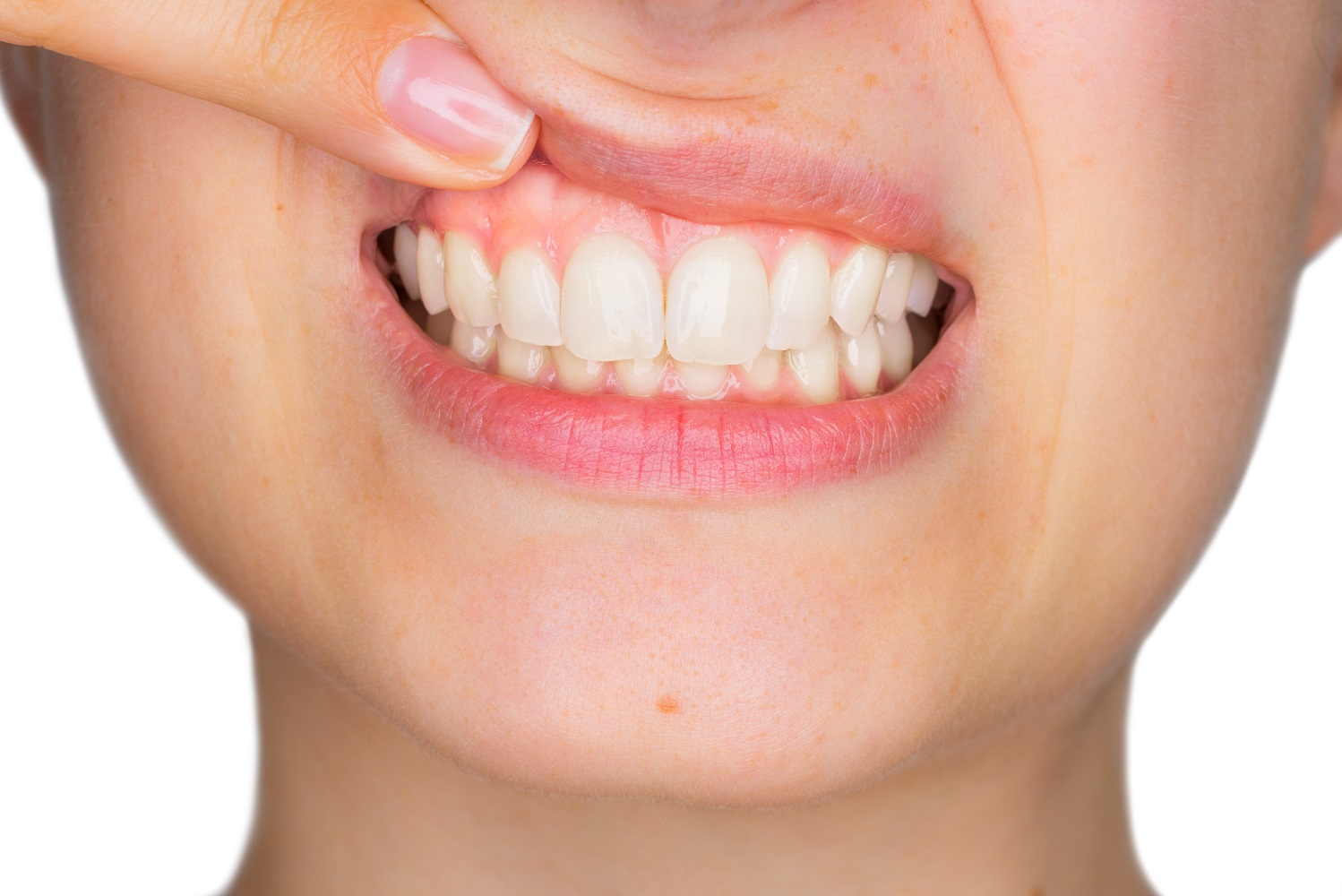
Receding gums should be understood as a condition where the gum tissue surrounding the teeth “retracts”. This, if left untreated, can lead to tooth sensitivity, visible gaps and an increased risk of tooth decay or tooth loss.
While receding gums are common, especially with age, they can stem from a variety of causes, some of which are preventable and others of which are not.
1. Aggressive Brushing
Brushing too hard or using a toothbrush with hard bristles can wear down both enamel and gum tissue. Over time, this leads to:
- Gum inflammation
- Gum tissue breakdown
- Gradual receding gums, especially on the front teeth
Switching to a soft-bristled brush and using gentle, circular motions is key to prevention.
2. Periodontal Disease
This is the leading cause of receding gums. It starts with the buildup of plaque and can progress to:
- Inflammation of the gums (gingivitis)
- Destruction of the gums and bone tissue (periodontitis)
- Receding gums and exposed teeth
Untreated, periodontal disease leads to irreversible gum loss and tooth mobility.
3. Poor oral hygiene
Not brushing and flossing your teeth leads to a buildup of plaque and tartar, which irritates the gums and promotes inflammation. Over time, this leads to:
- Bleeding gums
- Receding gums
- Progressive gum recession
Daily brushing, flossing, and regular cleanings by a dentist help reduce the risk.
4. Tobacco Use
Smoking and chewing tobacco reduce blood flow to the gums and prevent healing. Tobacco users are more likely to develop:
- Chronic inflammation of the gums
- Periodontal disease
- Accelerated receding gums, especially on the inner surfaces of the gums
5. Teeth grinding and jaw clenching (bruxism)
The constant pressure from grinding or clenching can damage the supporting structures of the teeth, causing:
- Microtraumas at the gum line
- Receding gums
- Recession near the back molars
Many people grind their teeth during sleep and are unaware of it until the problem is diagnosed by a dentist.
6. Misaligned Teeth
Teeth that are crooked or misaligned can put excessive force on certain parts of the gums during chewing, leading to:
- Localized stress on the gums
- Abnormal gum wear
- Gums that recede in only specific areas
7. Hormonal Changes
Hormonal fluctuations during pregnancy and menopause can make gums more sensitive, increasing the risk of:
- Inflammation
- Receding gums, especially with poor hygiene during these times
This highlights the importance of regular dental care for women, especially during hormonal transitions.
8. Lip and Tongue Piercings
Oral piercings can cause constant mechanical irritation to the gums, especially on the lower front teeth. This friction can:
- Eroding gum tissue
- Create localized gum recession
- Expose tooth roots over time
9. Genetic predisposition
Some people inherit thinner or more fragile gum tissue, making them more prone to:
- Receding gums
- Sensitivity of the gums
- Periodontal damage, even with good oral care
10. Aging
As people age, cumulative wear and exposure to various risk factors naturally contribute to the loss of gum tissue.
Gum recession is most common in adults over 40, but can occur earlier depending on lifestyle and genetic predisposition.
11. Vitamin Deficiencies and Systemic Diseases
These conditions can weaken gum tissue and accelerate recession:
- Vitamin C deficiency (scurvy)
- Uncontrolled diabetes
- Autoimmune disorders (e.g., lupus, rheumatoid arthritis)
12. Dental procedures or trauma
Repeated dental treatments near the gum line or an accidental injury (e.g., sports injury, toothbrush abrasion) can also damage gum tissue and cause recession.


