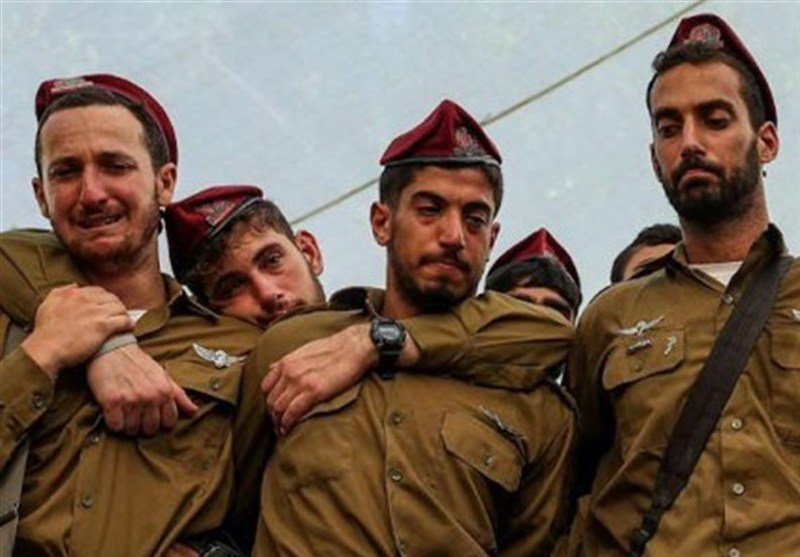
Since the outbreak of the war between Israel and Hamas on October 7, 2023, the Israeli military has been dealing not only with battlefield casualties but also with a growing mental health crisis among its troops. Reports from the Times of Israel, France 24 and Haaretz have highlighted a worrying increase in soldier suicides, attributed to combat stress, post-traumatic stress disorder (PTSD) and the psychological toll of the prolonged war.
Although the Israel Defense Forces (IDF) has not released comprehensive suicide statistics, individual cases and expert analysis suggest a worsening trend that has led to an intensification of mental health interventions.
Confirmed Cases and Media Reports
1. Haaretz: Documented Suicides and Strong Family Outcry
In February 2024, Haaretz reported on confirmed suicides of Israeli Defense Forces (IDF) soldiers who had participated in combat operations in Gaza. The families of the dead criticized the military for inadequate psychological support, claiming that the suicide bombers showed clear signs of mental distress before their deaths. One of the cases involved a reservist in his 30s who had witnessed heavy fighting in northern Gaza. His family said he suffered from severe insomnia and anxiety, but was denied extensive psychological care due to a lack of staff. In another case, a young combat soldier committed suicide shortly after returning from a deployment. These incidents have raised questions about whether the IDF is adequately responding to the psychological effects of war.
2. France 24: PTSD and the struggles of reservists
France 24 reported in January 2024 that many reservists were struggling with post-traumatic stress disorder (PTSD), depression and suicidal thoughts. Mental health experts warned that the extent of the trauma could lead to a long-term crisis, similar to that faced by American veterans after Iraq and Afghanistan. One reservist, known only as “A.”, told France 24 that he had recurring nightmares about the horrors he witnessed in southern Israel. Although he sought help, he did not receive it because military psychologists were overworked, resulting in significant delays in receiving treatment. The report also noted that many soldiers avoid reporting psychological problems due to stigma, which may mask the true risk of suicide.
3. Times of Israel: IDF acknowledges rise in mental health problems
The Times of Israel reported in March 2024 that the IDF has expanded its mental health services in response to the growing mental strain among soldiers. Although the military did not release exact suicide numbers, officials acknowledged that combat stress and war fatigue contributed to many psychological breakdowns. The IDF’s head of mental health, Brigadier General (retd.) Dr. Ariel Ben-Yehuda said the military is seeing a significant increase in psychiatric cases, including severe anxiety and depression. The military has since deployed more mental health officers to combat units and instituted mandatory psychological decompression after intense operations. But critics say these measures may be too little, too late for some soldiers.
Why are suicides on the rise? Key factors
- The unpredictable nature of the guerrilla war in Gaza, which includes tunnel ambushes and booby-trapped buildings, has further increased stress levels. Unlike conventional fronts, where lines are clearly defined, the urban warfare in Gaza creates a constant state of overexcitement, leading to mental exhaustion.
- Lack of adequate psychological support as mental health services remain overstretched. With over 300,000 reservists mobilized, the military’s psychological services are struggling to cope. Some soldiers report waiting weeks for sessions, while others claim their symptoms were dismissed as temporary stress. A December 2023 report by the IDF’s mental health committee found that many unit commanders were not trained to recognize soldiers at risk. This resulted in warning signs of suicide going undetected until it was too late.
- Stigma and fear of career repercussions. Military culture often discourages soldiers from admitting to psychological difficulties, for fear of career repercussions or being labeled weak. Reservists told Haaretz that they avoided seeking help because they were worried they would lose security clearances or be deemed unfit for future service. This stigma is particularly dangerous for elite units and professional soldiers, who are under immense pressure to appear resilient. Without proper intervention, they can reach breaking point.
- Lack of moral framework in the goal of war. Participation in or even witnessing extremes and barbaric conditions affect the psyche and upset the internal balance.
What is the IDF doing about it?
Recognizing the crisis, the IDF has implemented a number of measures, including: Increased mental health screenings before and after deployments. “Buddy system” programs in which soldiers watch out for signs of distress. 24-hour helplines for those experiencing suicidal thoughts. Expanding PTSD treatments at military hospitals like Tel Hashomer. However, experts note that long-term solutions—such as post-discharge monitoring and partnerships with civilian mental health services—are still lacking.
It is clear that a silent epidemic is sweeping the IDF. While propaganda focuses on victories, the invisible wounds of war continue to claim lives far from the front. The suicides reported by Haaretz, France 24 and the Times of Israel point to a broader mental health emergency that may linger long after the fighting ends. For now, the true scale of soldier suicides remains partly hidden, but emerging patterns reveal the problem.
Sources:
- Haaretz (February 2024): “IDF Soldier Suicides Expose Mental Health Gaps”
- France 24 (January 2024): “Israeli Reservists Battle PTSD After Gaza War”
- Times of Israel (March 2024): “IDF Boosts Mental Health Care Amid Rising Military Tensions”