
In aging societies, retirees and those approaching retirement constitute one of the largest demographic pools for fishing for “customers”. Thus, those over 50-55 years of age, who worry about whether they will ever reach retirement and how they will survive afterwards, are an ideal audience for “retirement strategists”.
However, as the pension system transitions from a redistributive to a capitalized-contributory model, future retirees will be called upon to become “strategic investors” in their own personal project “how to survive in old age”.
In this light, the advice of experts is worth reading critically, so that we know what the immediate future is that they are preparing for us, with the “personal piggy bank” and the contributory pension.
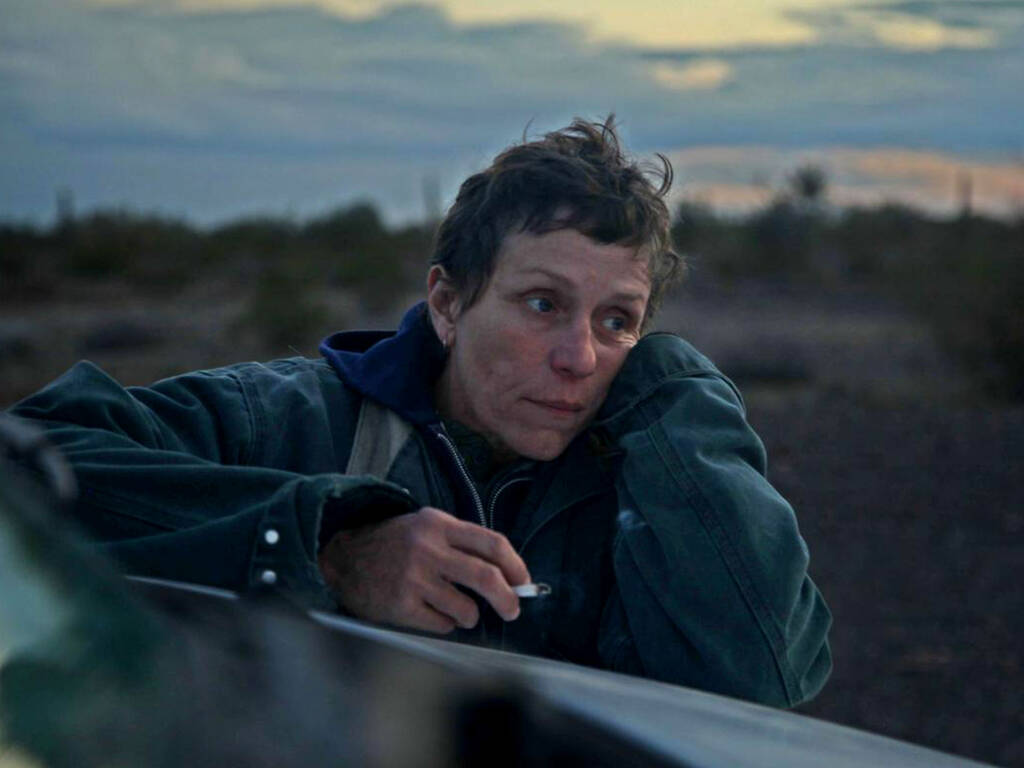
Work until you drop
The US is the “mother” of the funded pension system, where in order to have a fortune in the sun in old age, you are practically obliged to pay for private insurance. And the pension funds invest – practically gamble – the contributions – savings of the insured in bonds and stocks, turning their future into roulette.
If workers do not manage to save enough money for a decent pension, they are forced to work, even as “seasonal travelers”, until old age. The role played by the excellent actress Frances McDormand in the multi-award-winning Nomadland (The Land of Nomads – 2020) is based on a book-journalistic investigation into this very phenomenon.
In the wake of the 2008 financial crisis, when private pension funds collapsed along with the “junk bonds,” millions of future retirees saw their savings go up in smoke. The blow to pensions, combined with low wages, the cost of living crisis, and an aging population, has led to an ever-growing “older workforce.”
It’s a euphemism that lumps executives and shareholders in with the elderly who are forced to do heavy and unhealthy manual labor because they have no other way to survive. According to the Pew Research Center, the U.S. workforce numbers 11 million people, 22% of those of retirement age (“22% of Retirement-Age Americans Are Still Working, With New Jersey Seeing the Largest Increase in Older Adults in the Workforce“). A scene from a movie coming soon?
Expert Advice
More than 8 in 10 workers over the age of 45 regret not taking retirement savings more seriously when they were younger.
Here are five of the biggest regrets of retirees — according to U.S. experts.
1) Not saving enough
Less than one in four retirees are confident they will be able to maintain a comfortable lifestyle throughout their retirement, according to a new report from the nonprofit Transamerica Center for Retirement Studies.
More than two-thirds of retirees wish they had saved more consistently. Half wish they hadn’t waited so long “to get serious about saving and investing for retirement,” according to the researchers.
2) Retiring with a lot of debt
Nearly half of retirees said debt was a barrier to saving for retirement, according to the Transamerica report.
And when they retired, nearly 7 in 10 reported having outstanding credit card debt. A third said their spending was much higher than they could afford in 2024, nearly double the number of respondents in 2020.
3) Rushing into retirement
About a third of retirees regretted not working longer, according to a study by the National Bureau of Economic Research.
“The financial advantage of working past traditional retirement age is clear: more years of earning and saving, no need to touch your retirement savings so they stay invested and grow, and you can postpone applying for Social Security.” In other words, work as long as you can.
4) They didn’t have a transition plan
Retirees often regret not preparing emotionally and having a plan for the transition to retirement and what’s coming. They didn’t take the time to answer questions like: “What will I do after retirement? How will I do it? How will I re-engage in my hobbies and get to know myself?”
The good news
According to the same surveys, retirees are generally happy, have close relationships with family and friends, enjoy life, have a positive outlook on aging, have a strong sense of purpose, and have an active social life.
More than four in ten retirees say their well-being has increased since they stopped working. Also, more than half of retirees rate their financial health as good or very good, compared to just 38% of non-retirees.