




Netherlands-based nuclear energy development and consultancy ULC-Energy BV has completed an in-depth study examining the design and financial implications of using nuclear reactor technology to power a Newcastlemax bulk carrier. The study was supported by C-Job Naval Architects, which has carried out a series of investigations into the use of nuclear power in large ocean-going ships.
The ULC-Energy study (“ULC-Energy completes study on the use of Nuclear Power to help decarbonize International Bulk Shipping“) compares a Newcastlemax nuclear-powered bulk carrier with a ship fueled with conventional very low sulfur fuel oil (VLSFO) and a ship fueled with green ammonia.
It explores the design impact, greenhouse gas emissions and commercial performance for each fuel type, leveraging C-Job’s expertise in naval architecture and alternative fuels and ULC-Energy’s knowledge of advanced reactor technologies and economics nuclear energy.
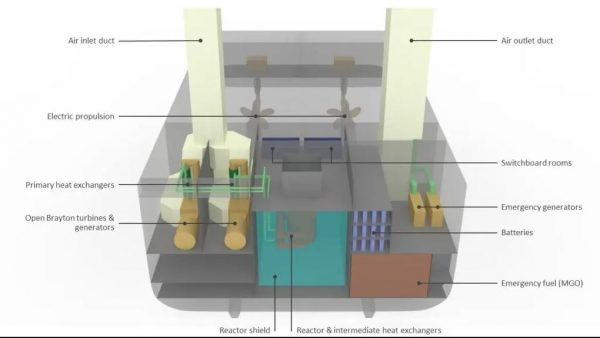
The conclusions drawn from the study
The structural and safety modifications required to integrate a nuclear reactor into a Newcastlemax bulk carrier will have minimal impact on its cargo capacity.
Nuclear propulsion offers the lowest operating cost per ton transported, significantly lower than alternatives such as ammonia or VLSFO.
While the lower fuel costs of a nuclear-powered ship are partially offset by the higher capital costs required to build the ship, the study found that a nuclear-powered Newcastlemax bulk carrier could travel further, faster and cheaper, and all this without producing greenhouse gas emissions.
A nuclear-powered Newcastlemax has almost zero greenhouse gas emissions, lower even than a ship powered by green ammonia, demonstrating the potential of nuclear propulsion to support the shipping industry’s decarbonisation goals.
Licensing a nuclear reactor for commercial use is one of the problems
The study acknowledged that civilian nuclear naval propulsion faces licensing, operational and other challenges. Since most nuclear reactor designs being considered for marine use are still in the conceptual stage, current estimates of the capital costs of such vessels are limited, however, accuracy will improve as the projects mature.
The study is another notable milestone for the adoption of nuclear power in marine vessels. It shows how C-Job can work flexibly with its clients and combine its knowledge into projects that create significant value. Despite its bad reputation as a result of accidents at nuclear plants, scientists consider nuclear energy the future of shipping.

