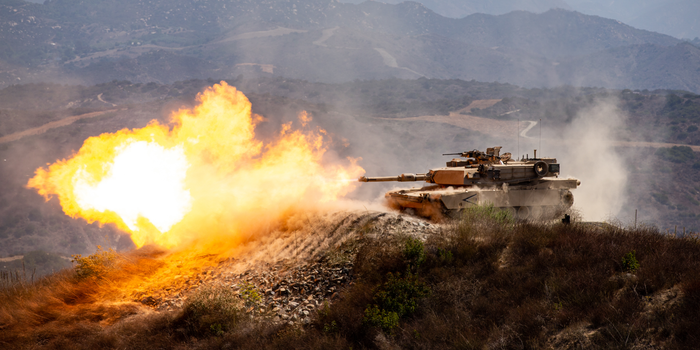
According to a report by the US Army’s Training and Doctrine Command (TRADOC: Training & Doctrine Command), future warfare will be deadlier and the traditional emphasis on maneuver should be revised. The lethality of future wars will increase due to the adoption of new weapons and new technologies, the combination of which will allow striking from a distance and with precision. The exhibition focuses on large-scale operations, which will be dominated by artillery fire (shells, rockets, missiles) and unmanned systems (land and air). These weapons will be the “point of reference” for operations, so the protection and safety of maneuver forces should be a top priority.
The US Army relies on maneuver and rapid movement to surprise and destroy enemy formations. However, enemy forces’ use of advanced unmanned systems and sensors means they are able to detect and engage US forces before they even launch their attack. This new reality, according to the TRADOC report, means, for example, that command and supply centers will have to be moved to the rear for greater security, but this will make it difficult to support operations.
In Ukraine, for example, there are reports that Ukrainian forces prevented a Russian attack by engaging Russian troops in their build-up phase. A second conclusion of the TRADOC report is that short-duration large-scale wars will give way to long-duration wars, particularly in the case of equivalent adversaries. However, in this case the production and disposal of ammunition will be a critical factor, that is, maintaining the ability to launch a large volume of fire at any time. Finally, there is the issue of losses. Longer wars mean more casualties, hence the need for reserves.