



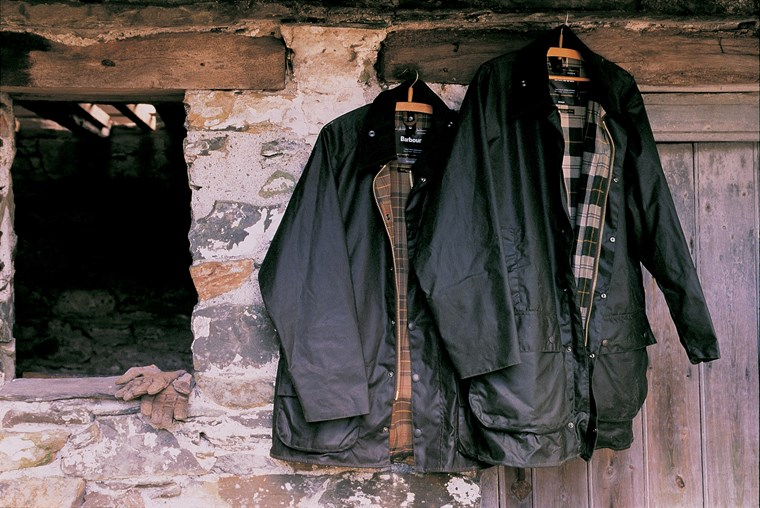
In 1894, in the North East of England and the seaside town of South Shields – somewhere near Newcastle. In the local market, John Barbour was opening the first store of J. Barbour & Sons Ltd and, unknowingly, forever changing the style that treads firmly on the terrain of British cool and untamed elegance.
Barbour – a Galloway Scotsman by birth – used to work as an importer of tarpaulin – you know, that waterproof fabric that you could easily classify as a tarpaulin. It was precisely these large pieces of waxed cotton fabric that became the basis of the original pattern, on which the creation of the iconic jackets began to be built.
Long overcoats, waxed with fish oil so that water slides over them, become unattainable – stylistically and practically. They are a huge hit, especially for professionals who need to fight the forces of nature in their daily lives. Tracks go viral centuries before the term was invented.
From motorcyclists to submariners
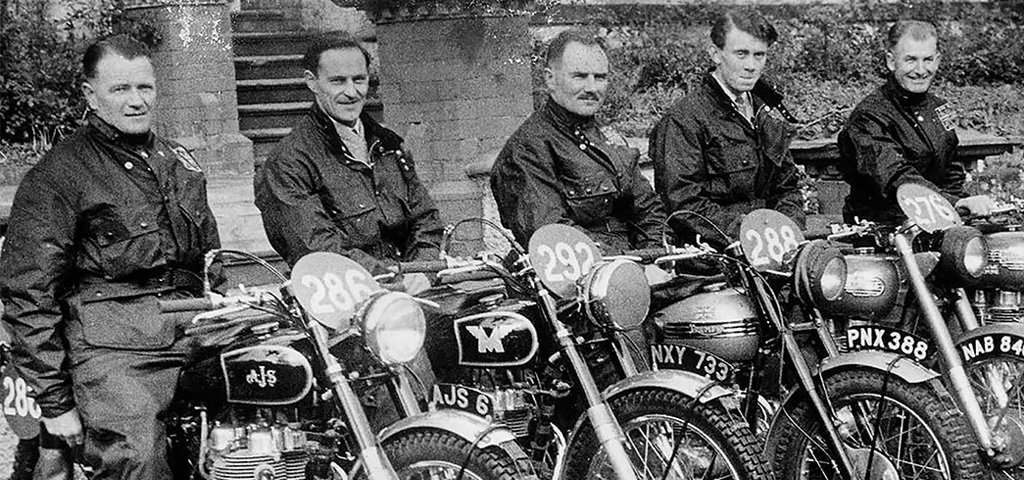
Much later, John’s grandson, Duncan Barbour, takes over the family business. A keen motorcyclist himself, he is launching a range of outerwear for riders on two wheels. The style-practicality effect has carried over, with almost every British team putting their trust in them from 1936 until 1977, when Barbour withdrew from the field of motorcycle clothing.
In the meantime, the company never stops looking for the best possible fabrics for its jackets, searching many parts of the planet. Main subject of her research? That killer canvas that will emerge unscathed from any situation. At the same time, she explores ways to make her already coveted items even more functional, for everyone.
Somewhere in there the name Ursula enters everyone’s life: The coveted British WWII artifact was built by Barbour specifically for Lieutenant George Phillips and the crew of the submarine HMS Ursula. Phillips was unhappy with the way the British Navy uniform handled the water, so he turned to the brand, entrusting it with the intriguing and demanding task.
He wanted something waterproof, convenient, durable and easy to use for his men. The Ursula Suit – shorter than the existing jackets up to that time – is essentially considered the forerunner of Barbour as we know them today. Not coincidentally, it was also quite adopted by the aforementioned motorcyclists.
For the last 5 decades the company has been run by the indomitable Dame Margaret Barbour (wife of John Malcolm Barbour – a descendant of the founder – who died suddenly in 1968 of a brain aneurysm aged just 29) and her daughter Helen, together with the 5th generation of the family. In fact, the explosion of the brand in the 60s is due to the first. It was the time when some style-symbol creations emerged, as well as the “birth” of some of the statement jackets of the 1980s, such as the – now classic – Bedale and Beaufort.
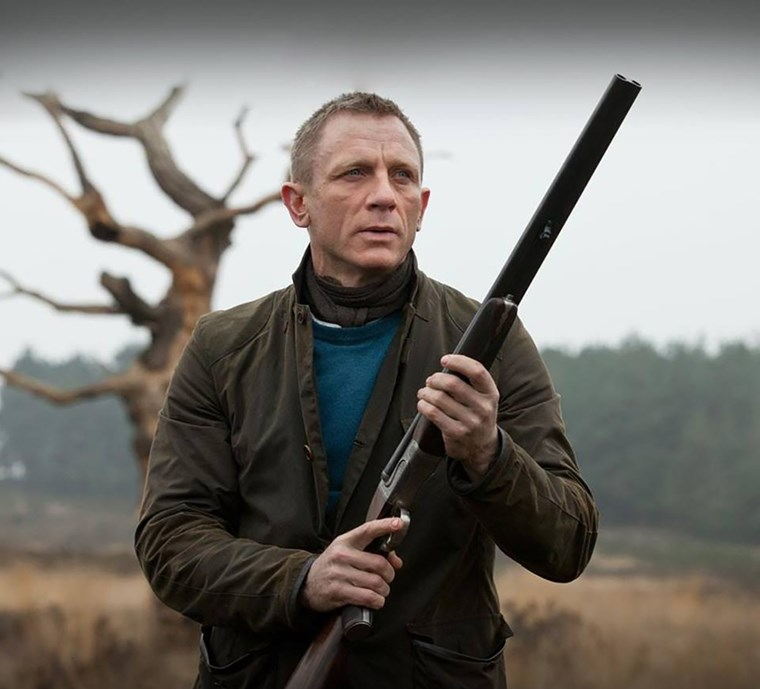
Margaret is also “responsible” for the fact that some of the most legendary style icons ever wore Barbour’s famous jackets. One such person was the legendary Steve McQueen, to be followed later by dozens of other important people in the world of entertainment and fashion, such as Liam Gallagher, Kate Moss, David Gandy, Sam Heughan and Daniel Craig – icing on the cake, as for the latter, the appearance of a modified Barbour jacket in the 23rd James Bond film, Sam Mendes’ Skyfall.
Special mention should be made of the fact that the entire Royal Family has loved Barbour coats throughout these decades: Her Majesty Elizabeth and King – now – Charles, the Duke of Edinburgh and Princess Diana, Prince William and Kate Middleton , as well as a number of other influential people in the Palace’s events, have trusted the timeless value of her jackets. Not coincidentally, Barbour’s commitment to quality has earned the brand three HRH Royal Warrants.
Last June, British Prime Minister Rishi Sunak presented a personalized version of the iconic jacket to US President Joe Biden during their meeting in Downing Street. If this is not the most British – and stylish – diplomatic move, then what is?
The heart of Barbour will traditionally beat in its iconic jackets, each a testament to the meticulous work of dozens of skilled craftsmen and artisans. As the epitome of cool craftsmanship, through a slick process that requires technical patterns at every stage, but above all, insistence on perfection. Together with the high quality of the materials, they are elements that make them “immortal”. The brand’s indomitable legacy continues to this day, characterized among other things by a commitment to family values and exceptional craftsmanship. In the world of Barbour, no piece is just a garment. But a symbol of history, adventure and fashion, often transcending time itself.
The timeline
- 1894: Founder John Barbour opens J. Barbour & Sons at 5 Market Place, South Shields.
- 1908: The company’s first mail-order catalog is created. By 1917 it accounted for nearly 75% of purchases, with orders from as far away as Chile, South Africa and Hong Kong.
- 1927: Malcolm Barbour becomes chairman of the company.
- 1928: Duncan Barbour, Malcolm’s son, joins the business.
- 1936: Duncan Barbour introduces a motorcycle range.
- 1939: Duncan Barbour enlists for World War II. Malcolm, along with his mother, Nancy, run the company. They create the Ursula, worn by British Navy submarine crews.
- 1957: Barbour moves to Simonside Trading Estate, on the outskirts of South Shields, and sets up a manufacturing plant. After 63 years of retail sales, the brand becomes a manufacturer and marketer.
- 1964: Malcolm Barbour dies aged 83. Nancy Barbour becomes President and John Managing Director.
- 1968: After the sudden death of John Barbour, his young wife, Margaret, becomes a member of the Board of Directors.
- 1974: On April Fool’s Day Barbour receives its first Royal Warrant from the Duke of Edinburgh.
- 1981: Barbour moves to a new factory in Simonside, exactly where it is today.
- 1982: The company receives its second Royal Warrant from Queen Elizabeth.
- 1983: Margaret Barbour designs the Beaufort jacket, which joins the brand’s range for the first time.
- 1987: Third Royal Warrant from Prince Charles.
- 1991: In June Margaret Barbour is honored with the title of Com-man-der of the Order of the British Empire, for her services to industry.
- 1994: J. Barbour & Sons Ltd celebrates a century of life.
- 2001: Margaret Barbour is named Dame Commander of the Order of the British Empire in the New Year’s Honour’s List.
- 2014: Barbour announces its partnership with Land Rover. Her collection was launched in AW14, for men and women.
- 2022: The company wins the Best Circularity Award at the Drapers Sustainable Fashion Awards for its Wax for Life campaign.


