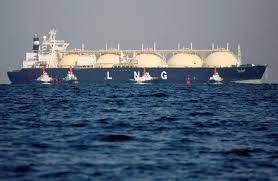
In just over half a century, the liquefied natural gas (LNG) industry has radically transformed from its nascent stages to a globally marketable energy source. LNG trade has quadrupled over the past two decades and is set to double again over the next 20 years, according to the IEF’s November 2023 Joint Organizations Data Initiative.
In a report entitled “Fragile Equilibrium: LNG Trade Dynamics and Market Risks“, the International Energy Forum (IEF) examines how the LNG trade has changed over the past two years, what market risks are on the horizon and what those in charge can do policy makers to strengthen security of supply while making progress in the energy transition.
While LNG trade is becoming more fluid and inclusive, it remains disproportionately concentrated in production and consumption according to the report. Three countries – Japan, China and South Korea – accounted for half of the world’s total LNG imports in 2022. Meanwhile, three others – Qatar, Australia and the United States – accounted for a staggering 65% of global exports. Despite this intense concentration, the sector is interdependent and supply disruptions in one corner of the globe can send shock waves across the market.

One such event occurred in February 2022, when Russia’s invasion of Ukraine disrupted global energy markets. Faced with the sudden loss of gas supplies from the Russian pipeline, European buyers rushed to procure record volumes of LNG to fill the void. Europe’s growing demand has pushed global spot LNG prices to record highs and created a supply squeeze for emerging economies, exacerbating a delicate situation.
Just as markets were balancing and readjusting to the fallout from the war in Europe, another war broke out in the Middle East after Hamas attacked Israel on October 7. While the impact on cargo flows has been limited so far, geopolitical risk in the region has increased significantly and extends to the Strait of Hormuz, which carries 23% of global LNG flows.
Europe’s natural gas stocks may be at record levels heading into winter, but there is no room for complacency. In the short term, risks abound with a possible escalation of the Israel-Hamas war, uncertain winter weather in the northern hemisphere, and an increased risk of infrastructure sabotage. Any unexpected supply disruption could destabilize markets again.

The risks are not limited to the short term. In the long term, policymakers will have the delicate task of balancing energy security, affordability and sustainability. At the same time, market players must also address and adapt to risks around cyber security and natural disasters.
As the world moves towards ambitious climate goals, the report notes, LNG will play an important role. Governments around the world are increasingly focused on reducing carbon emissions and meeting environmental targets.

The promotion of producer-consumer dialogue becomes even more essential. A collective approach should prioritize universal access to affordable energy, recognizing the central role natural gas, particularly LNG, will play in the energy transition.

As the LNG industry matures, understanding its vulnerabilities and the implications of its evolving dynamics becomes a matter of policy and critical imperative for all stakeholders. The International Energy Forum (IEF) is the largest international organization of energy ministers from 72 countries and includes producing and consuming countries.