US lithium mining giant Albemarle has pulled out of its acquisition of Liontown Resources Ltd. of A$6.6 billion (US$4.2 billion) after Australia’s richest woman created a blocking minority and effectively scrapped one of the battery metals industry’s biggest deals to date.
Aiming to add a large mining deposit to its portfolio, Albemarle had sought to acquire the Kathleen Valley – one of Australia’s most promising deposits. Liontown agreed to the US company’s “best and final” offer of A$3 per share in September — a premium of almost 100% to the price before Albemarle’s takeover interest went public in March.
In recent weeks, however, Albemarle has had to contend with the presence of embattled mining magnate Gina Rinehart, as Hancock Prospecting Pty. gradually amassed a 19.9% stake in Liontown. Last week, it became the largest investor, with enough influence to potentially block a shareholder vote on the deal.

Albemarle has now informed Liontown that it will not proceed with its proposal due to “increasing complexities associated with the execution of the transaction”, the Australian mining company said on Monday.
Liontown is the most significant lithium investment to date for Rinehart, which made its fortune in Western Australia’s iron ore mining industry during China’s infrastructure boom. This is a business investment that may come at a difficult time for the steel industry, but strong demand for batteries from the electric car industry and the technology industry in general make such investments have better prospects especially against the background of the energy transition.
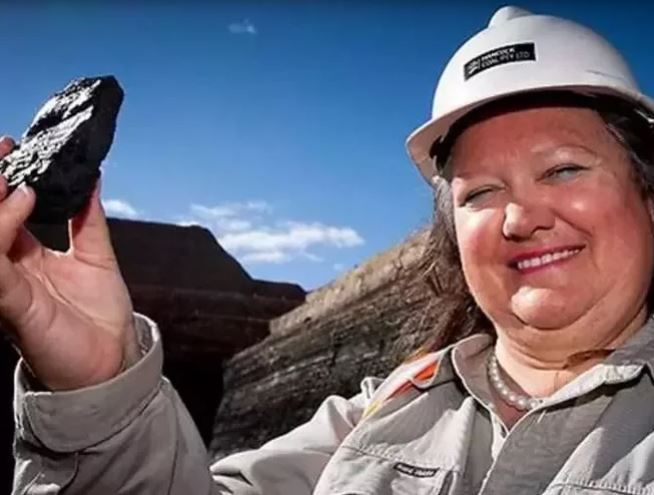
What will happen to the Kathleen Valley project
For now, the collapse of the Albemarle acquisition is prompting Liontown to seek an alternative source of capital for its flagship Kathleen Valley project, a development that Hancock has criticized and says carries significant risks.
For now, the collapse of the Albemarle acquisition is prompting Liontown to seek an alternative source of capital for its flagship Kathleen Valley project, a development that Hancock has criticized and says carries significant risks.
Reinhert can afford to be patient here, while in time there may be scope for “some collaboration” between Hancock on other Australian mines.
Albemarle, for its part, is expected to look for other targets, in Australia and beyond. It has indicated primary targets, including lithium resources, processing technology and battery recycling.