




The 2006 Lebanon War is also known as the war between Israel and Hezbollah. But it is also called the “July War” (in Lebanon) or the “2nd Lebanon War” (in Israel).
The 34-day conflict took place between Israeli forces and the Hezbollah organization in the Lebanese territories, Israel and the Golan Heights and is characterized by several analysts as the first modern “hybrid” in that it combined elements of conventional and unconventional warfare. information operations and cyber warfare. The Israeli objectives, of the military crushing of Hezbollah with its parallel political isolation and disorganization of its infrastructure in Lebanon, were not achieved to the expected extent. Hezbollah, despite the significant losses it suffered, strengthened its prestige with the effective resistance it put up against the mighty Israel in the privileged for the latter, field of a classic conventional military conflict. Undoubtedly, the current situation in the Gaza Strip leads us to comparisons and corresponding assessments of the events and Israeli reactions between the two adjacent but different conflicts.
Israel has extensively reviewed the events of 2006, reaching findings and conclusions, assigning responsibility to political and military leadership, and taking corrective action at all levels. The detailed investigation was carried out by the Winograd Commission appointed by the country’s parliament and delivered its conclusion in 2008. It is of interest to consider some of the conclusions of the research concerning the preparation of the Israel Defense Forces (IDF) and the civil-military relations and responsibilities during that period.
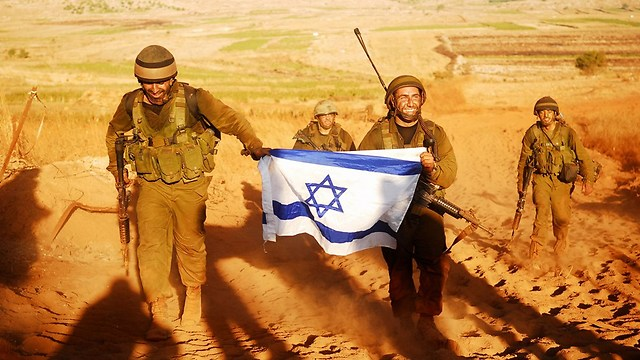
According to the conclusion (The data is taken from Official English summary of the Winograd panel’s report on the 2006 (data received on November 5, 2023)), the inability of the IDF to carry out – in a really pressing time frame – the objectives set after several regressions in the way of response, is attributed to long-term insufficient preparation.Significant cuts in the defense budget contributed to serious malfunctions and deficiencies in administration, in the preparation of the forces and in the training of the units.
A dysfunctional “modern” military doctrine with perceptions of the predominance of Low Intensity Conflicts over conventional forms of warfare (High Intensity Conflicts) directed the IDF to prepare to assume “police” duties and brought confusion to the staff procedures used until then. Behind these failures was a perception among the political and military elites that Israel was now “out of the age of war,” having sufficient military strength and superiority to deter others from declaring war on it. Consequently, the main challenge that ground forces would face was dealing with low-intensity asymmetric conflicts. Inevitably, the more general preparations for a “real war” (real war) faded along with all the required actions on a political, social, economic, military, moral, cultural level (it is valuable here to see the multilateralism of the sectors involved). So it is an assessment that despite the conclusions of 2006, this misconception returned again 15 years later with tragic consequences.
Also of interest are the Commission’s conclusions regarding the conduct of the war at the highest level, which focus on top civil-military relations and are now an operating “manual” at this level. Specifically and among the many points of interest are:
Prime Minister Ehud Olmert bore full responsibility for the government’s decisions and the operations of the Armed Forces. He was responsible for the fact that the objectives of the campaign were not specific, carefully formulated and achievable with the chosen courses of action. Ultimately these were over-optimistic and unattainable. In fact, when it was understood that their fulfillment was unattainable, he did not modify the action plans accordingly. He failed to consider operational plans in depth, made hasty decisions without exhausting the cycle of consultation with other experts outside the Armed Forces and without considering the full range of alternatives.

Defense Minister Amir Peretz lacked sufficient knowledge of the basic principles of using military force to achieve political goals. He also did not act with a broader understanding and strategy for the “media” he was responsible for. It did not request operational plans from the IDF, oversee the combat readiness and suitability of military assets, and neither review the compatibility of objectives and chosen military courses of action. His inexperience did not allow him to “creatively question” the proposals of the Chief of the General Staff and the decisions of the Prime Minister regarding the courses of action.
The Chief of Staff, Dan Halutz, was the main source of information regarding the Armed Forces, their plans, their capabilities and presented his proposals to the government. In this particular case (2006) he was not prepared to deal with a personnel abduction incident (2 soldiers kidnapped by Hezbollah) even though there were indications. When this happened, he reacted spontaneously without informing the political leadership of the seriousness of the situation and the possible consequences, nor did he present detailed and updated response plans. He also did not inform the political leadership of the serious problems in preparing the IDF to undertake the hastily undertaken campaign. Nor did he provide adequate answers about the campaign to questions from other ministers and did not inform the government of concerns on the part of the IDF about the compatibility of military means and political objectives.
Particular responsibility is attributed to him, as while he knew that the prime minister and the defense minister had no military experience, he did not ensure that they were fully briefed, leaving them with the impression that the IDF was adequately prepared, with plans tailored to the circumstances and objectives.
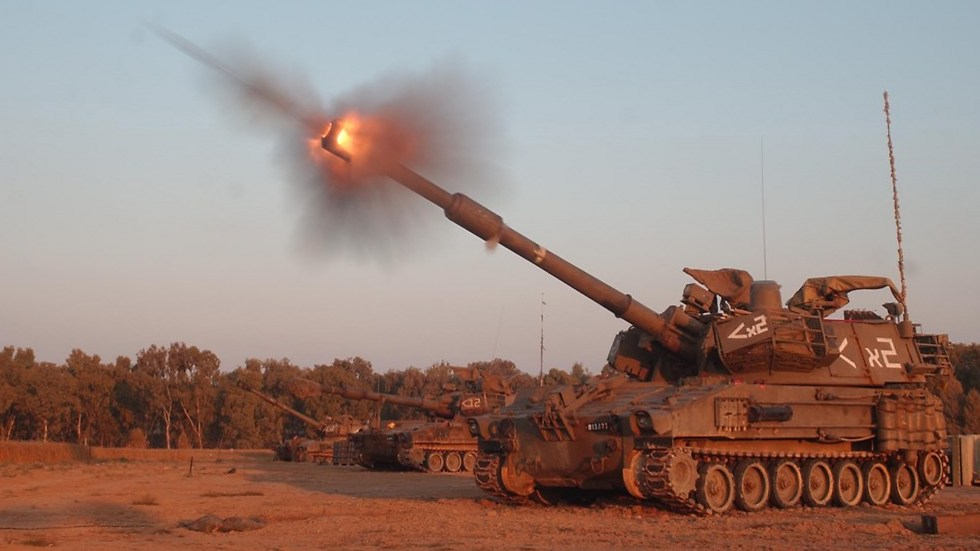
The Commission’s conclusion goes on to add to the “framework” of responsibilities and others by attributing responsibility for the failure to update the Israeli security doctrine, so as to effectively deal with all threats, to the governments of recent years. He also criticizes senior IDF officials (head of intelligence, training, operations) for not presenting their reservations in time and after intensity both within the framework of the military decision-making process and to the political leadership.
In conclusion, the Commission assigned personal responsibilities to the 3 highest persons responsible for civil-military cooperation and operations (prime minister, defense minister, chief of staff). He did not accept arguments of incompetence, lack of knowledge of military matters, insufficient information, non-questioning of political decisions and blasted the unsolicited projection of objections, concerns and personal assessments not only from those above but also from those lower in the hierarchy. The 3 mentioned above were very shortly taken out of “active” service.
The conclusion of the Winograd Commission (as well as the corresponding one of the Agranat Commission that examined the events of the Yom Kippur war) should be taught in the highest military schools, in the diplomatic academy of the countries and ensure that the prime minister and ministers-deputy ministers of defense have studied and understand (at least) the conclusions drawn from them.

