

Even if you are not a regular drinker, the chances are that you will remember some evenings with a glass of blended or single malt Scotch whiskey (whisky – Scottish, not whisk-E-y – American or Irish) in hand, “silencing” lonely thoughts or it accompanies a nice company, music or the sound of the rain on the glass and the wood “popping” in the fireplace.
The famous spirit, with its fanatical friends, which deservedly bears the title of “king of drinks” – although… officially, a “dispute” is pending in this regard with brandy lovers – conveys unchanged through the centuries the mysterious charm of the Scots Highlands or the immensity of the Lowlands and the robustness of the descendants of the Gauls, it exudes the smell of peat and the aromas of vanilla, wood, nutmeg and dried fruit.
One name, two brothers, one story… Scottish
With this tradition, the Chivas brothers began their long journey in the 19th century, leaving behind the remote Scottish farm. Walking for three days from the idyllic setting they called home to Aberdeen, they knew they wanted to make a difference. What they still didn’t know was how they would do it so well that their name would be written in golden letters in the history, not only of Scottish, but of world distilling.
After finding gainful employment in an Aberdeen shopping centre, James was quickly captivated by a whole new world of tastes, smells and exquisite tastes. Anything seemed possible and James quickly gained a reputation for achieving the impossible. If they didn’t stock it, they would find it. If they couldn’t find it, they would make it.
From the cellar beneath their grocery store in 19th century Aberdeen, James Chivas began experimenting with aged whiskeys in response to his customers’ demand for a richer whiskey experience. Something that turned out to be “fatal”.
When John joined the business Chivas Brothers was born. The history of the Chivas Brothers had already begun to be written.
In New York
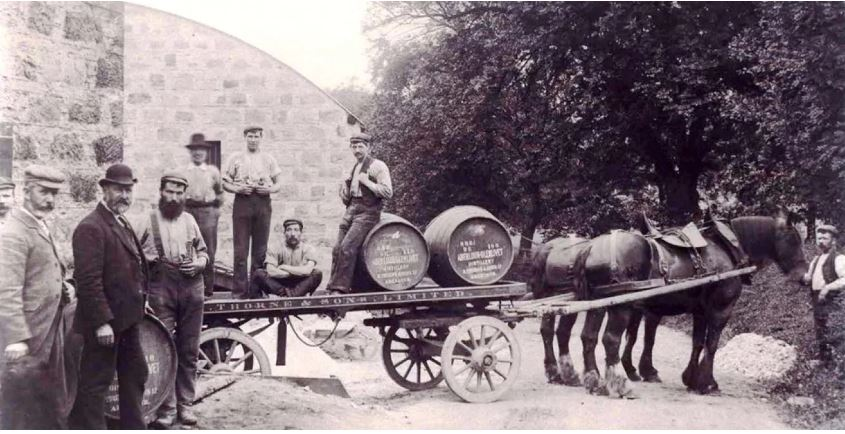
By 1881, Ballantine’s was sold worldwide. And in 1909 master blends, Charles Howard and Alexander Smith create a 25-year-old blend that would become the world’s first luxury whiskey. Innovative and generously smooth, a perfect tribute to the Chivas Brothers heritage.
Chivas Regal had just made its debut, conquering first the discerning drinkers of New York and then the whole world.
Today, Chivas, now owned by the giant Pernod Ricard, is the second largest Scotch company in the world with brands such as Glenlivet, Chivas Regal and Ballantine’s, but does not yet produce Islay whisky.
Recently, it announced that it will produce an Islay whiskey for the first time in a privately owned distillery that it will install on the Scottish island on its own land.
The addition of Islay will complete Chivas Brothers’ Scotch whiskey portfolio, said Jean-Etienne Gourgues, Chivas president and CEO.
Islay is known for producing single malt Scotch with peaty, smoky and often medicinal characteristics. Chivas’ flagship Glenlivet brand is produced in Speyside where the Scotch is generally lighter and fruitier than Islay’s more peaty products.
As noted in the company’s announcement, “once operational, the distillery’s production will focus on Islay single malt, celebrating the region’s distinctly smoky and peaty profile. The land purchase signals Chivas Brothers’ long-term intention to become part of the fabric of Islay, as it has been for decades through Speyside and surrounding areas.
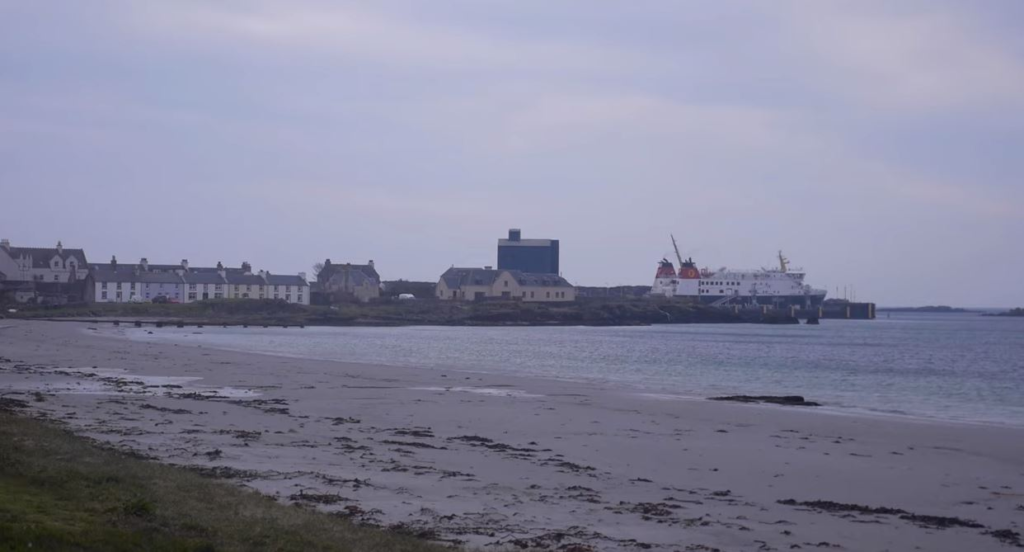
Chivas did not disclose how much it bought for the land, nor the cost of building the new distillery, which will, however, be environmentally friendly, carbon neutral.
It will be years before the final product is on the market, as Scotch whiskey is aged in oak casks for at least three years and often much longer, according to strict Scottish law.
What is Isley?
The Scottish island to the south-west of the Isle of Jura may be unknown to most, but it produces some of the most famous whiskey brands well known to fans of the Scotch recipe.
The name of the island of Islay, pronounced Islay, comes from the Norwegian word Juula, which in the Scandinavian dialect means princess. It got this name because of the visit of a leader of the Vikings, during the time of the island’s direct relationship with this particular warlike tribe, either in the form of long-term occupation, or in the form of frequent hostilities.
There are dozens of records that speak of illegal distilling on the island, some of them refer to the end of the 16th century and at one time there were 28 distilleries in operation on Islay. According to many, in fact, it is considered the homeland of whiskey.
After all, an area with 11 rivers, 2 large lakes and 16 smaller ones, clearly provides an unlimited amount of water to the distilleries in the area, and if to the previous factor the vast meadows with good quality barley are added, then it is easy to understand why the island thrived or whiskey production.
Scotch Single Malt
Single Malt is a whiskey that in principle meets 3 inviolable conditions that verify its designation:
Single: Whiskey comes strictly from one distillery only
Malt: The raw material comes exclusively from malted barley and there is no admixture with any other cereal or fermentation derivative
Scotch: The whiskey is distilled and matured in Scotland. The spirit matures in oak barrels with a capacity of up to 700 liters for at least three years.