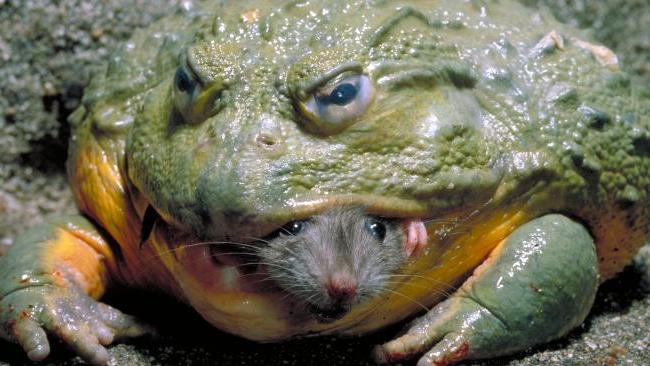
Fish farms being choked by imported water hyacinths. Eggs of rare birds that become rat droppings. Power plant pipes clogged by invading mussels. Power lines falling from the weight of brown tree snakes.
These are some examples of the environmental chaos brought about by invasive alien species – animals, plants and microbes that spread to far-flung areas due to human activity and upset ecological balances.
Invasive species are a key factor in 60% of animal and plant extinctions, while the economic cost of the damage they cause has quadrupled every decade since 1970, a UN report shows (“IPBES Invasive Alien Species Assessment“).
Globally, the damages reached the astronomical figure of 423 billion dollars in 2019, the report of the Intergovernmental Science-Policy Platform on Biodiversity and Ecosystem Services (IPBES) estimates.
A total of 86 experts from 49 countries worked for four years to compile the report, which examined 3,500 invasive alien species.
Species losses and diseases
Invasive species are a subset of the estimated 37,000 alien species that have been brought to new areas by humans – either as domesticated animals or cultivated plants or as stowaways on planes and ships. These species compete with local flora and fauna, damage crops and cause damage to infrastructure.
For example, the deadly wildfire that burned Maui, Hawaii last month was fueled by an African grass that had previously been introduced to the island as animal feed.
As the report points out, invasive alien species are now one of the top five causes of biodiversity loss, along with land-use change, direct exploitation of species, climate change and pollution.
The rise in temperature due to climate change is one of the reasons that some problem species are increasing their geographical spread. Among others, alien mosquito species that transmit diseases such as dengue fever, malaria and West Nile virus.
Difficult to eliminate
About three-quarters of the impacts of invasive species are on land, especially forests and cultivated land.
Larger are often the environmental impacts of non-native animals, especially if they are predators. On many islands, native species have evolved without the threat of predators and have no defenses against them.
New Zealand is currently trying to eradicate cats, which are responsible for the extinction of native species.
Rats and rabbits have been eliminated from some small islands, such as in French Polynesia, by traps and snares. But large populations of rapidly reproducing alien animals are a difficult task. The same applies to invasives, whose seeds can remain in the soil for years.
Prevention is certainly more effective, the report emphasizes, for example by strengthening biosecurity measures at borders and imported products.
Last December, the international community signed the Kunming-Montreal Global Biodiversity Framework, which aims to reduce the introduction of priority invasive species by at least 50% by 2030.