



The Western mainstream media have focused on a number of real, imagined or artificially inflated Russian failures in the Ukraine war:
Too many attacks in many areas of the front and lack of concentration on specific axes of attack. Little provision of infantry in support of the tanks. Rigid air support. Artillery fire on empty spaces. And perhaps most importantly: insufficient logistical support to support Russian military operations.
All of these distort the real picture as they focus on Russian failures and obscure the corresponding successes. And this is wrong, even if Western interests are taken into account, as this presents a virtual reality, even in the minds of Western officials and agencies, and underestimates the need to strengthen the Ukrainian armed forces in areas that are in real deficit due to the substantial Russian superiority. A typical example is the performance of the Russian armed forces in everything to do with Electronic Warfare.
After the initial chaos, Russian forces began to exploit their advantage in the Electronic/Magnetic spectrum by disorienting and confusing the most sophisticated weapon systems in Ukrainian service and more specifically UAVs.
The electronic suppression of the Ukrainian media deprived Kiev forces of one of the greatest advantages they enjoyed in the early months of the war. The Ukrainians relied on superior tactical situational awareness—largely provided by UAVs—to leverage their smaller, relative to enemy, artillery capability to deliver more accurate fire.
But the Electronic/Warfare unleashed by the Russians prevented the drones from homing and communicating with the ground stations and deprived the Ukrainians of the advantage they had enjoyed until then.
“Depriving the enemy of accurate fire was critical to the survival of our units,” according to Russian analysts.
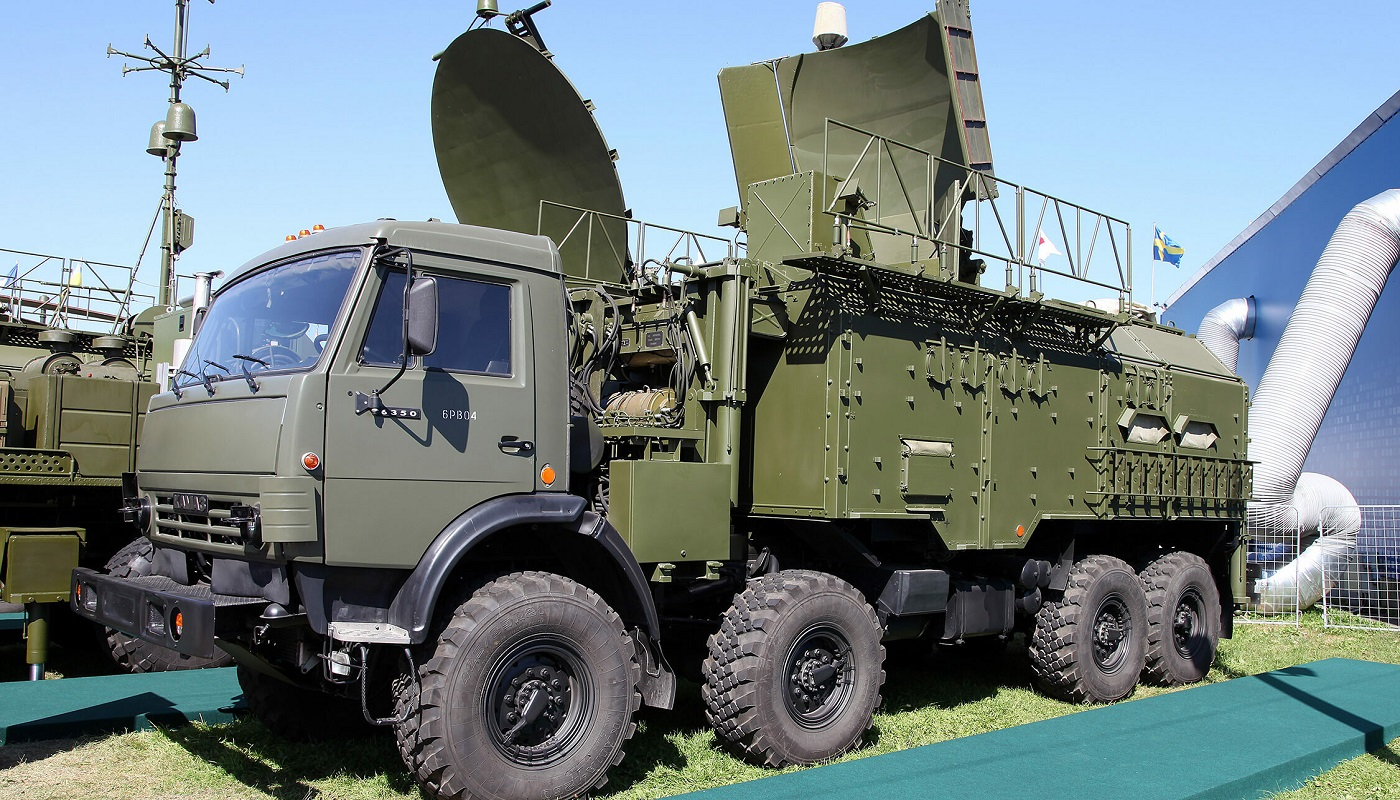
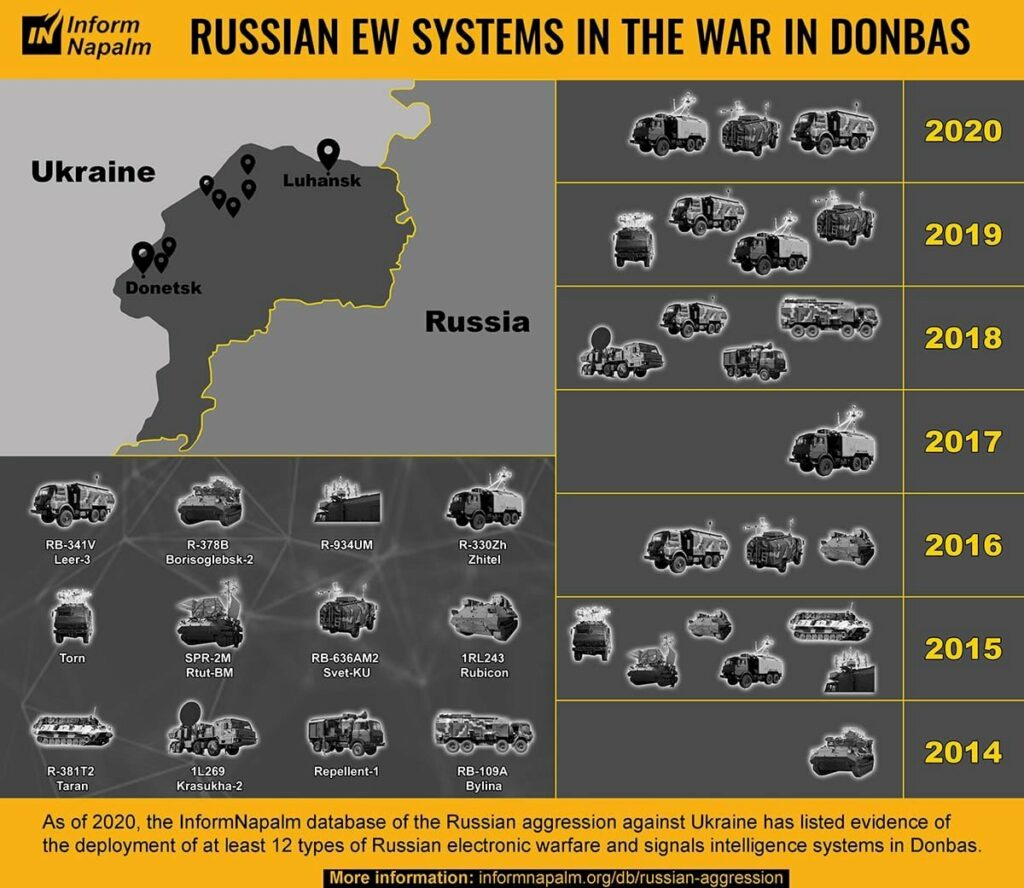
The development of Russian Electronic/Warfare systems included systems such as the TORN and SB-636 Svet-KU SIGINT stations which revealed the positions of Ukrainian units by eavesdropping, systems such as the RB-341V Leer-3s which combine Orlan-10 drones carrying jamming equipment, with a KamAZ-5350 truck-mounted control station, R-934B Sinitsa and R-330Zh Zhitels jammers that jam and block satellite signals.
The initial failures of the Russian troops in the field were largely due to the failure to properly deploy and exploit the Russian Electronic/Warfare means and the volatility of the situation on the ground. When the Russian Electronic/Warfare units were finally coordinated with the ground troops, the performance of the latter improved dramatically, which was reflected on the battlefield.
The effectiveness of Russian Electronic/Warfare means was noticed even by Ukrainian fighter pilots who saw the performance of their communications systems, navigational equipment and radar systems plummet.
The concentration of Russian Electronic/Warfare complexes has reached unprecedented levels in the east. By concentrating the main Russian effort on Dobas the Russians deployed 10 Electonic Warfare complexes per 13 (!) miles of frontage. The results of this massive gathering were spectacular.
The Ukrainians relied on small quadcopter and octacopter drones and larger UAVs such as the Turkish TB-2 to spot Russian forces and direct artillery fire. With the activation of the Russian US systems these began to drop like flies.
Although things did not go particularly well for the Russians over the summer, this was not due to a lack of Electronic Warfare systems. The units and complexes using them did what was asked of them: they covered the skies with “electronic noise” and deprived the Ukrainians of their tactical awareness.
The performance of Russian Electronic Warfare systems in Ukraine most emphatically demonstrates the value of Electronic Warfare in modern military operations. Without exaggeration EW is not just an aspect of military operations but the space within which modern military operations are conducted.

