You never forget life’s journeys, no matter how many years pass. Not only because they require money and time but because the images you will see and the experiences you will live are incomparable to anything.
From the lonely Patagonia, the colorful temples of India, the natural contrasts of Africa to the Buddhist atmosphere of Nepal and the long history of Persia, the following regions are destinations that will be etched in your heart forever.
- PATAGONIA (SOUTH AMERICA)
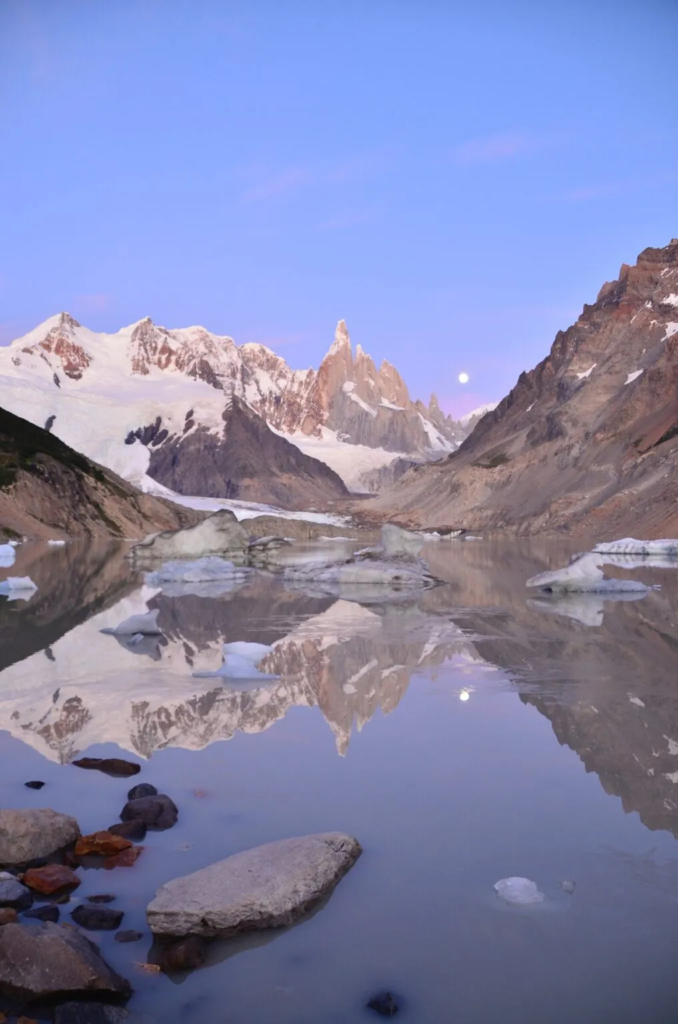
Patagonia may not belong to the most touristic regions on the planet, but it is one of the most special that deserves a trip that you will remember for a lifetime. The first European to set foot in Patagonia was the Portuguese navigator Ferdinand Magellan in 1520, although some argue that it was probably the Italian explorer Americo Vespucci. Patagonia, therefore, is located in South America and, more specifically, is divided between the southern territories of Chile and Argentina, while on its southwestern side stretch the Andes, the longest mountain range on our planet, which reaches 7,000 kilometers. If you travel there you will have the opportunity to admire a shocking landscape where lakes and rivers alternate with steppes, caves and fjords and valleys with high mountain peaks and volcanoes, in the Andes to be precise 70 volcanoes have been recorded.
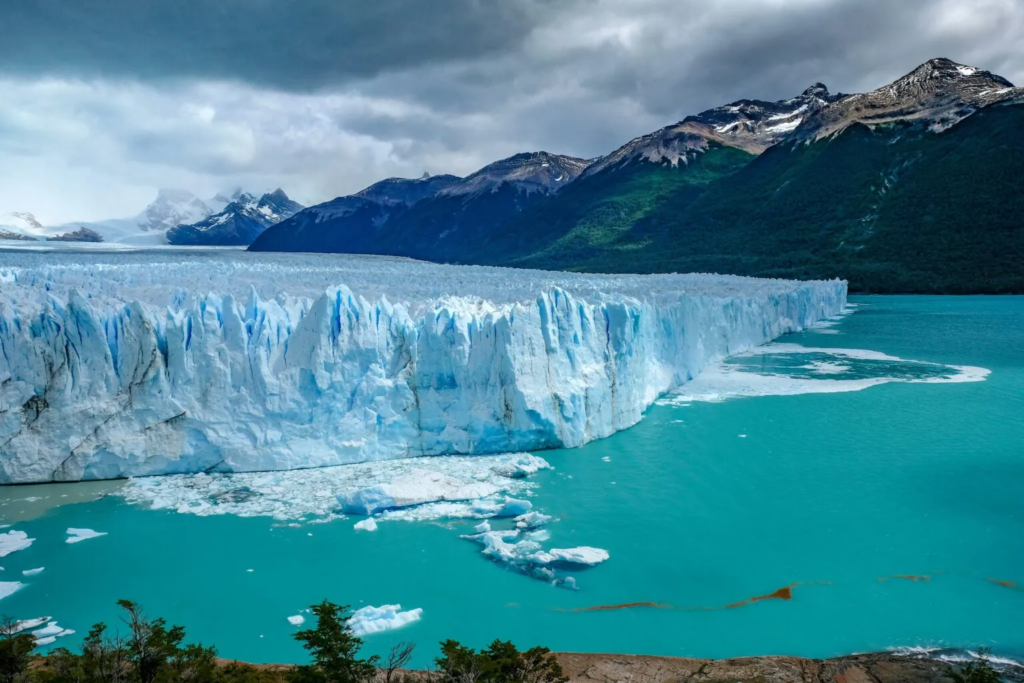
The area has wild beauty. Don’t expect to come across villages and towns that follow one another, the land here is vast and largely uninhabited, after all we are near the end of the earth. You will see cave paintings dating back to 8000 BC. you will be skiing and mountaineering in the Andes, boating in the Parque Nacional Los Glaciares to observe glaciers such as the 30 km long Perito Moreno which is the only glacier that continues to grow and the huge Uppsala. Like other Magellanics, you will cross the Port of the same name and make a stop at the eerily beautiful Natural Laguna de los Cisnes, a natural monument with small islets within it as well as magnificent swans.
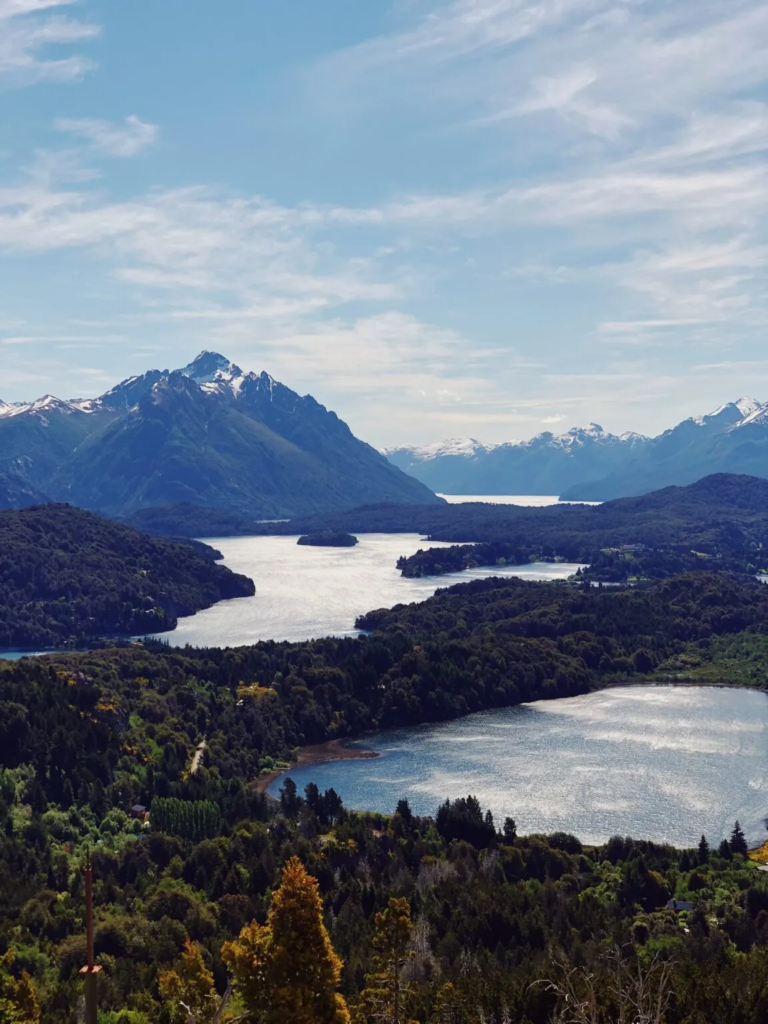
You can also go even further south for a Beagle Channel cruise and stay in the southernmost city on earth Ushuaia, capital of Tierra del Fuego, trading center and point from which you can cruise to Antarctica. If you want to experience the more cosmopolitan side of Patagonia, you’ll stay in the leafy town of San Carlos de Bariloche, at the foot of the Andes, before which stretches a stunning lake with lacy shores. From there you can cross into the Chilean part of Patagonia and Puerto Varas, crossing breathtaking forests, impressive lakes and admiring the snow-capped Puyehue volcano from afar. From Puerto Varas and through Puerto Montt you can reach the Pacific-washed island of Chiloé, an undiscovered gem with National Parks of unique nature, incredible lakes and wonderful routes and a magnificent view of its eastern side of the Andes.
- NEPAL
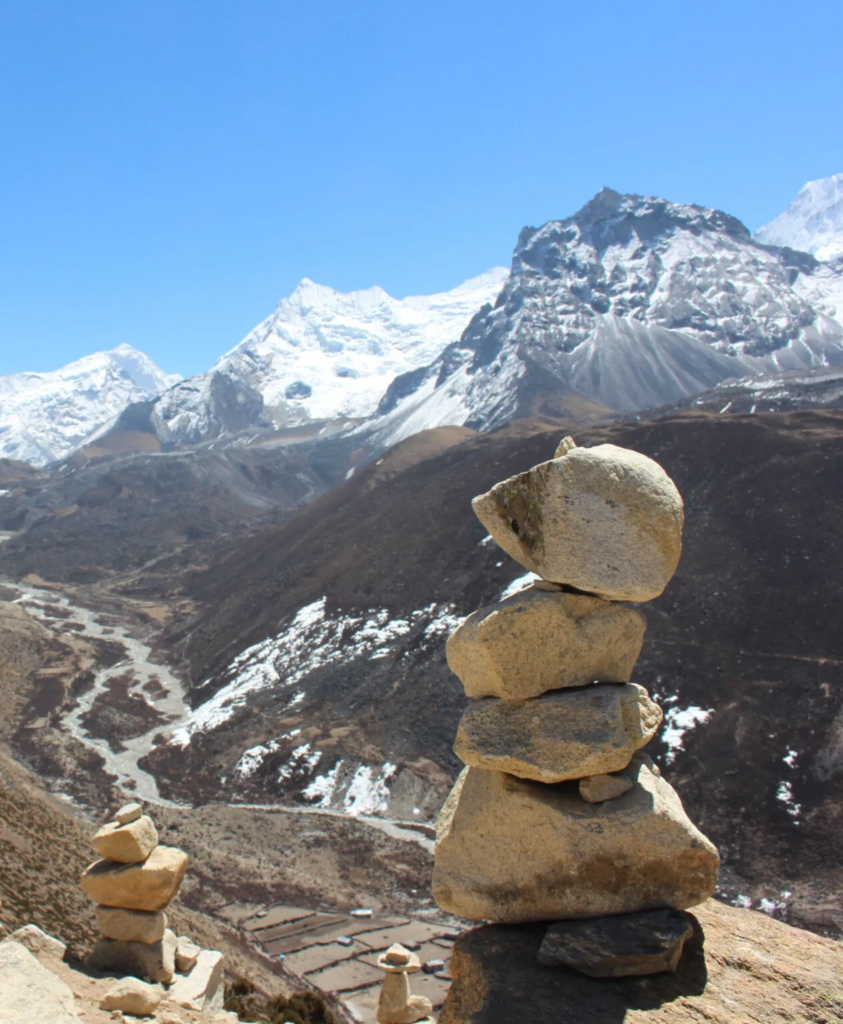
The Federal People’s Republic of Nepal lies in the shadow of the Himalayas and on the border with Tibet. It is primarily a mountainous country, as its largest part is covered by mountains, suffice it to say that it houses most of the world’s 10 highest mountains, including the famous Mount Everest. Nepal is the place where the religion of Buddhism was also founded by prince Siddhartha Gautama and its history begins in the middle of the 1st millennium BC. It is a multi-religious and multicultural country, the characteristics of which were created centuries ago as it was a commercial center and part of the Silk Road.
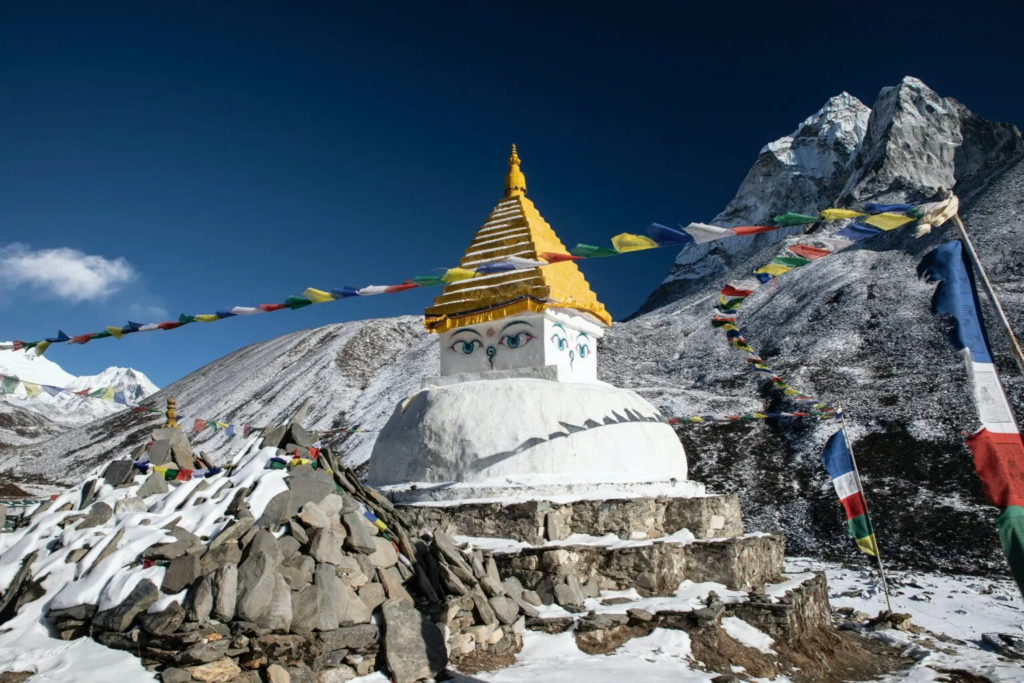
From the above you understand that the trip to Nepal is not a simple leisure trip but a trip that gives you the opportunity to get closer to yourself through the culture of Buddhism and also to conquer, if you wish, the highest peak in the world. It combines the towering mountains with their bare slopes in the north with the fertile green valleys in the south. It has a distinctive architecture that reflects the influences it has received over the centuries, with impressive temples and majestic palaces standing out. Your journey can start from the capital city of Kathmandu with walks through the narrow streets with Buddhist temples. More important that of Swayambhu of the 5th century. It is essentially the ancient religious city of Kamphu and is located in a dense forest of various trees and includes various shrines, temples and a Tibetan monastery.
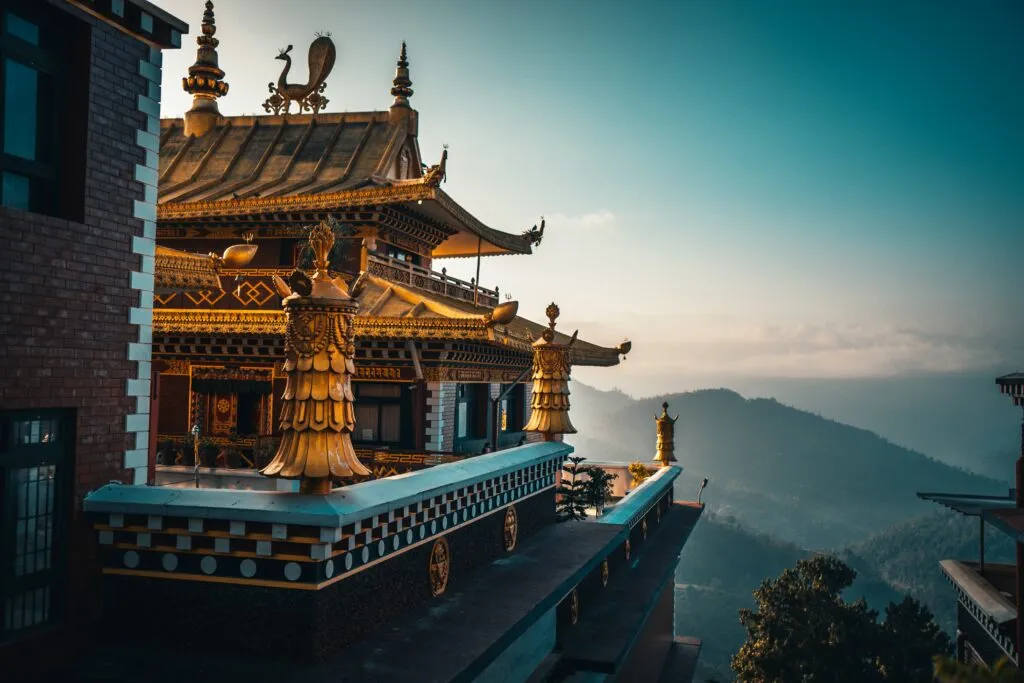
In fact, holy monkeys live on the northwest side of the temple, which is why the temple is known as the Monkey Temple. The continuation may include the Pashupatinath Temple, a UNESCO World Heritage Site, which is dedicated to the god Shiva and one of the most magnificent temples and the Patan Durbar Square in the city of Lalitpur where one of the royal palaces of Nepal is located. Patan actually is one of the oldest Buddhist cities and a religious center of both Hinduism and Buddhism and has around 55 temples. To the west of Kathmandu is also Chitwan, where here you can meet the Tharu tribe with their colorful costumes, a semi-nomadic rural tribe that follows a traditional way of life but also go on safari in the Chitwan National Park and admire them up close huge elephants, the now protected Bengal tigers, rhinos and alligators and if you wish you can take an elephant ride.
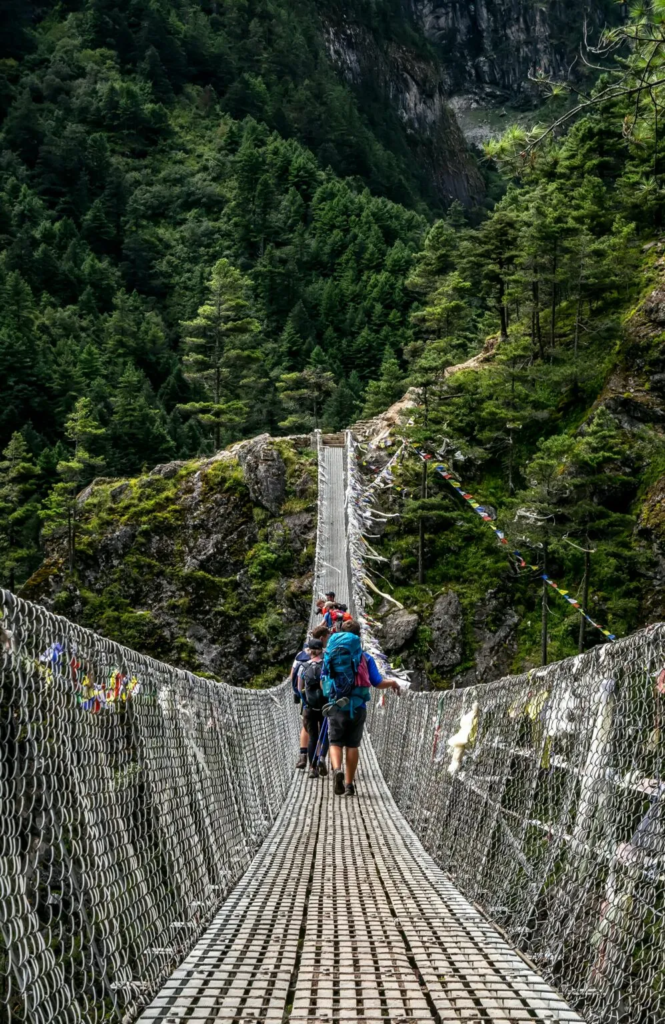
Boating on Peva Lake in the city of Pokhara, the second largest after Kathmandu, seeing the snow-capped peaks of the highest mountains on earth across is one of the must experiences. Of course, the most special experience you can have in Nepal is to climb Everest – although here you will need to have some skills – or even to do a small part of the route passing through magnificent landscapes of magnificent forests, suspension bridges and impressive gorges , accompanied by guides of the Sherpa tribe, a tribe that has lived for several centuries on the slopes of the Himalayas at altitudes exceeding 3,000 meters.
- AFRICA
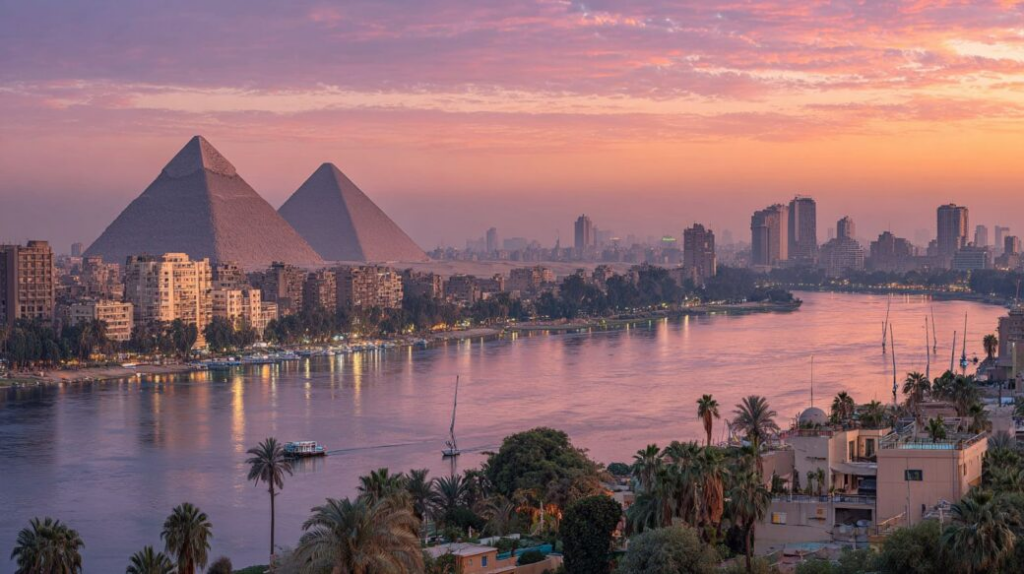
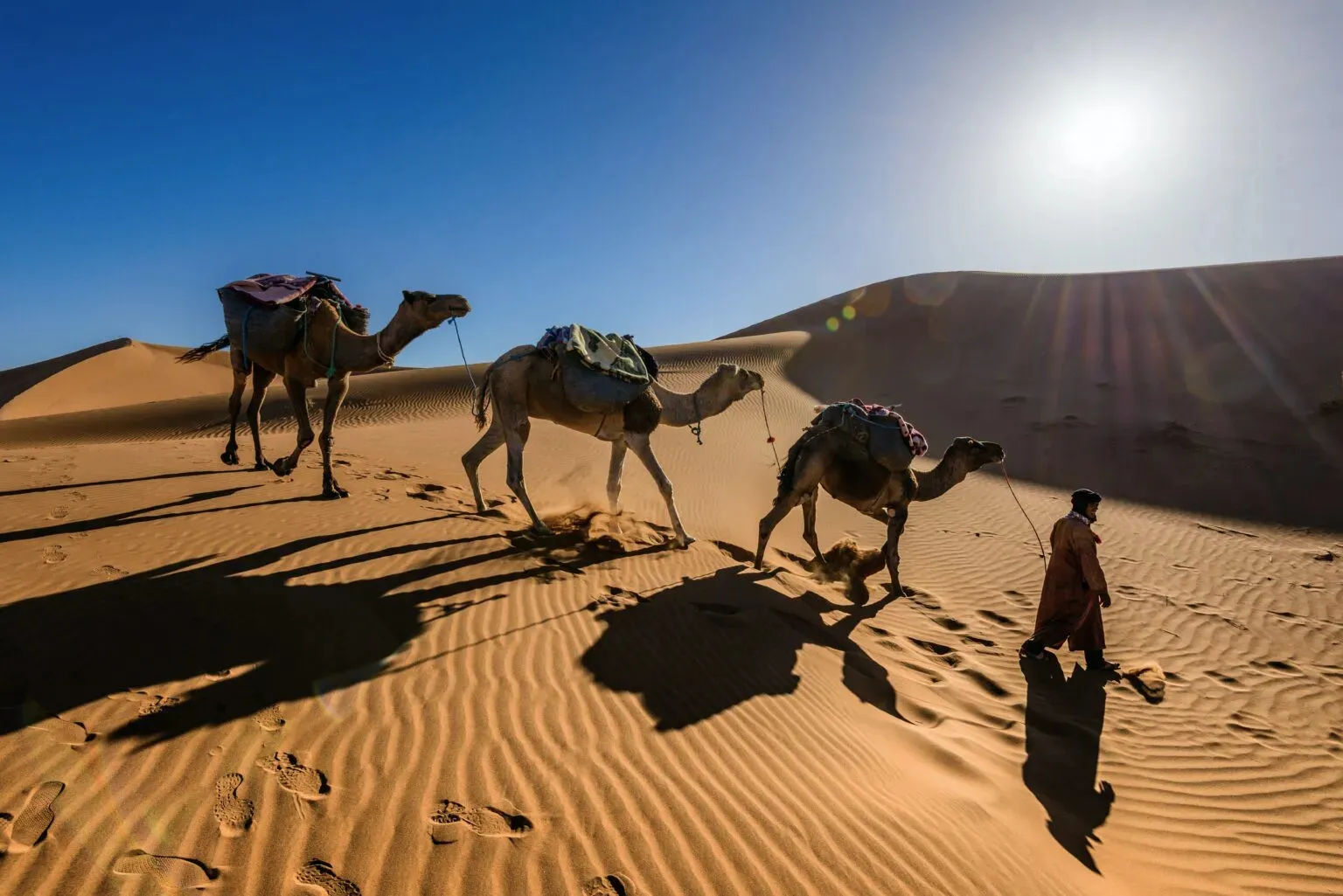
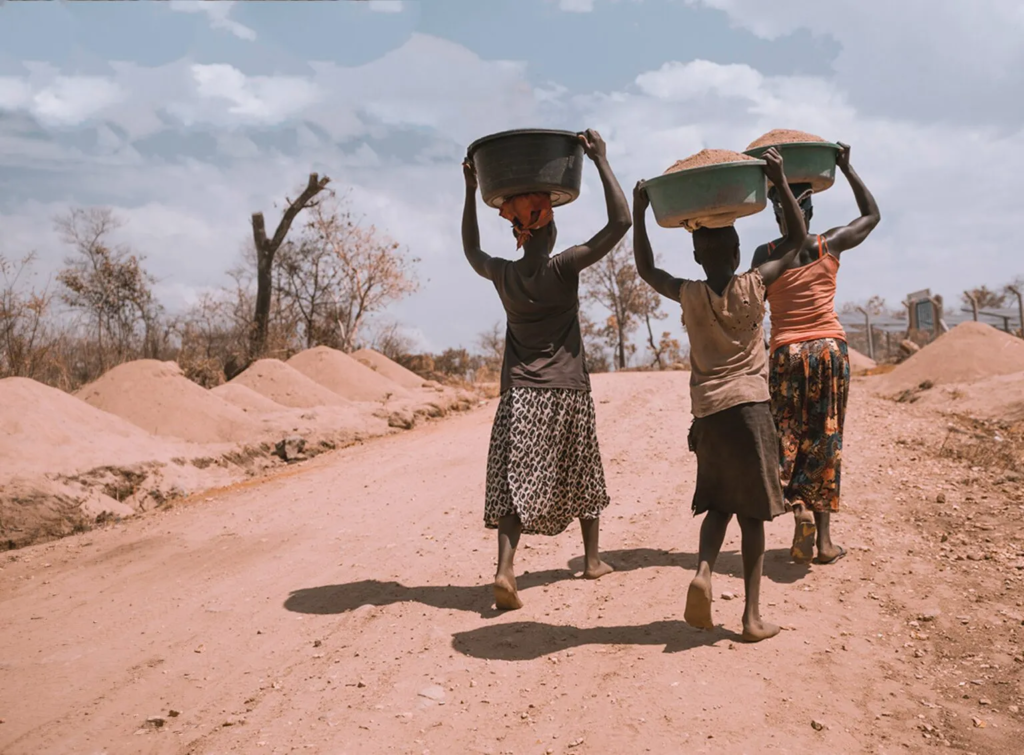
Africa is a breathtaking continent that from north to south has impressive landscape changes, incredible natural beauties, distinct cultures and special customs. From Egypt and the Sahara desert to the verdant Congo and South Africa with its vast savannahs in the west and rainforests in the east are perhaps some of the most unique regions on the planet. You will meet the traditional tribes of Africa such as the Yoruba tribe in the Ogun province of Nigeria, one of the largest ethnic groups in the country that remains true to traditions, the Tua pygmy tribe in Lake Bunyonyi in Uganda and the Tutsi and Hutu tribes in Rwanda who marked the history of the country with the war between them.
You can go boating on Lake Tanganyika, the third largest lake in the world and see the traditional fishing villages along it, pass the tea plantations located on the slopes of the Viruga Ridge, enter tropical forests and visit traditional villages, cross the Black River in Benin in traditional canoes but also visit Ganvier in Porto Novo with its winding canals that give it the name “Venice of Africa”. Among the most moving experiences is watching traditional voodoo ceremonies in Abomey, one of the most historic cities in Africa, north of Porto Novo. You will find voodoo ceremonies in Tongo as well, in a temple in the city of Tongoville, while at Fetich Lome market you will find everything from animal skins to effigies for voodoo ceremonies which you can take as souvenirs.
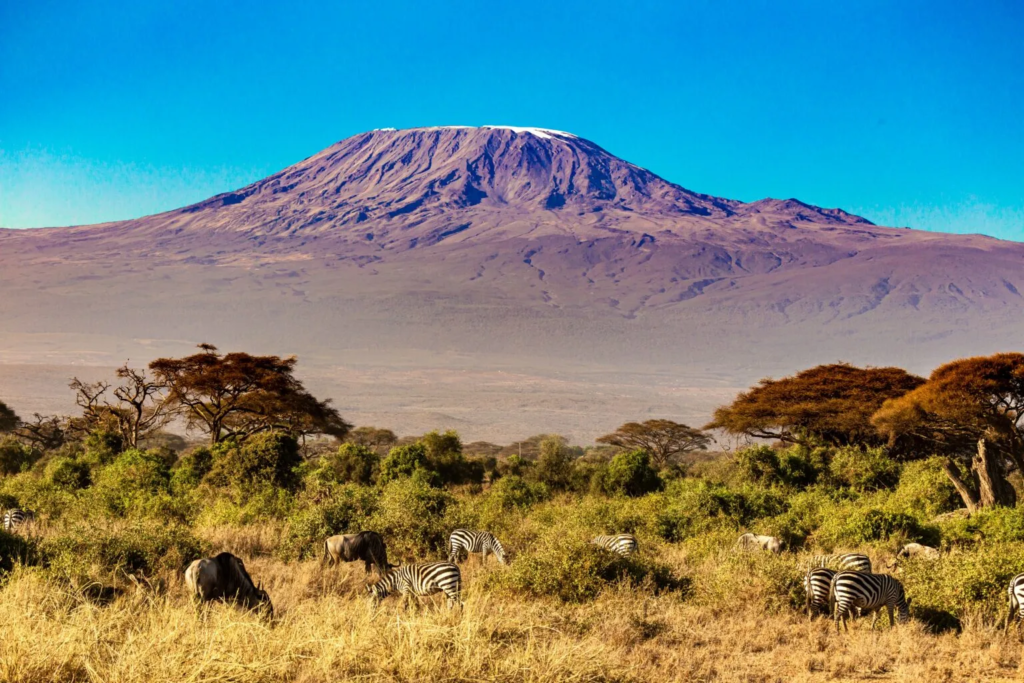
You can even sleep in lakeside lodges, see the impressive silver-haired gorillas, drive through savannahs and of course go on safari to see elephants, lions, antelopes, zebras, buffaloes, hippos and tigers up close while if you are one of them where adventure is in their blood, climbing Kilimanjaro, the highest mountain in Africa with an altitude of 5,895 meters in Tanzania, is a unique experience.
- IRAN (PERSIA)
If you are one of those who love history and ancient cultures then Persia is a trip you should put on your bucket list. When we say Persia we mean today’s Iran whose history begins around the 9th century BC. maybe even earlier. Persia was its historical name that prevailed mainly in the west through the Greeks. In the area over the centuries various cultures met such as those of the Greeks, the Romans, the Mongols, the Arabs and of course the Persians. Here you will tour the palaces of the rulers of Tehran, the Zoroastrian structures of Yazd, the strikingly colorful Shiite mosques of Ahvaz, the traditional villages and the arid landscape of Iran. Top attractions include Sahand, south of the city of Tabriz, where locals have carved their homes into a cluster of hills, but also Tabriz itself with its historic market full of Persian carpets.
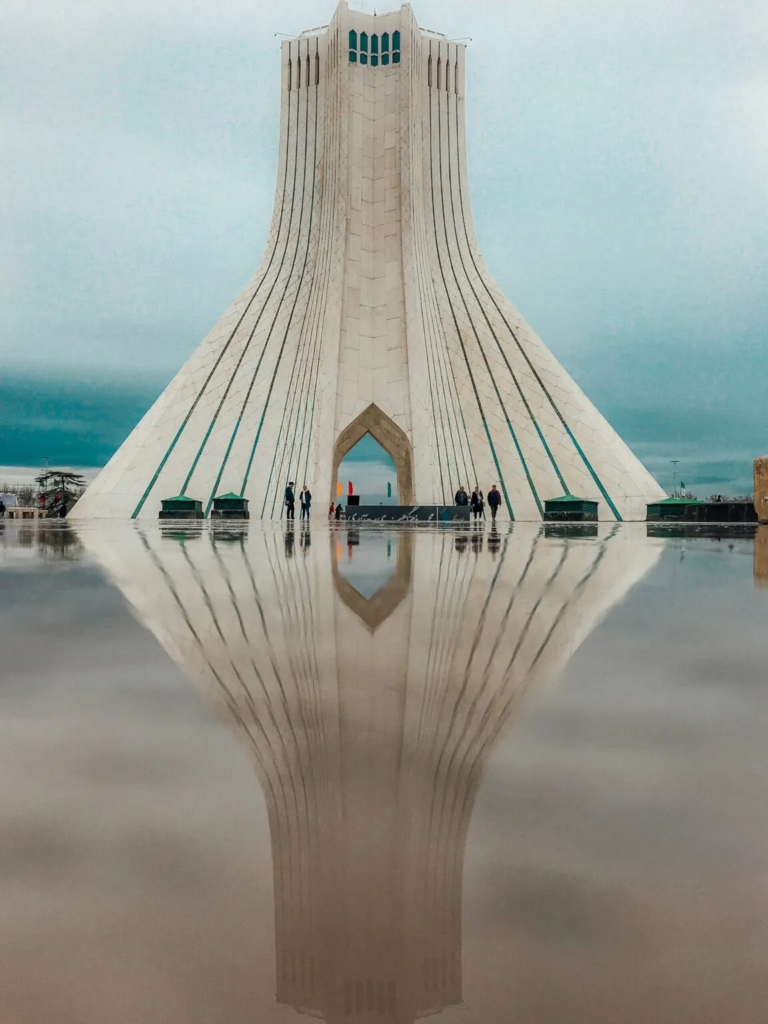
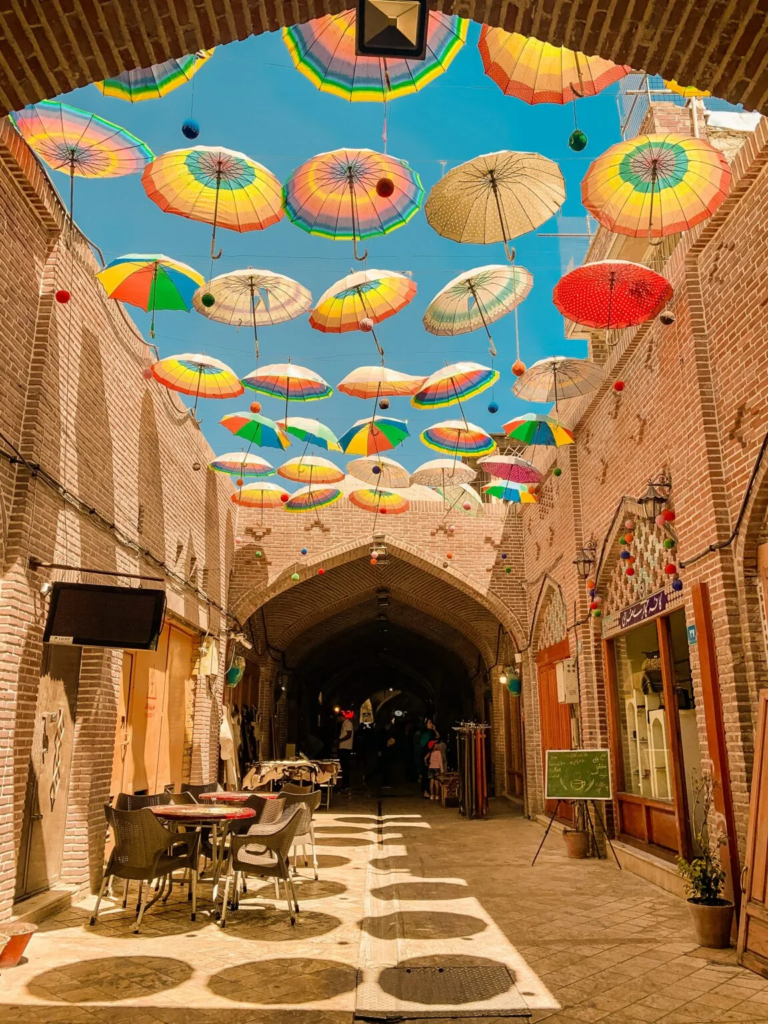
In the capital of Tehran, the archaeological museum unfolds the history of Iran from prehistoric times, while the exhibits of the Shah’s Jewelry museum located in the Central Bank are more than impressive. In Tehran you will also find a carpet museum with exquisitely crafted carpets, many of which look like paintings and escape the classical designs we have in mind today. In Kermanshah, in the Taq-e Bostan area, we will admire the petroglyphs from the coronation of King Chosroes II and Shapur III, the rulers of the Sassanid dynasty, and the stone statue of Hercules, from 2 BC. century, in Behistun carved into the rock which even bears an inscription in ancient Greek.

Visiting the city of Susa which was founded 4000 years ago and was the heart of the Persian empire and the winter palace of King Darius are also among the most important attractions. Like Zoga Zabil, the impressive ziggurat of the 13th century BC. and a place of worship of the Elamites, the ancient biblical people, the top of which also functioned as an observatory. Of course, the ancient city of Bam, in Kerman, a 2000-year-old earthen city that in 2008 was practically leveled by an earthquake, but the Iranians managed to create a faithful copy of the original in the same place.
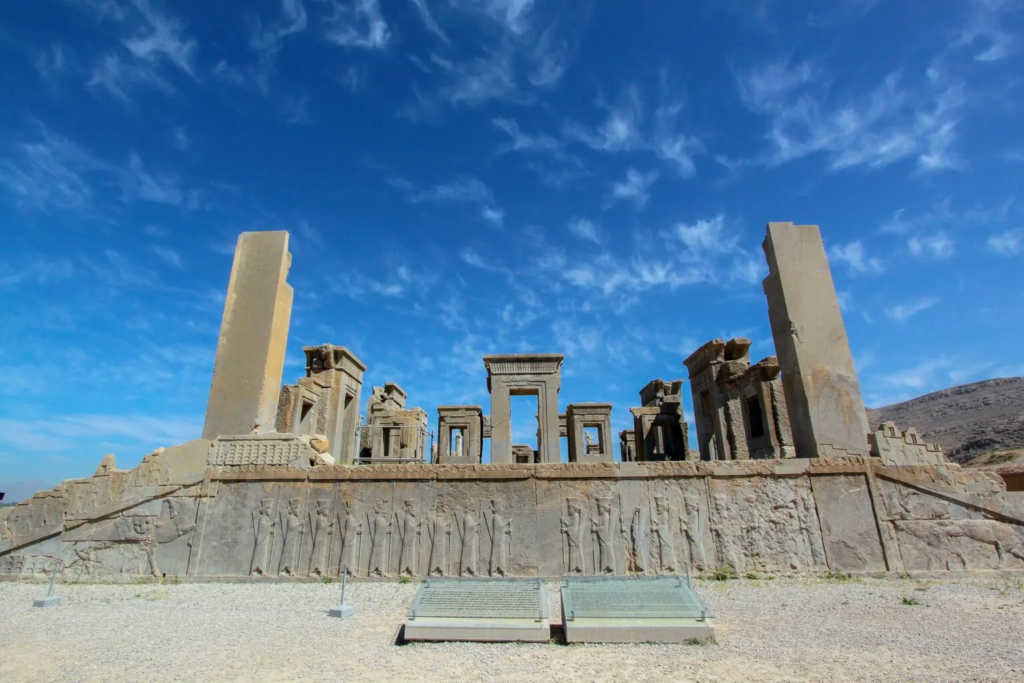
An important stop is also this one in Persepolis, the ancient capital of the Achaemenid dynasty, the creation of which was started by Darius the Great but completed by his son Xerxes I, i.e. between the 6th and 5th centuries BC. Near Persepolis is also Nax-e-Rostam, a vertical rocky slope on which the tombs of Darius the Great or I, Xerxes, Artaxerxes, Darius II and his wife Parisatis were carved, while northeast of Persepolis are also the Pasargades the first capital of the Persian state where the royal palace and the tomb of King Cyrus are located. If you want to know the history of Zoroastrianism then you will go to Yazd which is considered the city of the Zoroastrians and has a Zoroastrian Manuscripts Museum as well as a Zoroastrian Historical and Cultural Museum. In the city of Isfahan the highlights are the beautiful Chehel Sotun Palace, the colorful Imam Mosque in the royal square and of course the majestic Aali Qapu Palace, the official residence of the Persian Emperors of the Safavid dynasty and a UNESCO World Heritage Site.
- INDIA
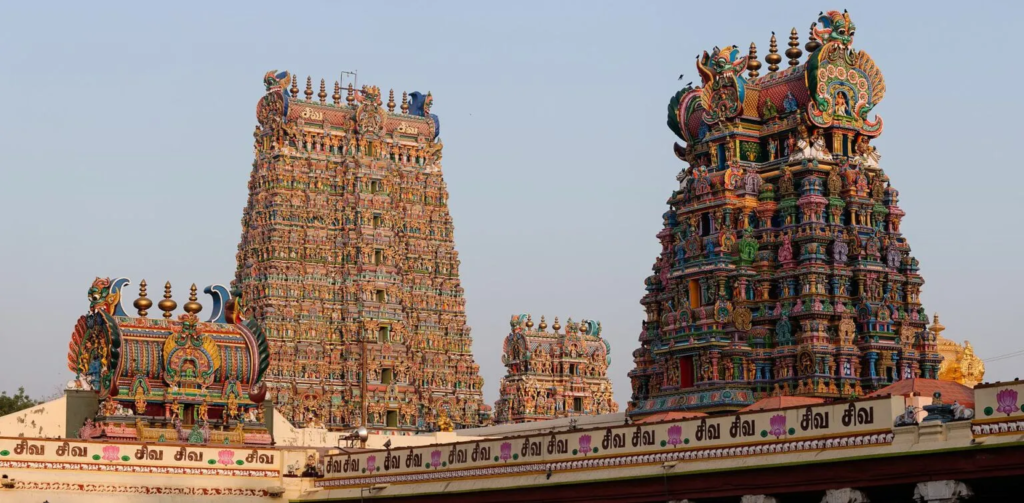
Another trip of a lifetime is this one in India, this enchanting land of the Maharajas with its magnificent palaces and temples, breathtaking nature and unique culture. A trip that you can combine with yoga, meditation and ayurveda lessons from the masters of the genre. Its temples are a big part of its culture and are top attractions such as the ornate and colorful 6th century Arulmigu Sri Parthasarathy Perumal Temple in Chennai, the extremely impressive Arulmigu Arunachaleswarar Temple in Tiruvannamalai dedicated to the deity Shiva which includes four towers – gates with the eastern one being the tallest, reaching 66 meters, the also colorful Shri Ashtalakshmi dedicated to Goddess Lakshmi with its magnificent sculptures in Andyar and Meenakshi Amman a historic temple on the banks of the Vaigai River in the temple city of Madurai with its 14 gopurams i.e. towers – gates whose height varies from 45 to 50 meters.
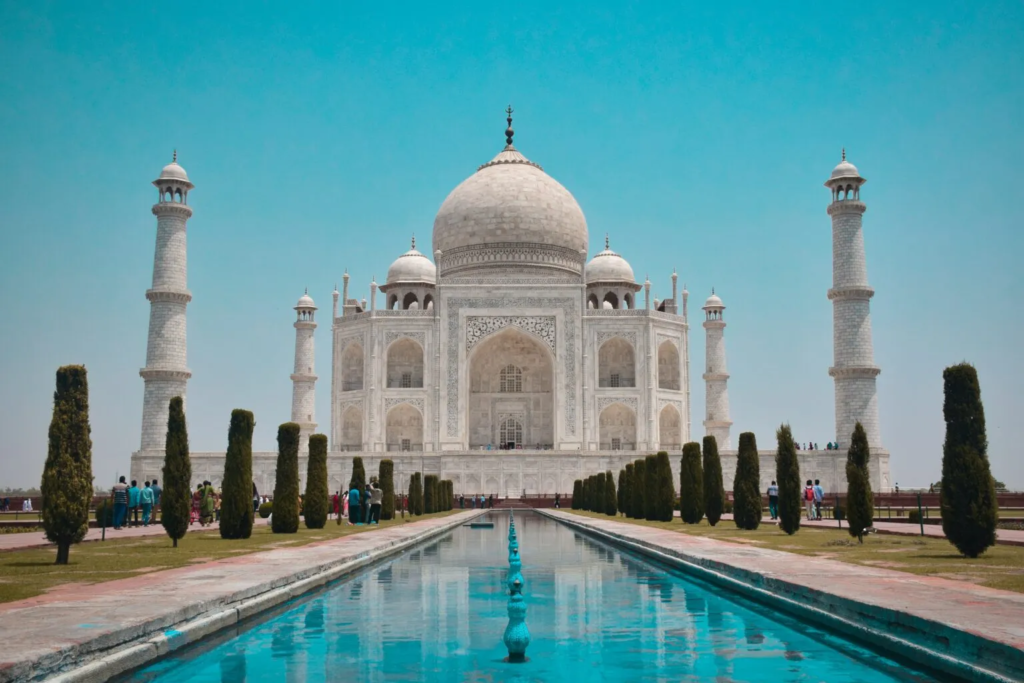
The Taj Mahal, on the banks of the Yamuna River in Agra, the impressive mausoleum built by the Mongol emperor Shah Jahan for his wife Mumtaz Mahal who died in childbirth, is one of the country’s most famous sights, and not without reason. It is one of the most important examples of Indo-Mongolian architecture and is made of white marble. About 20,000 workers worked for its construction, every day from 1632 to 1649, while 22 years passed before all the buildings of the complex were completed, it is of course included in the UNESCO World Heritage Sites. Very close to the mausoleum is the particularly beautiful Red Fort of the 16th century, which was the main residence of the emperors of the Mughal dynasty until 1638, when the capital was moved from Agra to Delhi. It is made of red bricks and red sandstone and is extremely impressive.
Visiting Jaipur, otherwise known as the “Pink City”, is a must-do on any trip to India. According to tradition the color pink is associated with hospitality and the buildings in the eastern part of the city which is the heart of the “Pink City” create a unique atmosphere. Very close to Jaipur on a small hill is the majestic Amber Fort. Built of pale yellow and pink sandstone and white marble, it is divided into four main sections each with its own courtyard. It includes the royal quarters, the apartments where the women lived, temples and gardens as well as some underground tunnels that connect it to the Jaigarh Fort located a few meters above. A part of these tunnels has been restored and is now also open to the public. While you are in Rajasthan province you can go hot air ballooning, paragliding, desert or jungle safari and camping in the neighboring villages.

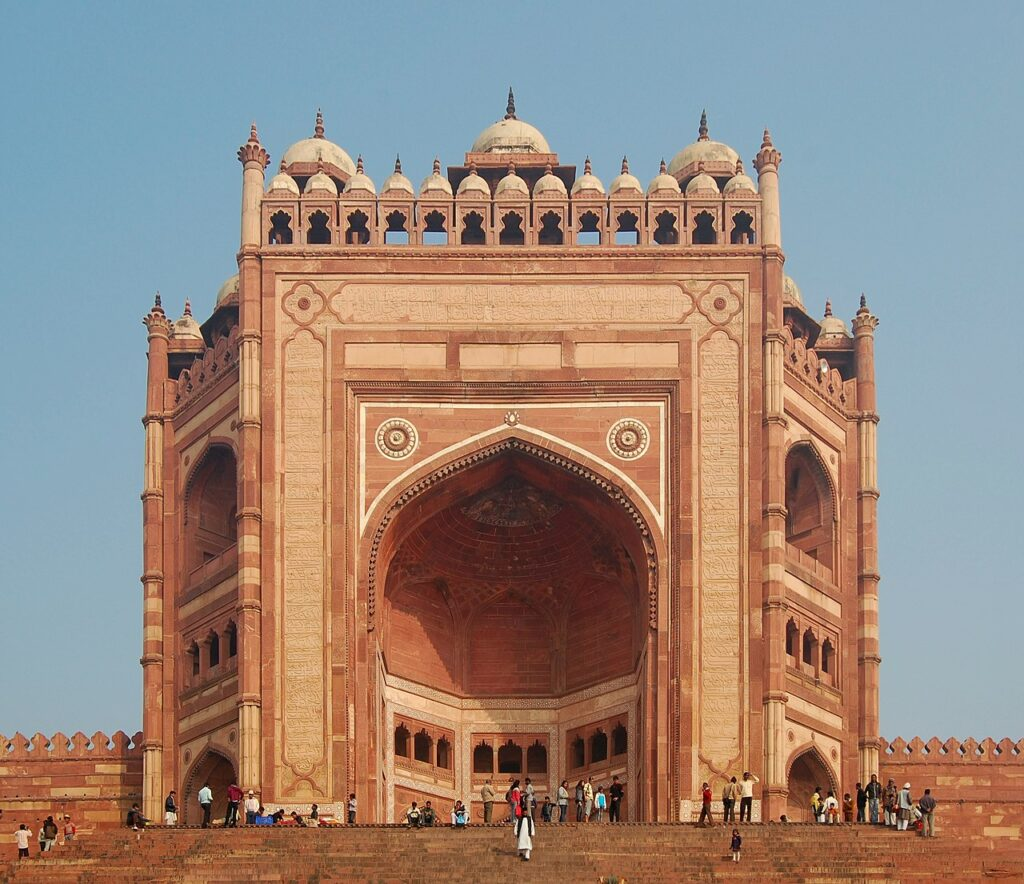
The attractions in Rajasthan do not stop here there are the Mausoleums of the Jaipur Gaitor Kings, the magnificent Jal Mahal Palace in the middle of the Man Sagar Lake etc. What else should be on your list? Fatehpur Sikri, the red sandstone citadel in Uttar Pradesh whose architecture has both Hindu and Muslim influences. In the state of Madhya Pradesh now the Dulhadev Shiva, Lakshmana and Chaturbhuj temples impress with their magnificent sculptures. Varanasi, on the banks of the Ganges in the northeast, is the Mecca of Hindus and one of India’s most powerful tourist destinations, with the main attractions being the river itself, which is considered sacred and where you can go boating as well as witness a traditional ceremony. cremation ground but also the excellent Shri Kashi Vishwanath Temple.
Even further north in Srinagar, in the shadow of the Himalayas you can stay in a traditional lake house fixed on stilts or in the form of a boat and take a shikara ride on the Dal Lake. In the south, in Periyar, in Kerala, one of the most important wildlife sanctuaries in India, you can go on a mini-cruise or safari, seeing elephants, tigers, bison, monkeys, deer, etc. while you can also “ride” an elephant and take a short walk in the forest.