




Russia has activated the Northern Sea Corridor and is avoiding Western sanctions. sanctions make the Northern Sea Route more attractive to Moscow. After all, very soon – from December 5 – Russia will not be able to supply crude oil to the EU, and from the beginning of February 2023 petroleum products due to European sanctions.
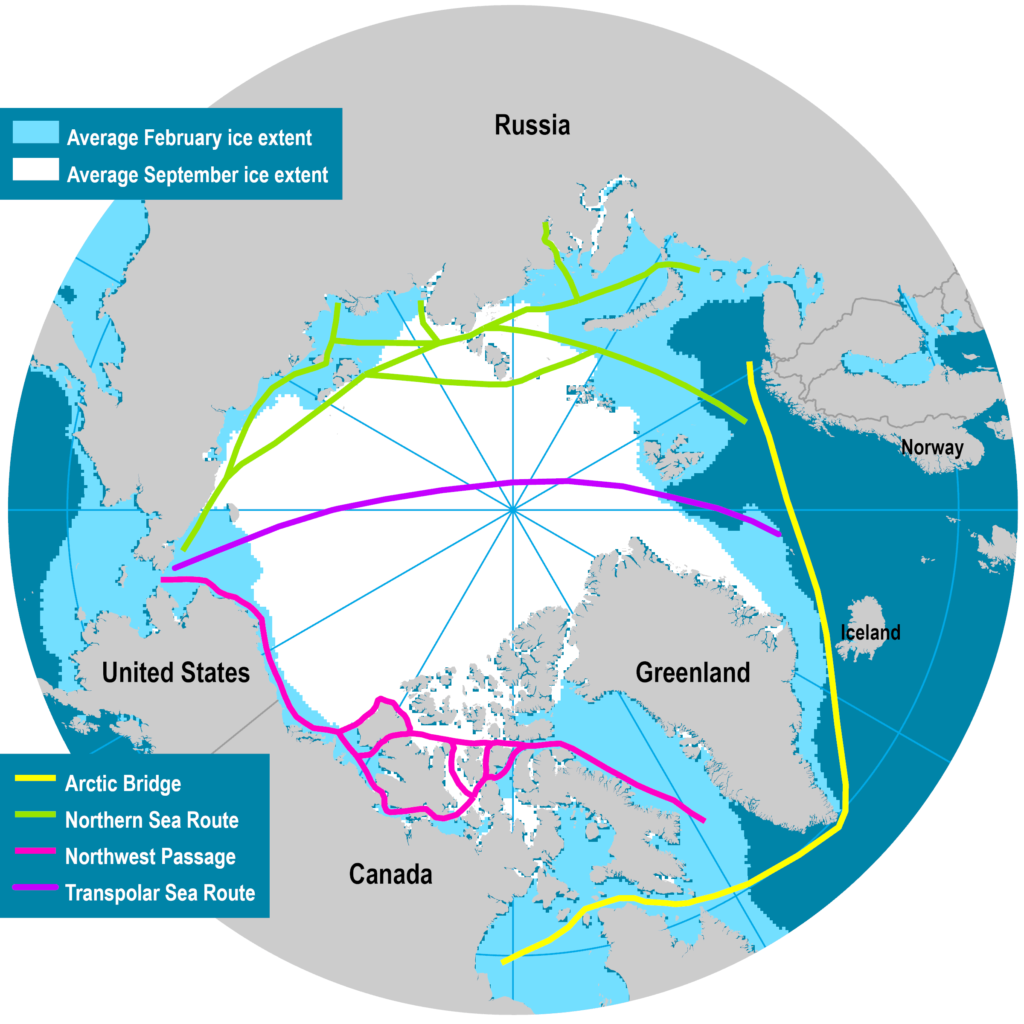
The tankers, after sailing along the Northern Sea Route, would cross the northern coast of Russia and pass through the Bering Strait, which separates the country from Alaska.
After that, the European Union continues to develop and expand the Arctic program, officials in Brussels agreed that any work in the Arctic zone should stop immediately. That is, it prohibits Russia from extracting oil and natural gas from its fields beyond the Arctic Circle.
EU representatives present “anti-Russian rhetoric” as a global concern for the future of humanity. Thus, the need to ban all mining activity in the Arctic is justified by decisions to protect the environment, as oil and gas workers are allegedly causing irreparable damage to the northern ecosystem.
“This implicit proposal is much more dangerous than the discussion of the price ceiling for Russian oil, as it does not affect only one point, but the entire energy sector and the budget of Russia at the same time,” said Nikolai Korchunov, at the plenary session ” Arctic Energy: New Challenges – New Solutions and Technologies”, held recently in the framework of the IV International Northern Forum, which was held in the form of a video conference connecting Moscow and Yakutsk.
Transportation of crude oil under sanctions
Carrying sanctioned crude oil to China along the North Sea route can generally be profitable.
1. it is the shortest route between Europe and East Asia. The route to China from Russia’s Baltic ports is half the usual route through the Suez Canal. From Murmansk to China, the tanker takes about two to three weeks, while via the traditional route it takes up to eight weeks.
2. Νo fees are charged for crossing the North Sea route and no additional documents are required when crossing the borders of other countries.
Why hasn’t this route become popular?
The fact is that with obvious advantages, there are many problems.
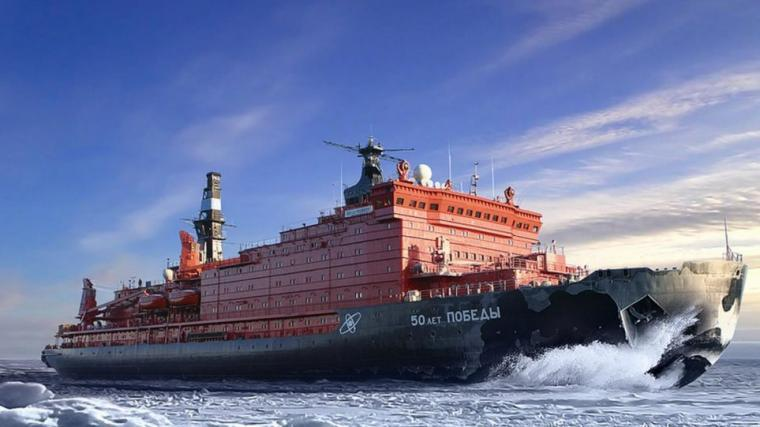
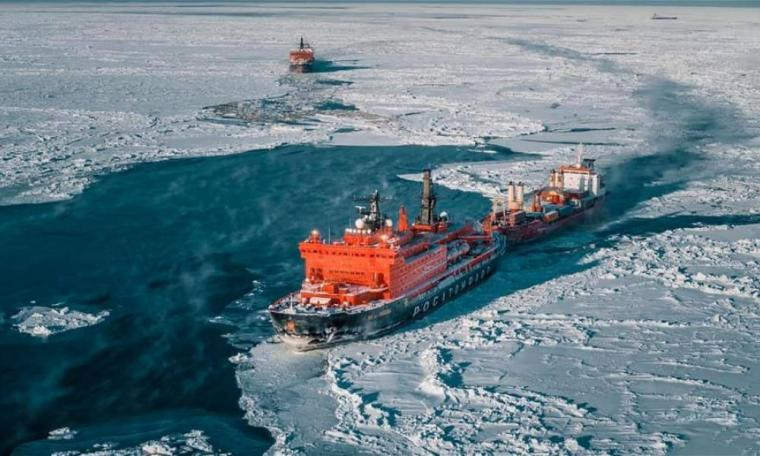
1. Τhese are the most severe sailing conditions on the planet. Russia’s northern sea route passes through icebergs and deep frosts. This leads to the second problem, icebreakers and special vessels are required to transport goods.
2. In polar winter conditions, it is almost impossible to maintain the required temperature in conventional tankers. This requires special tankers that can withstand severe temperature conditions.
To understand: earlier Russia chartered mostly European tankers of the usual class for oil transportation, after the European restrictions they should be abandoned. But Russia will not be left without a fleet, it can charter ships to Iran, India, the Arab Emirates and other countries. In the case of Arctic-class ships, this will not work, because there are very few of them in the entire world.
It’s worth noting that Russia doesn’t actually supply as much oil to the EU as it used to. Therefore, the consequences of the oil embargo are unlikely to be catastrophic. Russia currently supplies the EU with 1.2-1.4 million barrels of oil per day, while the total volume of Russian crude oil exports, including pipeline deliveries, is around 4.5 million barrels per day.
The pessimistic scenario assumes that, until the summer of 2023, Russia should reduce oil production by 500-800 thousand barrels per day, the moderately pessimistic one by 300-400 thousand.
Pessimistic scenarios are possible if the global economy plunges into a new crisis, which will inevitably lead to a drop in energy demand.

