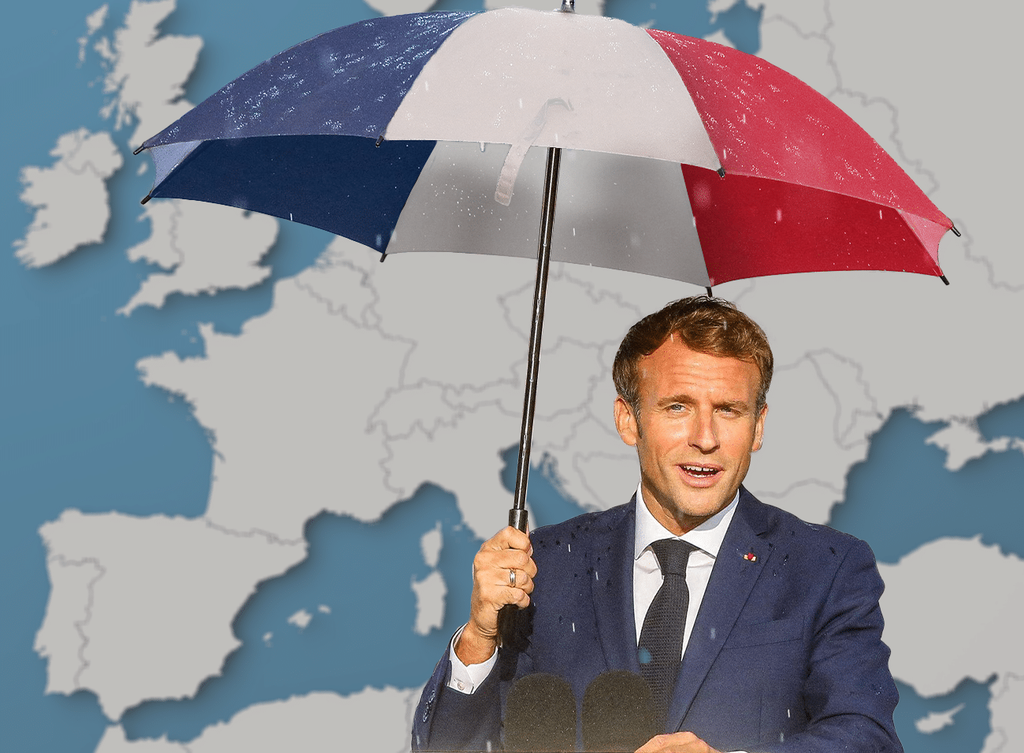

The issue of economic sanctions imposed by the US, the E.U. and other Western countries in Russia is of strategic importance. The success or otherwise of the sanctions will determine the Putin regime’s ability to continue financing and waging a large-scale war of aggression in the heart of Europe.
The wrong application of
At the beginning of the implementation of economic sanctions, immediately after the Russian invasion of February 24, 2022, overly optimistic assessments were expressed by the leaders of Western countries.
Russia’s financial system would collapse, the ruble exchange rate would go downhill, the drop in Russian GDP could reach 20%, 30% or even 40%.
None of this happened. There is always an element of political hyperbole in economic assessments of matters of strategic importance. We used to have Brexit that would “sink” the British economy. It is true that things have not gone well for the UK, but any problems cannot be attributed solely to Brexit, as we have also had the test of COVID-19.
The Central Bank of Russia reacted professionally so there was no major upheaval, despite the exclusion of major Russian banks from the SWIFT international payment system. The ruble has recovered rapidly and is above pre-invasion levels. International organizations began to change one after another their estimates of the course of Russian GDP. Broadly speaking, they estimate a 4%-5% decline in GDP in 2022, a similar decline in 2023 and a 1%-2% recovery in 2024.
So we are not dealing with dramatic changes that could convince Putin to abandon the war effort purely for economic reasons. The decline in GDP is due to factors other than sanctions, such as continued difficulties with the pandemic and the flight of many well-educated young people abroad to avoid conscription.
However, behind the general image of stability are hidden serious difficulties. For example, private consumption falls by around 9% in 2022, dropping the standard of living of most Russians. On the other hand, public expenditures – mainly those related to the conduct of the war – are increasing impressively, supporting the Russian economy in their own way, slowing down the current decline in Russia’s GDP.
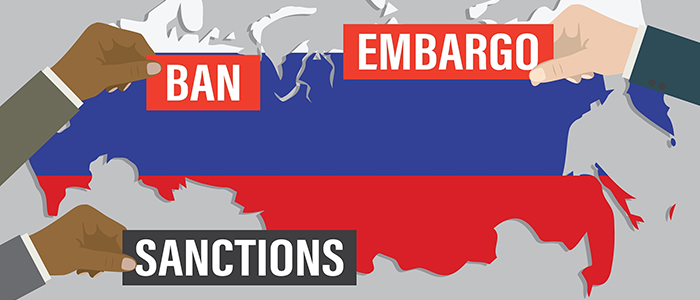
The reasons for the non-performance of the sanctions until today
The reasons for the temporary ineffectiveness of the sanctions are many.
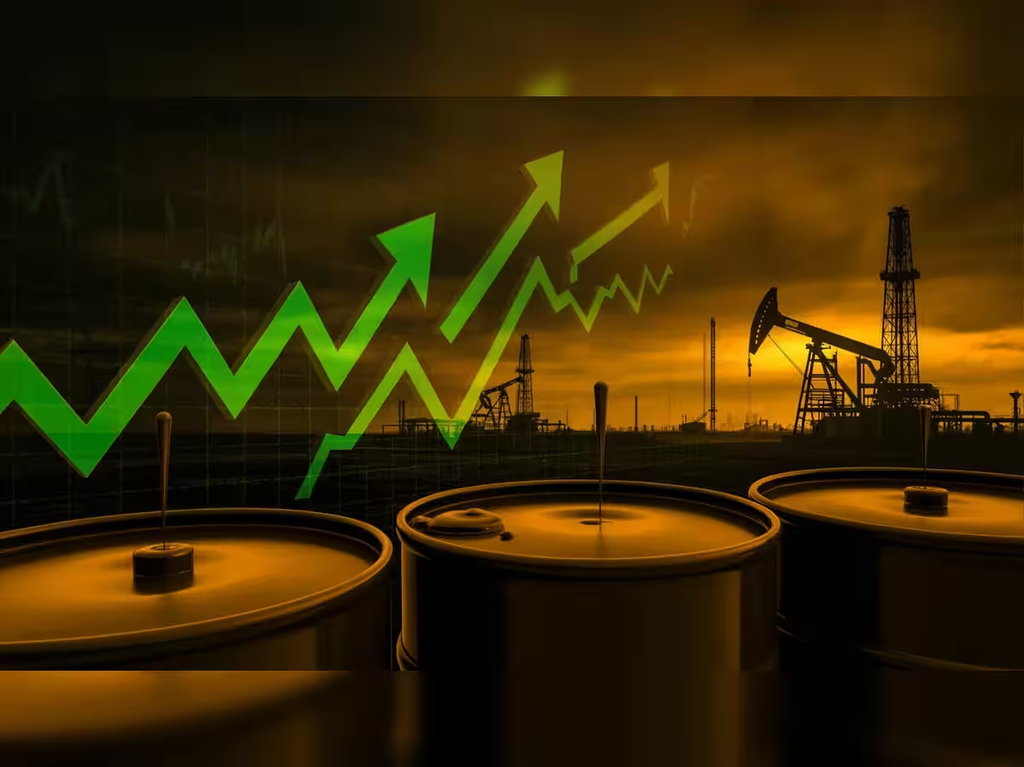
1. Vladimir Putin started the war with international oil and natural gas prices skyrocketing and made sure that his manipulations made fossil fuels more expensive. This means that in the first nine months of the war, Russia collected more in foreign exchange than in the corresponding months of 2021, despite a decrease in oil and gas exports.
2. Putin had created a “national fund” of 500-600 billion dollars, with which he can finance, for a critical period, the war effort. NATO countries and the West in general found a way to freeze Russia’s foreign exchange reserves in the order of 250-300 billion dollars. Nevertheless, Putin’s “treasury” continues to grow despite the war.
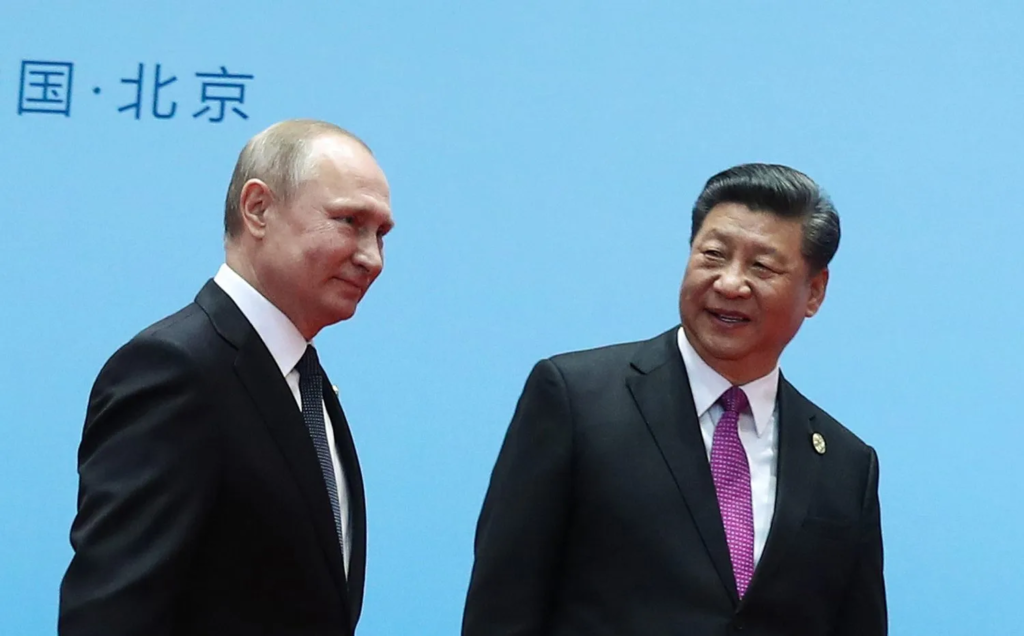
3. The world economy has changed with the specific weight of Western countries constantly decreasing. China is the second economic superpower with ambitions to become the first and is apparently not bound by the West’s economic sanctions. He believes that over time, the Russian economy will lean more on the Chinese economy, which is ten times the size. China emerged – after the start of the war and with the help of sanctions – as Russia’s first trading partner.
4. Similar is the course of relations between Russia and India. India has the world’s fastest growing major economy and aims to become a strong competitor to China for economic and strategic reasons. As part of its non-aligned policy, it has traditionally had good relations with Russia, which is also the largest supplier of weapon systems for the Indian armed forces. The latter have always faced the military challenge of China – which has border disputes with India – and Pakistan, with which there is a historical rivalry.
It is characteristic that within a few months, Russia has become the number 1 supplier of oil to India, leaving behind traditional suppliers of India such as Saudi Arabia and Iraq. It is alleged that the Russians are supplying oil to India at a 30% discount to international prices in order to make it available outside the shrinking – due to sanctions – Western market.
5. There are, intentionally, many loopholes and bypasses in their implementation. More specifically:
Sanctions are gradually applied according to the needs and competing interests of Western countries. First they cover what they consider a key priority and then they roll out the sanctions. So they are implemented gradually, incompletely and give enough reaction time to Putin’s system.
The counterargument is that immediate, drastic and full implementation of sanctions against Russia would have an exorbitant cost for the Western economy. According to the latest estimates, the Eurozone is headed for a mild recession in 2023 with a GDP decline of 0.5%-1%. This is due – to a large extent – to the implementation of the sanctions, as well as to the expected Russian countermeasures, especially in the energy sector.
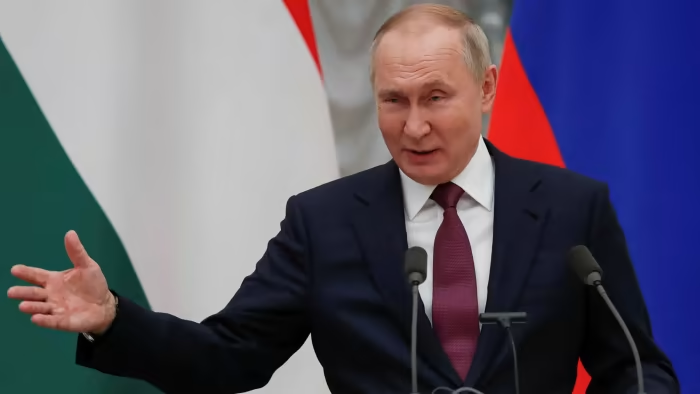
There are major Western countries that do not apply economic sanctions. Instead, they are using the restrictions as an opportunity to strengthen bilateral economic cooperation with Russia and their international standing. The most typical example is Turkey, which has managed to emerge as a privileged economic partner of Russia with the permission of the US, NATO and the EU, since Erdogan appears as a reliable interlocutor of Putin capable of passing messages or common initiatives to him.
Another example of a Western country that does not apply sanctions is Israel, which has historically relied on Jewish immigration from Russia and wants to avoid moves that could embarrass Russia’s Jews, who have a difficult—and in some cases— testimonial history.
Another reason why sanctions are relatively ineffective is that they are applied by several countries formally, but not in substance.
The example of Greece is typical, where the government combines a harsh rhetoric against Russia with its impressive economic facilitation and indeed without tourism, trade or investment exchanges.
After the invasion of February 24, 2022, Russian exports to Greece, mainly oil and natural gas, more than doubled compared to the same months of 2021. Weaning from Russian oil and natural gas is delayed and the large increase in international prices increases them ultimately the Greek financing of Putin’s war.
The same is the case with the maritime transport of Russian oil, since, according to the relevant international statistics, approximately 50% is carried out by ships of Greek interests.
The situation is even worse when it comes to the so-called golden visas. The Russians, who with a few hundred thousand euros get a Greek passport or right of residence in Greece, are automatically excluded from the scope of the sanctions.
Greek shenanigans are practiced with variations by other western countries. The question we have to answer is whether we want real, effective economic sanctions that will create a problem for the Russian war machine, or supposed sanctions that manage our economic interests without creating a serious problem for Putin and his aggressive strategy.
Why do sanctions pay off in the long term and not in the short term?
It is a big mistake to think that the relatively small short-term return of the sanctions frees the Russian economy from pressures and problems. Economic sanctions, even in the relatively cursory and uneven way they are imposed, lead to the enlargement of the problems of the Russian economy but in the medium and long term.
Many Western companies have withdrawn from Russia, which inevitably limits the dynamism of its economy. Russia is losing traditional strong partners and very good markets for its products, with Germany as a typical example. Under German Chancellor Angela Merkel we had a dynamic development of economic and energy cooperation, while now bilateral cooperation is drastically limited.
Dependencies are also created which Putin would surely like to avoid. It is losing significant economic support in the West due to sanctions and its policy, while Russia’s transformation into China’s junior partner is accelerating. On the one hand, Putin has fantasies of the Russian empire in Europe, and on the other hand, he is strategically subservient to China in Asia.
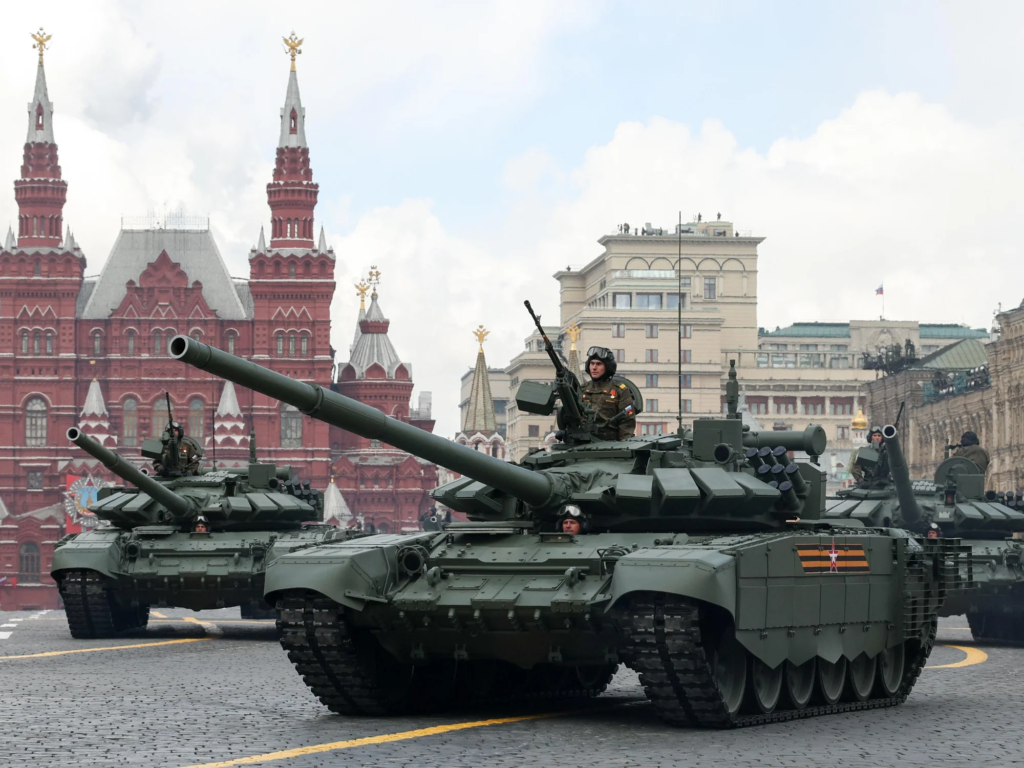
How sanctions can help end the War
Economic sanctions are unlikely to lead, solely by their momentum, to a change in strategy for Putin. But they play a role in shaping the general picture and perspective, based on which the Russian leadership will make its decisions.
After nine months of large-scale, brutal warfare, the Russian toll of military dead and wounded may exceed 100,000. Russians are beginning to be informed of mass graves of Russian soldiers in various regions of Ukraine where heavy fighting took place, while protests are being made public by those who were conscripted and sent to the front without adequate preparation and proper equipment.
Despite the withdrawal of Russian troops from the strategically important Kherson region, very few analysts believe that Russia can lose the war with Ukraine. But to destabilize the Putin regime, the war must go on for a long time without a clear Russian victory, or military casualties and mistreatment spark large-scale protests.
In shaping the general picture and outlook, economic sanctions may play the important role that they did not have at the beginning of the confrontation.