



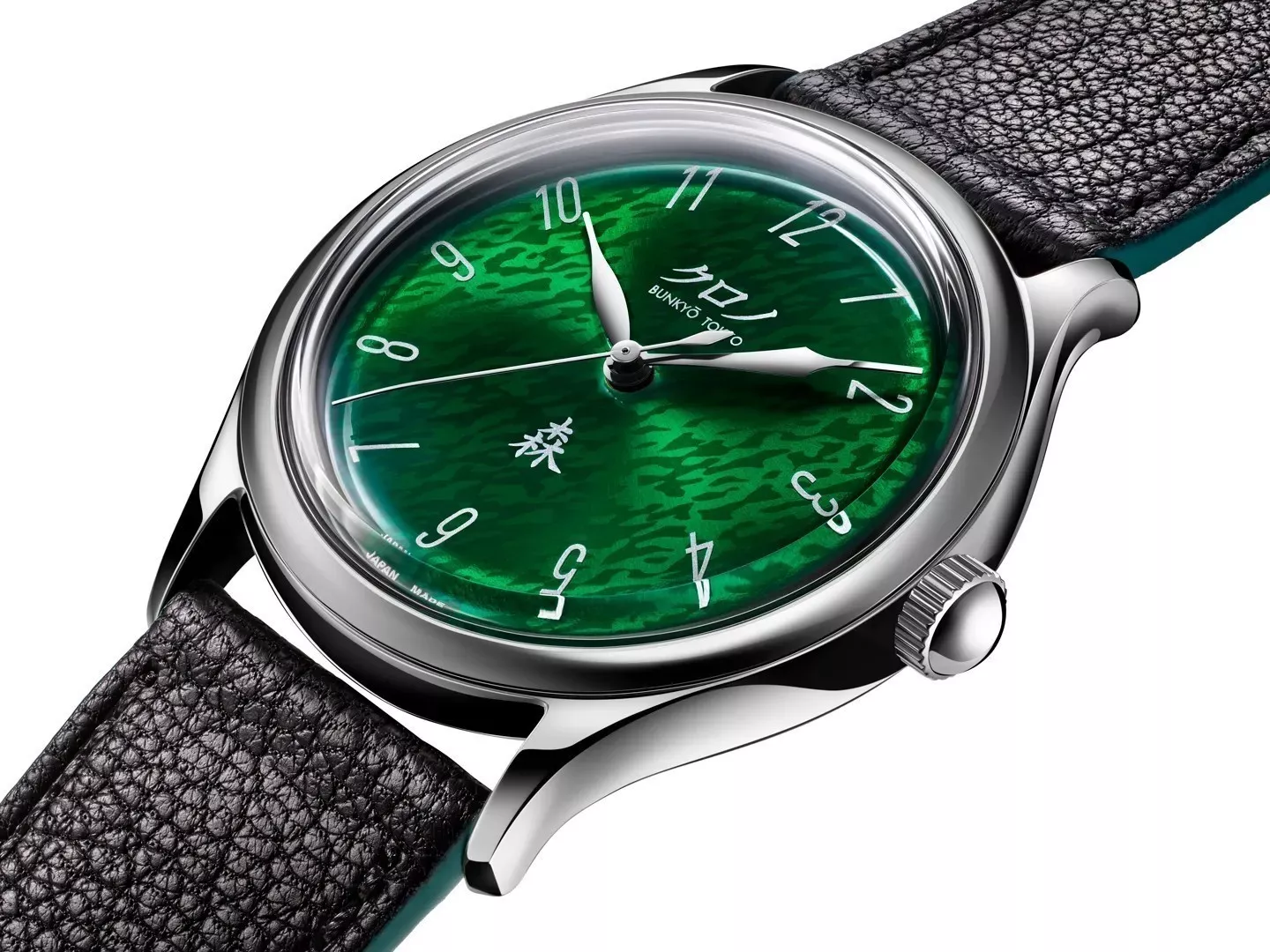
Auction houses, collectors and watch connoisseurs are captivated by the exceptional pieces created by these four up-and-coming independent watchmakers.
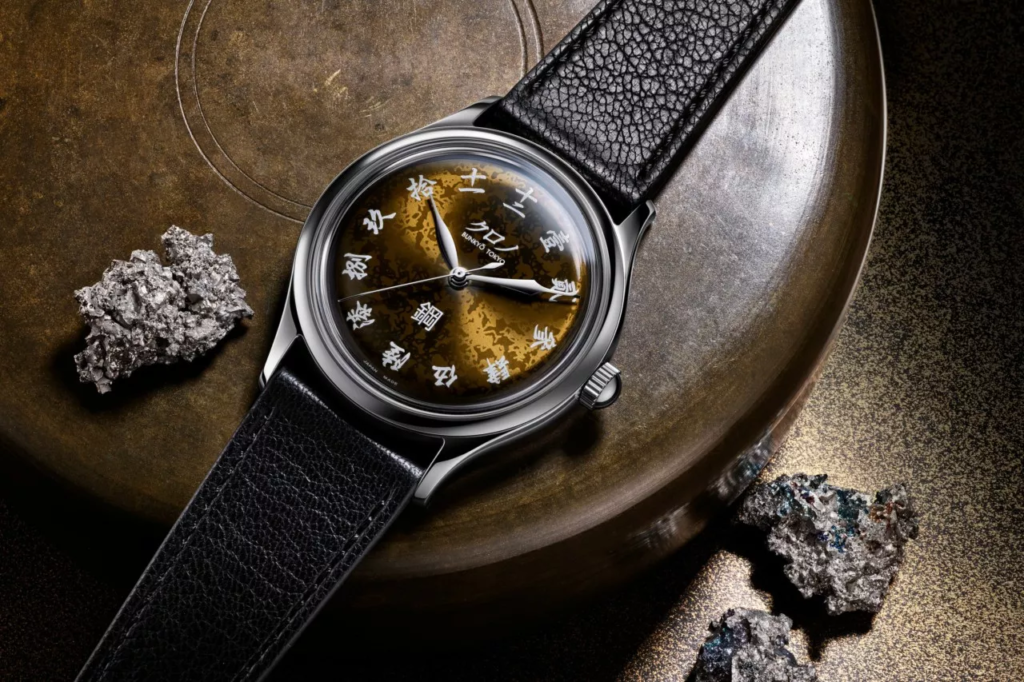
In the competitive universe of independent watchmaking, Europe holds the reins with names like Roger W. Smith, George Daniels, François-Paul Journe, Rexhep Rexhepi and Kari Voutilainen. But in Japan, the country that revolutionized the watch world in the 1970s with the advent of quartz watches, a rising class of watchmakers has been creating masterpieces in recent years, infused with the essence of traditional Japanese craftsmanship.
These craftsmen come from different backgrounds. Some worked in the luxury industry before moving into the watch world, some studied design, some attended their country’s only watchmaking school. Their common denominator is an unparalleled ability to combine arts characteristic of Japanese culture – such as glassworking and lacquerwork, for example – with exceptional and often self-taught technical skills.
- Μasahiro Kikuno
It’s hard to imagine that watchmaking works of art like the Orizuru, which hides an automatic origami crane at 12, have been born in an atelier hidden in the garage of a house in a quiet neighborhood of the city of Funabashi. There, 39-year-old Masahiro Kikuno, wearing the traditional samue – the attire worn by Buddhist monks when they go about their business – meticulously polishes and assembles the components for his elaborate and unusual timepieces.
In 2008, after completing his three-year watch repair studies at a technical school in Tokyo, he decided to stay an extra year to make a watch from scratch. He worked patiently, using the school’s equipment and tools, painstakingly studying and translating George Daniels’ book Watchmaking. He maintains the same work rhythm even now – he only makes one or two pieces a year. By the 10th anniversary of his business in 2021, he had created 18 watches, for a total of 17 clients. Kikuno believes that meeting and communicating with the customer is essential in the process of designing and creating a watch.
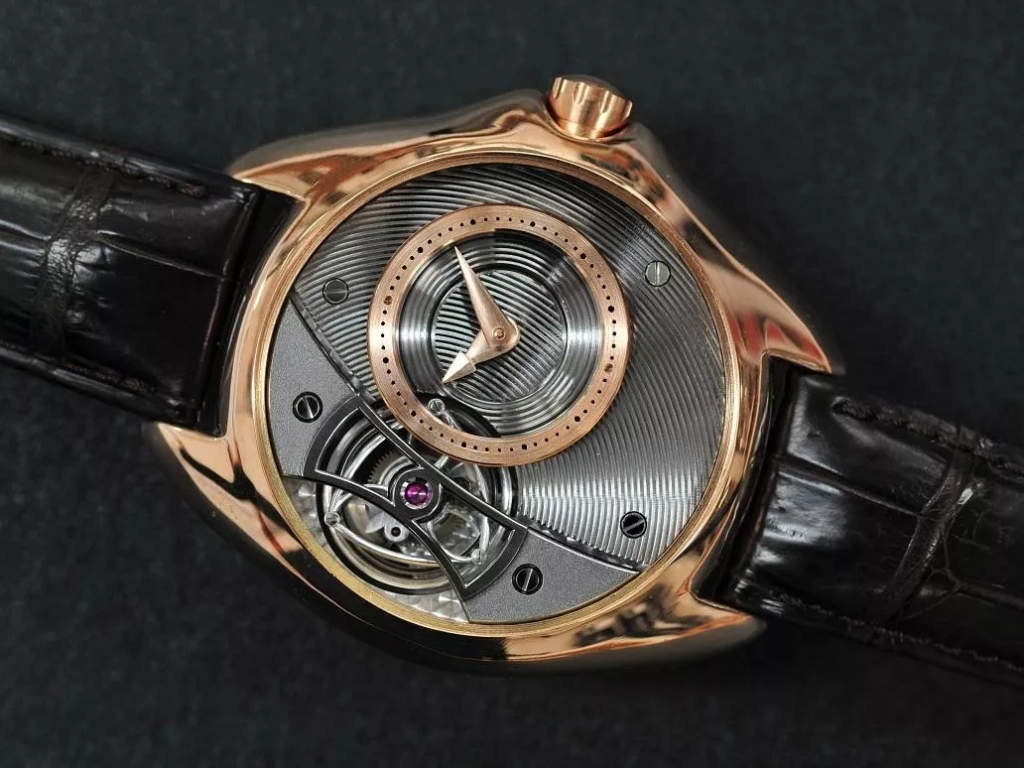
In 2011, he created his magnum opus, the Wadokei (or Temporal Hour) wristwatch, based on an old Japanese clock that measured the hours according to dusk and dawn. This is a system that was used until 1873, when Japan adopted the Western calendar. Kikuno saw a TV documentary about the wadokei, the 150-year-old watch that was made only by hand, and decided to create his own version. With a dial decorated with kanji characters (adopted from Chinese) corresponding to the signs of the Chinese horoscope, blue hands showing traditional seasonal time and purple hands showing modern time, and a case shaped like inro, the traditional wooden or paper cases that hung from kimonos – it is a watch unique in the world. A creation with which he was admitted in 2013 to the Académie Horlogère des Créateurs Indépendants (AHCI), the renowned Swiss Association of Independent Watchmakers.
- Νaoya Hida & Co.
Despite working for more than 30 years in the luxury goods industry and designing limited edition Swiss watches for the Japanese market, Naoya Hida could not find the perfect watch. So he decided to make it himself – a watch that would draw inspiration from the iconic 31mm Patek Philippe Calatrava from the 1930s, but be larger and waterproof. He joined forces with watchmaker Kosuke Fujita and engraver Keisuke Kano, and in 2018, they founded Naoya Hida & Co. in Tokyo. Their watches prove that all three share the same dream of achieving perfection.
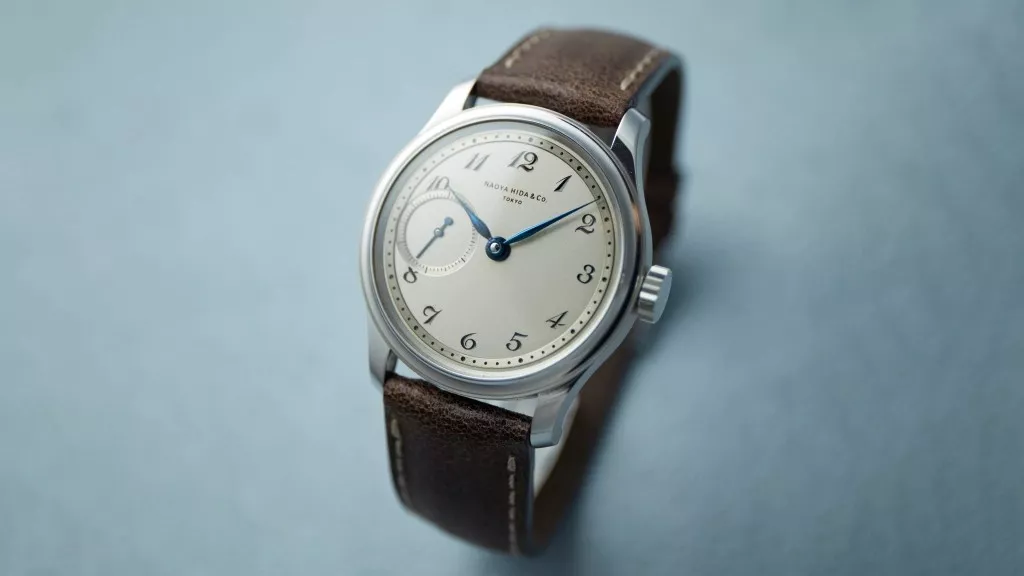
In 2019, the group released seven tracks, which sold out in three months. In 2021, they produced 40 watches which sold out in just three days. However, they say this growth rate won’t continue – the company intends to stay small. “Because we always want to make the perfect watch, we invest a huge amount of money for each component,” explains Hida.
- Daizoh Makihara
In April, Daizoh Makihara triumphed at the Geneva Masters of Horology event. Only his second model, Kacho Fugetsu (Beauties of Nature), won him not only accolades but also membership in the AHCI. The fast-rising watchmaker combines high craftsmanship with Japanese techniques—such as the 18th-century edo-kiriko glass-cutting practice—to create its intricate, sculpted dials. For this particular technique, he collaborates with top craftsmen; everything else he does himself, in his home studio, an hour from Tokyo.
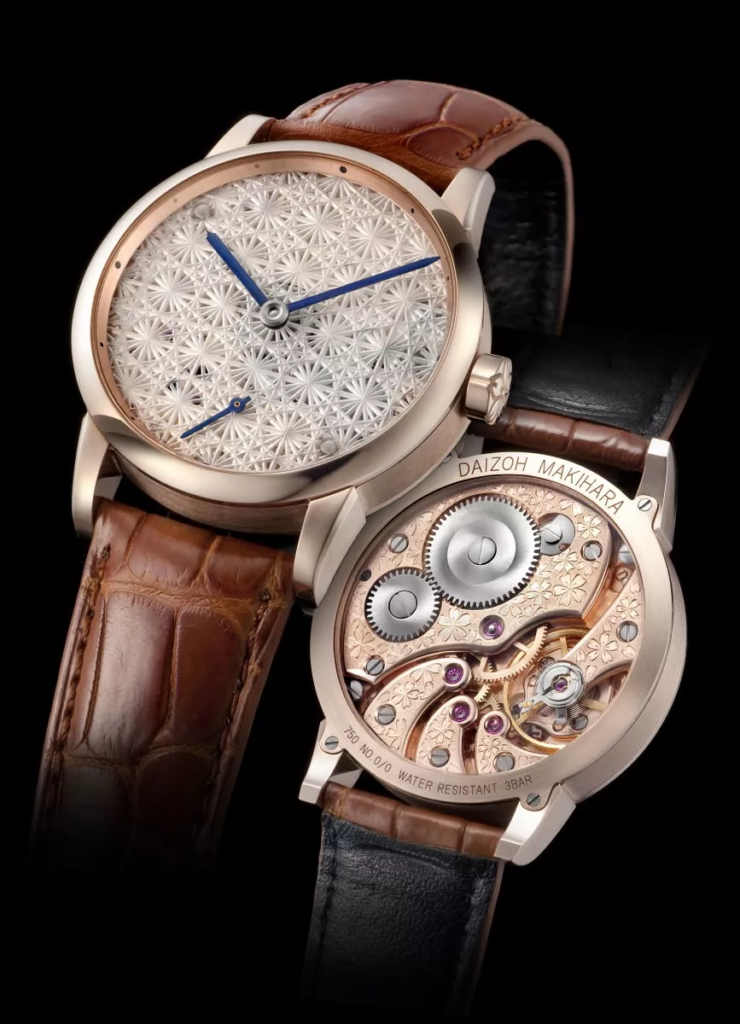
Makihara was working as a hotel cook when he decided to enroll in Hiko Mizuno Jewelry College’s watchmaking course. In 2009, while still a student, he took part in a TV show where participants have the opportunity to meet a famous person they admire. For Makihara, it was Swiss independent watchmaker Philippe Dufour. Makihara served a stint in Dufour’s workshop learning the art of fine watchmaking.
- Hajime Asaoka
Unlike the typical workshops of independent watchmakers, Hajime Asaoka’s atelier is full of computers. Self-taught and a pioneer, 57-year-old Asaoka makes everything from scratch and releases about five watches a year.
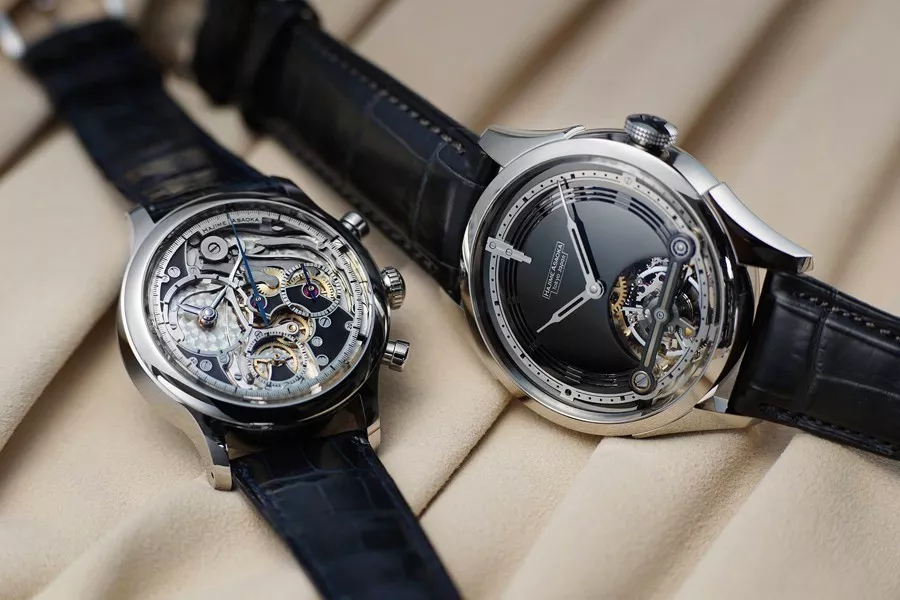
In addition to Hajime Asaoka Tokyo Japan, he also runs the watchmaker Kyrono, which manufactures complication prototypes with an art deco design, but also limited edition models with dials decorated with ancient lacquer techniques by top Japanese craftsmen that, as he explains, “tend to sell out within minutes of being released.”
https://www.masahirokikuno.jp/
https://naoyahidawatch.com/
https://www.daizohmakihara.jp/en/
https://pwtokyo.co.jp/index.html
https://kuronotokyo.com/


