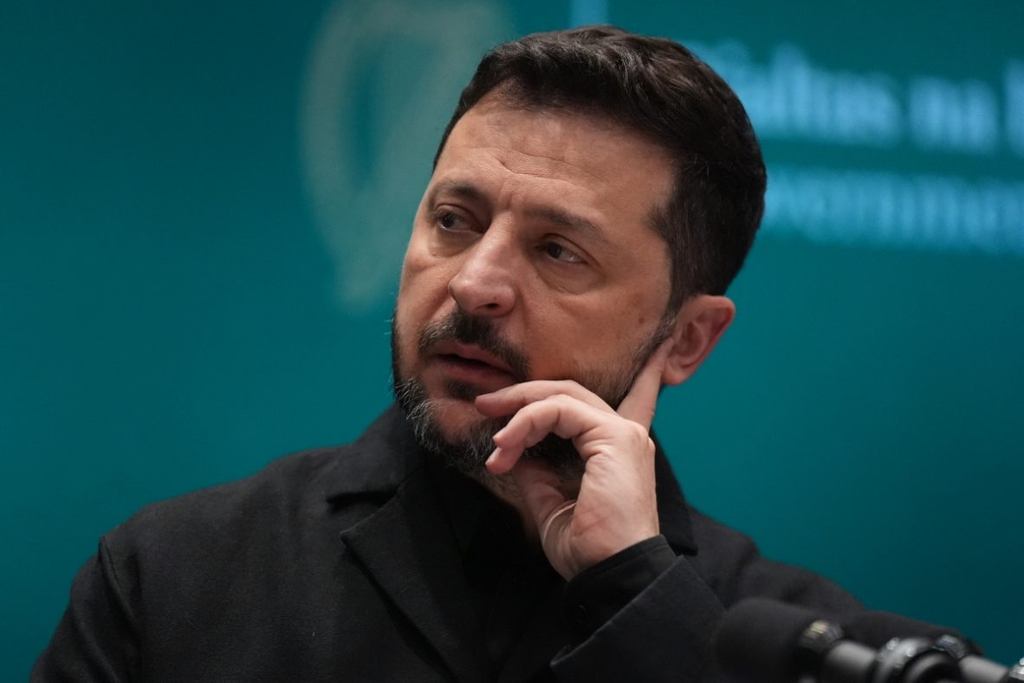
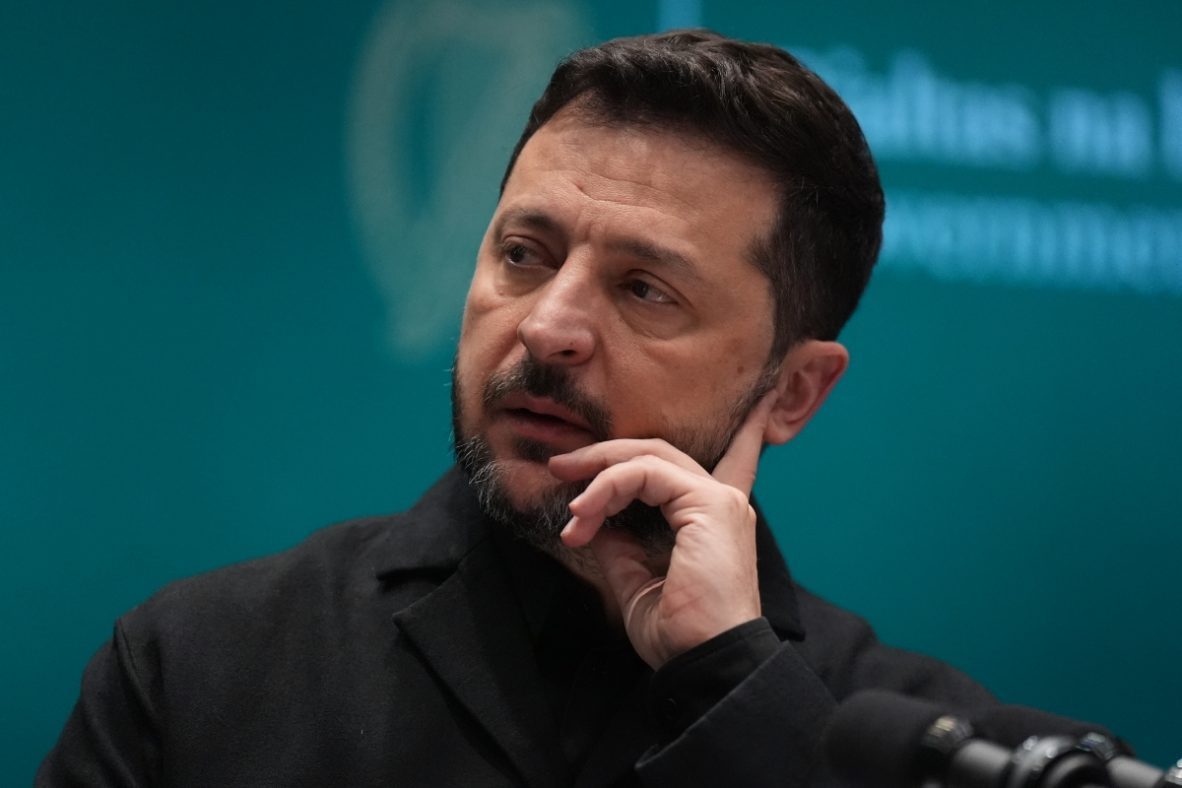
Ukrainian President Volodymyr Zelensky has revealed a highly significant development in diplomatic efforts to end the war in Ukraine, stating that the United States has—for the first time—raised the possibility of ceding Ukrainian territory to Russia in exchange for Kyiv’s accession to NATO.
This revelation, made on Saturday, November 14, has sparked intense debate regarding the future security architecture of Europe, as it links two of the conflict’s most contentious issues: Moscow’s territorial claims and Ukraine’s pursuit of NATO membership.
American negotiators explored whether Ukraine might be willing to withdraw from the Donbas in return for securing NATO membership. It should be noted, however, that this was an exploratory proposal rather than a finalized agreement or an official commitment from Washington.
The American Proposal and Kyiv’s Reaction
The Ukrainian President described a question posed to him by the American side: what would happen if Ukraine were to join NATO but withdraw from the Donbas?
This approach signals a potential shift in the American negotiating strategy, as Ukraine’s accession to the Alliance is now being presented as a possible trade-off for territorial concessions.
Zelenskyy, however, reiterated that Ukraine is not prepared to cede territory to Russia, while emphasizing that any agreement must be accompanied by concrete and credible security guarantees.
Despite this categorical stance, he left open the possibility of holding a referendum—provided that a comprehensive plan is presented, one that includes guarantees from the West, the maintenance of strong Ukrainian armed forces, and sufficient funding for the country’s reconstruction.
As he explained, such a critical decision cannot be made by him alone; rather, it must be submitted to the judgment of Ukrainian society.
Donbas at the heart of the negotiations
Donbas is one of the most significant regions in eastern Ukraine, both due to its strategic location and the political and military importance attributed to it by Russia.
Moscow seeks full control over the Donetsk and Luhansk regions, while continuing to lay claim to Ukrainian territories it has failed to seize militarily.
For Kyiv, any concession would represent an extremely painful political choice, as it could be perceived as legitimizing the territorial outcomes of the Russian invasion.
At the same time, a critical question arises: could NATO membership compensate for the loss of Ukrainian territory?
The answer is not simple, given that accession to the Alliance would offer Ukraine collective defense guarantees, but would require the agreement of all member states and the overcoming of serious political and strategic obstacles.
Russia rejects the prospect of NATO membership
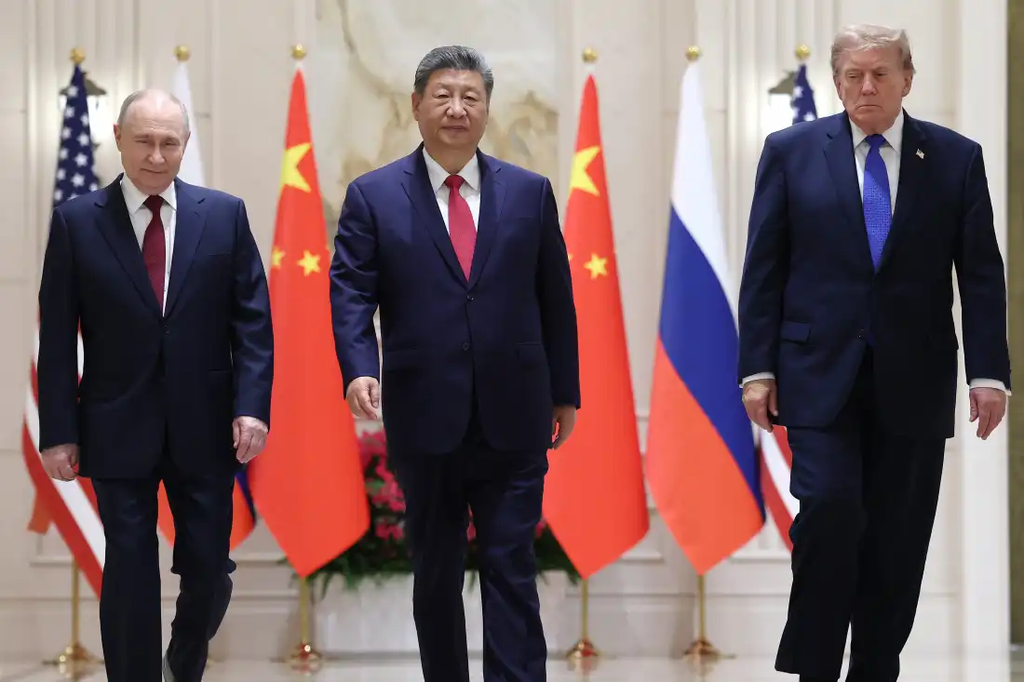
Russian President Vladimir Putin has repeatedly described Ukraine’s accession to NATO as unacceptable for Russian security, while Moscow continues to call for substantive changes to the European security architecture.
In recent negotiations, Russia has revived demands that include restrictions on NATO’s military presence in Eastern Europe—reiterating positions it had articulated prior to the invasion in February 2022.
These specific demands would directly affect countries such as Poland and the Baltic states, leading to significant shifts in the European security landscape.
Consequently, even if Kyiv were to accept a territorial compromise, there is no guarantee that Russia would consent to Ukraine joining NATO.
Negotiations in Abu Dhabi and the role of Trump
Despite the diplomatic activity, the talks did not lead to a substantive agreement to end hostilities.
However, an agreement in principle was reached on a prisoner exchange involving more than 1,000 people; the possibility of a limited ceasefire in the energy sector was also discussed, though no progress was announced in this regard.
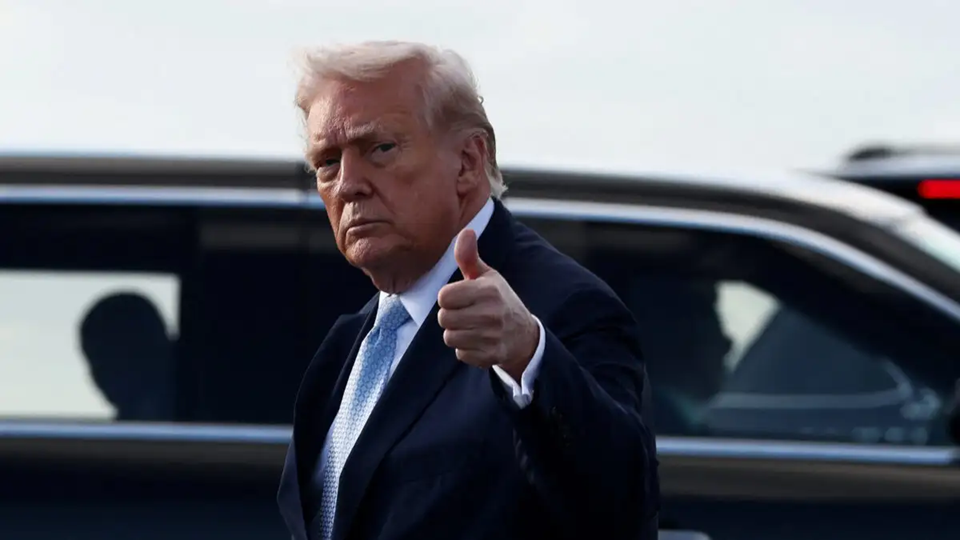
The Donald Trump administration is seeking to accelerate the diplomatic process, aiming for an agreement that could end the conflict—which is now nearing its five-year mark.
Europe seeks a seat at the negotiations table
The stance of European governments—which are keen to avoid being relegated to the role of mere observers—is also of particular significance.
During recent discussions in Dublin, European leaders agreed that European representation in future negotiations will include Britain, France, Germany, Italy, Poland, and the institutions of the European Union.
European Commission President Ursula von der Leyen underscored the need to continue supporting Ukraine and maintaining pressure on Russia, announcing new sanctions and initiatives for the economic reinforcement of Kyiv.
European involvement is considered crucial, as any agreement will directly affect the continent’s security for decades to come.
An agreement with an immense geopolitical price
Linking the ceding of territory to NATO membership highlights the magnitude of the dilemmas facing the parties involved.
For Ukraine, such an agreement could mean stronger future protection, but at the cost of losing national territory. For Russia, potential territorial gains would come with the prospect of the North Atlantic Alliance establishing a presence even closer to its borders.
Finally, for the United States, the issue presents a particularly difficult diplomatic equation, as it requires compromises between parties with fundamentally conflicting objectives.
The crucial question now is not merely whether Ukraine will accept territorial concessions, but whether the West and Russia can agree on a new security framework that would prevent the war from recurring.
As of now, the gap between the positions of Kyiv and Moscow remains wide; meanwhile, the American initiative—despite its diplomatic weight—has yet to establish a mutually acceptable basis for a peace agreement.