



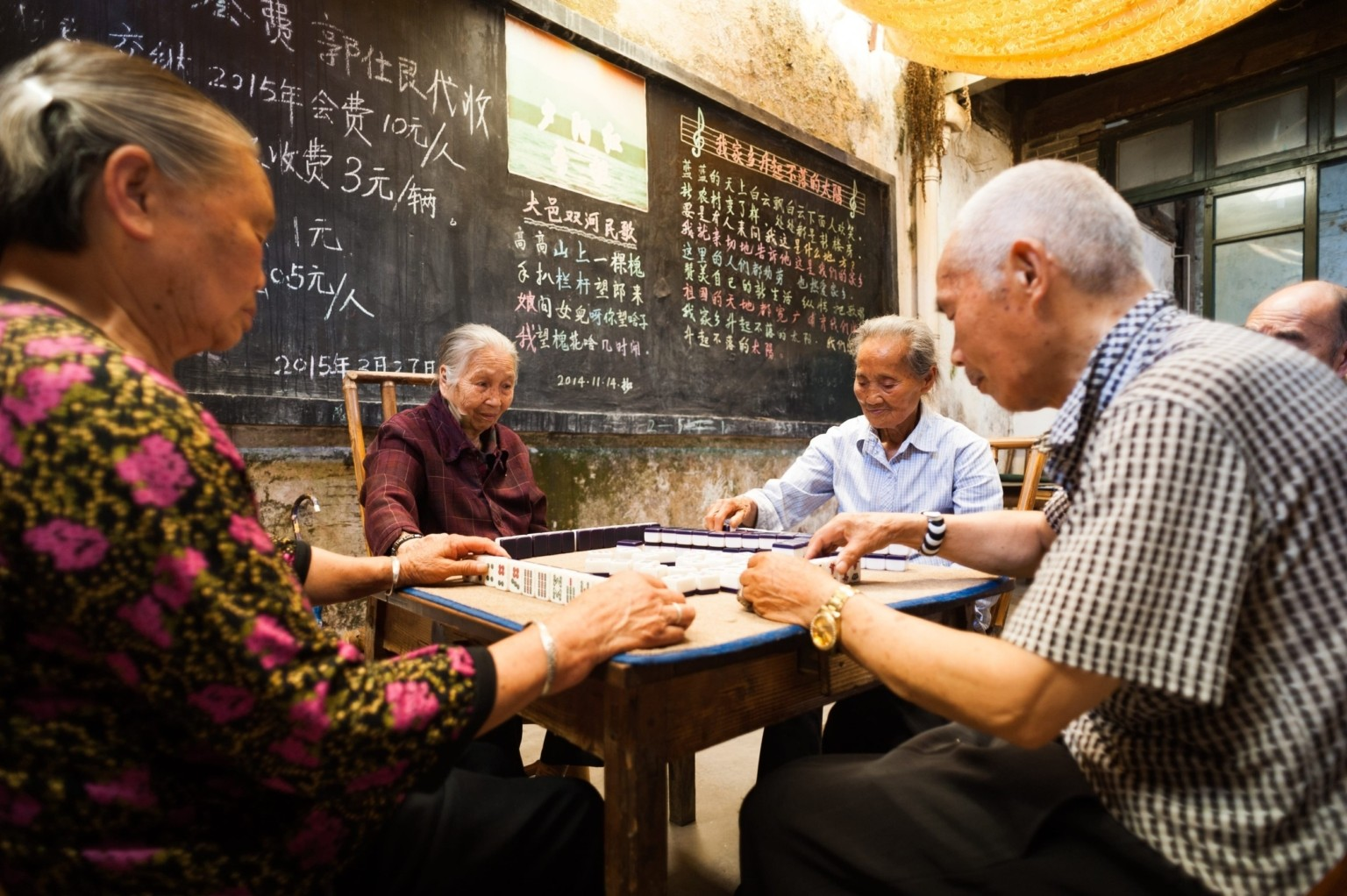
It is not news that Japan has one of the oldest populations in the world, nor that there are over 100,000 centenarians in Japan as of 2026. What is truly remarkable is that most of these elderly individuals show no signs of slowing down.
The story of Mieko Nagaoka—who took up swimming after the age of 80 due to a knee injury sustained while practicing traditional Japanese theater—might sound like an anecdote, but it is a fact.
She went on to set a world record in her age category by swimming 1,500 meters in a 25-meter pool. By the age of 105, she was still competing in Masters-level events and had, by then, set 18 world records!
The list of active seniors in Japan is a long one. What, then, is their secret? Does it lie in their competitive nature, or is there something deeper at play?
Food and Ikigai
When Japan began recording its centenarian citizens in 1963, the number of people aged 100 or older stood at just 153. By 1981, this figure had reached 1,000, and by 1998, it surpassed 10,000. Today, the number of centenarians has reached 107,677.
A healthy diet and an active lifestyle are the clear reasons why many Japanese people reach the age of 100. The cuisine of this island nation is based primarily on fish, vegetables, and rice, and contains significantly lower amounts of saturated fats compared to many Western dietary habits.
The choice of fresh, unprocessed foods is a conscious one, involving little to no sugar. The Japanese consume raw fish—most notably in the form of sushi and sashimi—as well as various foods that have been pickled, fermented, or smoked. They avoid the consumption of red meat. Obesity rates across the entire population remain consistently below 5%, which in turn lowers the risk of ischemic heart disease, diabetes, stroke, and even cancer.
At the same time, older adults remain physically active—taking frequent walks, using public transportation, and, for those able to do so, cycling or performing stretching exercises. There is an accessible healthcare and preventive medicine system in place, which allows for regular medical check-ups.
All of this is rooted in the philosophy of Ikigai. Do not imagine anything extreme; in Japanese, iki means “to live,” and gai means “reason.” Together, they form the “reason for living”—the way each individual defines their own purpose in life.
Ikigai is the world of small things: waking up in the morning, a cup of tea, a ray of sunlight, social interaction.
An Aging Population
Meanwhile, Japan has been grappling with an aging population for years. A telling indicator of the scale of this phenomenon is that, for over a decade, sales of adult incontinence diapers have surpassed those for infants.
Aging societies have now become a global phenomenon. According to data from a United Nations report, the number of people aged 80 and over is expected to triple by 2050, reaching 426 million—up from 143 million in 2019.
Japan possesses a particularly strong cultural foundation, which fosters an exceptionally proactive attitude among its citizens toward old age.
In Japanese culture, the fear of becoming a burden to society and one’s family is, in many instances, even more intense than the fear of death.
Consequently, this mindset manifests as a persistent effort to maintain independence—both financially and psychologically—reflecting a vision of life befitting those who wish to die with dignity.

