

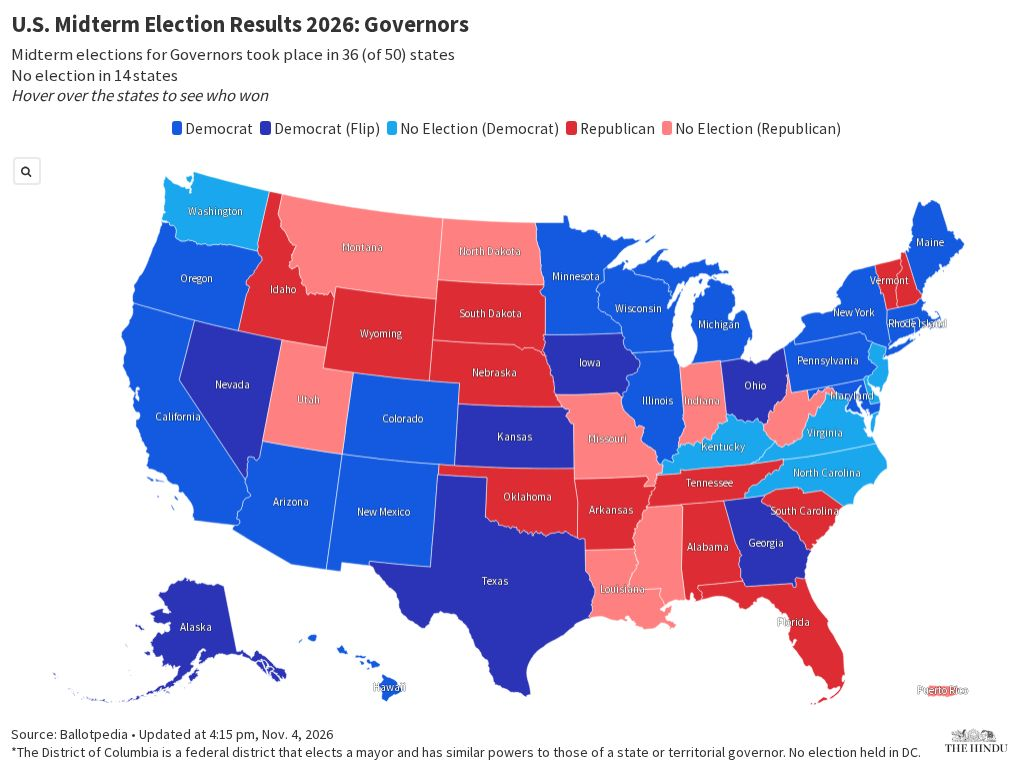
In the midterm elections of November 3rd, the Republicans were crushed, losing control of both the House of Representatives and the Senate, as Donald Trump’s promised “golden age” collapsed into political humiliation. Trump had essentially implored Republican voters to imagine that his own name was on the ballot. They followed his advice and voted accordingly.
The result was a national rejection of an administration that had promised to restore American greatness, but instead resurrected the very establishment it was supposedly meant to destroy. Two years after his triumphant return to the White House, Trump dragged his party into the abyss. The Democrats did not win because they offered a wonderful alternative; they won because millions of Americans had grown tired of being deceived.
At the heart of this catastrophe lies Trump’s unnecessary war against Iran—a conflict driven by Israeli interests and supported by the Zionist interventionists who have regained their influence in Washington. Trump promised to keep America out of foreign wars.
Instead, he allowed the United States to become embroiled in yet another catastrophe in the Middle East, sacrificing American prosperity to the geopolitical ambitions of Benjamin Netanyahu. The consequences extended far beyond the battlefield. Gasoline and diesel prices skyrocketed, transportation costs rose, and ordinary Americans found themselves paying for a war they neither wanted nor needed.
Truck drivers, farmers, industrial workers, and families were forced to bankroll yet another escapade of the foreign policy establishment. The president who promised to put America first placed foreign interests—specifically Israeli interests—above his own people once again.
The economic consequences were particularly devastating because Trump had built his political comeback on a simple promise: everything would become cheaper. Gasoline, groceries, housing, electricity, and basic necessities were supposed to become affordable once again. Instead, the American consumer was confronted with rising costs, economic uncertainty, and the spectacle of a president congratulating himself while ordinary households struggled.
The war in Iran intensified the energy crisis, while tariffs and Washington’s economic experiments added further pressure. The Republican leadership expected voters to celebrate patriotic slogans even as they paid more at the gas pump. But slogans cannot fill a fuel tank, and speeches about American greatness cannot pay the grocery bill. The working Americans who had returned Trump to power discovered that this “golden age” existed primarily in presidential speeches.
This betrayal extended to the issue of immigration. Trump had promised mass deportations, the restoration of border sovereignty, and a decisive break from the immigration policies of his predecessors. However, the sweeping deportation campaign his supporters expected never materialized on the scale that had been promised.
There were law enforcement operations, confrontations, and endless declarations of “resolve”—but nothing resembling the comprehensive transformation touted during the election campaign. The administration opted for dramatic announcements and carefully staged displays of power, rather than the difficult task of radically restructuring the immigration system.
Once again, the gap between Trump’s rhetoric and his actual achievements proved impossible to conceal. Millions had voted for a national restoration—not for yet another theatrical production in which the same old problems persisted under a new set of slogans.
America, too, failed to see the great industrial and infrastructural revival that Trump had promised. Where were the magnificent new factories, the rebuilt bridges, the transformed railways, and the industrial cities emerging from decades of neglect? Where was the national construction program that would have signaled a genuine break from the exhausted economic policies of the past?
Regardless of any individual investments or projects the administration might have touted, there was no comprehensive transformation of infrastructure—nothing commensurate with the grand, historic rhetoric Trump had employed. The American heartland remained burdened by declining communities, deteriorating public facilities, and the long-term consequences of deindustrialization.
Instead of directing national resources toward reconstruction, Washington reverted to familiar priorities: military might, geopolitical confrontation, and the demands of powerful economic interests. America was promised a rebirth, but instead received another round of imperial maintenance.
The collapse of the Republicans signifies something more significant than yet another shift in control of Congress. It represents the destruction of a political illusion that captivated millions of Americans and inspired nationalist movements throughout the Western world. Trump:
- Promised peace and brought war.
- Promised prosperity and brought higher prices.
- Promised mass deportations, yet failed to deliver the transformation his supporters expected.
- Promised an industrial rebirth, yet offered no major national reconstruction.
- Promised, above all, to defeat the neoconservative establishment—only to end up adopting its agenda.
The tragedy is that the Democrats, who have benefited from this spectacular failure, represent much of that same decaying political order. America now finds itself trapped between two parties that squabble over… rhetoric, while preserving the fundamental structures of imperial power.
The golden age never arrived. The American people were offered a revolution, but instead received yet another administration of the old regime. Trump’s greatest political achievement may ultimately have been the destruction of the movement he claimed he would save.

