



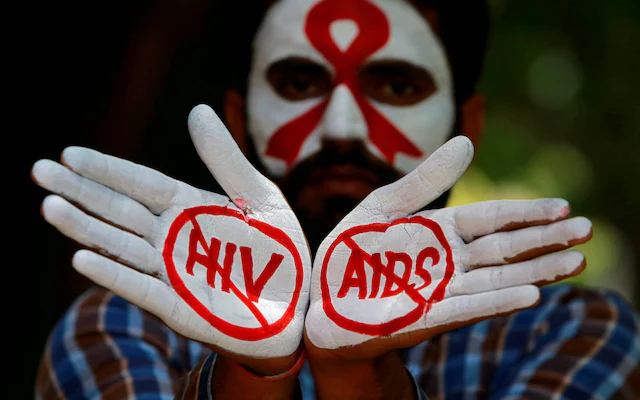
Cuts to health funding have affected global supplies of HIV medicines and diagnostic tests, with some healthcare providers reporting shortages of essential products, according to a survey conducted across 40 countries.
Organizations providing HIV care revealed that more than half (55%) had run out of supplies within the past year, noting critical shortages of HIV tests and PrEP (pre-exposure prophylaxis)—a prescription medication taken to reduce the risk of HIV infection.
Alarming figures
The survey by the International Planned Parenthood Federation (IPPF)—a network of organizations across more than 170 countries dedicated to sexual and reproductive health, rights, and justice—showed that at the time of the survey, 40% of its members reported having completely run out of stock for at least one product, while 60% had critically low stock levels for at least one product.
Insufficient funding
The IPPF Africa Regional Office states: “These shortages serve as a warning of what happens when funding becomes uncertain and the supply systems upon which communities depend become fragile.”
An imminent risk
We cannot allow decades of progress against HIV to be lost simply because products are unavailable. This is not a distant risk—it is already happening.
HIV infections are rising in some countries around the world, and lives are being lost.
Lack of diagnostic tests
Findings from the 40 member organizations that responded to the survey indicated that rapid HIV diagnostic tests were the product most severely affected.
While almost every organization participating in the survey provides testing services, 17 reported low stocks and another five reported a complete lack of availability; this means that more than half are unable to offer continuous point-of-care diagnostic testing.
Shortage of medication
Oral and injectable PrEP medications were also in short supply, with 12 member organizations reporting low stocks or a total lack thereof. Without reliable access to these essential supplies, there will be gaps and interruptions in care for individuals seeking health services from IPPF member organizations.
Inadequate and unreliable stocks
Overall, survey participants from the Arab world, Asia, Oceania, Europe, the Americas, and the Caribbean stated that supplies—including condoms and antiretroviral therapy—were inadequate and unreliable.


