
In the geopolitical chessboard of global diplomacy, the power of states has traditionally been shaped by energy reserves, gold or heavy industrial production. However, a new reality is rapidly taking shape in the modern economic environment.
Basic agricultural products, such as grains, as well as the means of their production, are gradually becoming the ultimate strategic asset. What was once considered a simple commercial good within the supply chain is now used in a way that is strongly reminiscent of the practices of oil-producing countries in the 1970s.
Unhindered access to basic nutrition is now the most powerful tool of geopolitical influence, ushering in the era of the so-called “food nationalism” on a global scale.
How is seed and crop control reshaping international balances?
Until recently, the world food market operated on the principle of uninterrupted and free flow. States imported and exported agricultural products based on the principle of comparative advantage, trusting the multilateral trading system.
This condition has now been radically overturned. The increasing instability in international transport and abrupt changes in weather phenomena have led many governments to a profound revision of their long-term strategy.
In order to ensure domestic sufficiency and contain domestic inflation, major producing countries are imposing sudden bans on the export of basic food items. From cereals to rice, protectionist policies are multiplying.
This national folding is causing chain reactions in international markets. Countries heavily dependent on imports are suddenly faced with serious shortages, realizing the bitter truth of the new global trade. Foreign exchange reserves alone are not enough to ensure the feeding of the population if producing countries refuse to put their products on the market.
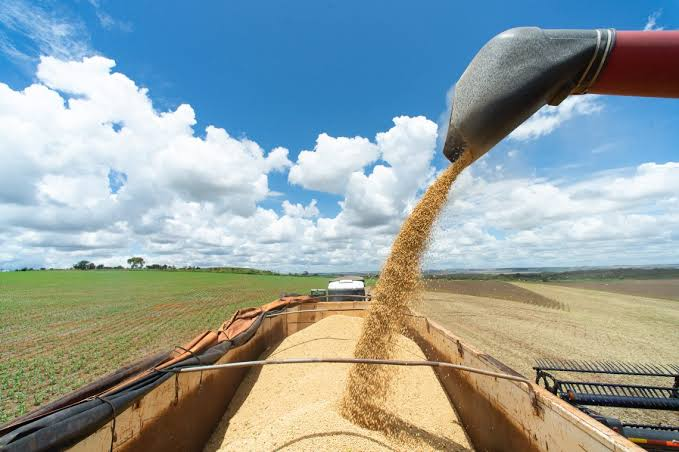
The means of production as instruments of international pressure
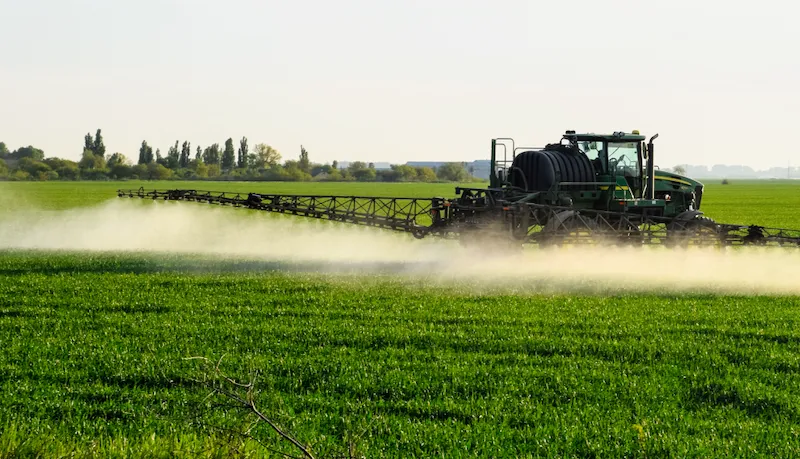
The shift in power is not limited to the final consumer product. Perhaps the most critical parameter of this new geopolitical competition is found in the strict control of the means of production, namely agrochemicals, fertilizers and seeds.
Modern industrialized agriculture is absolutely dependent on fertilizers to maintain its high yields. Their basic ingredients, however, come from specific deposits, the extraction and processing of which are controlled by an extremely limited number of countries worldwide. This concentration of production creates an oligopoly of enormous strategic importance.
The countries that possess these deposits fully understand their value and now openly use them as a lever of pressure in their bilateral relations. At the same time, the control of patented high-yielding seeds by a few multinational groups adds another layer of state dependence. Nations that do not have their own agrochemical industry or resistant domestic seeds become completely vulnerable to the whims of their suppliers.
The Redistribution of Global Influence
The dynamics that are developing are redrawing the map of international alliances. Just as the need for cheap oil defined diplomatic relations and stability pacts in the twentieth century, so the need for grain and fertilizer defines today’s alliances.
1. Food diplomacy: Countries with agricultural surpluses offer guaranteed supplies to smaller or less fertile states. In return, they demand diplomatic support, crucial votes in international organizations, or favorable trade agreements in completely different areas.
2. The pressure on developing economies: In this equation, developing economies are in the most difficult position. As their public coffers are squeezed, they are unable to compete with rich countries in the market for expensive fertilizers.
The end result is reduced domestic agricultural production and further dependence on imports, creating a dangerous cycle of economic inequality and geopolitical alignment with more powerful decision-making centers.
Food self-sufficiency as defence
The international community is entering a phase where the model of the free and unfettered market is giving way to the imperatives of state security. Governments all over the world are now recognizing that food dependence constitutes a fundamental threat to their very social cohesion.
In response, there is a massive shift towards designing long-term strategies to strengthen domestic production, even at significantly increased economic cost. The creation of large strategic food reserves, the direct subsidy of domestic producers and the targeted search for alternative cultivation methods are now part of the hard core of national planning.
The globalization of food is systematically retreating. The new international environment requires careful strategic alliances and huge public investments, as control of agricultural production has definitively become the most valuable currency on the modern geopolitical chessboard.