
A milestone for the Chinese space program is the successful recovery of the first stage of the rocket, as China has successfully landed a reusable first stage after launching a satellite for the first time.
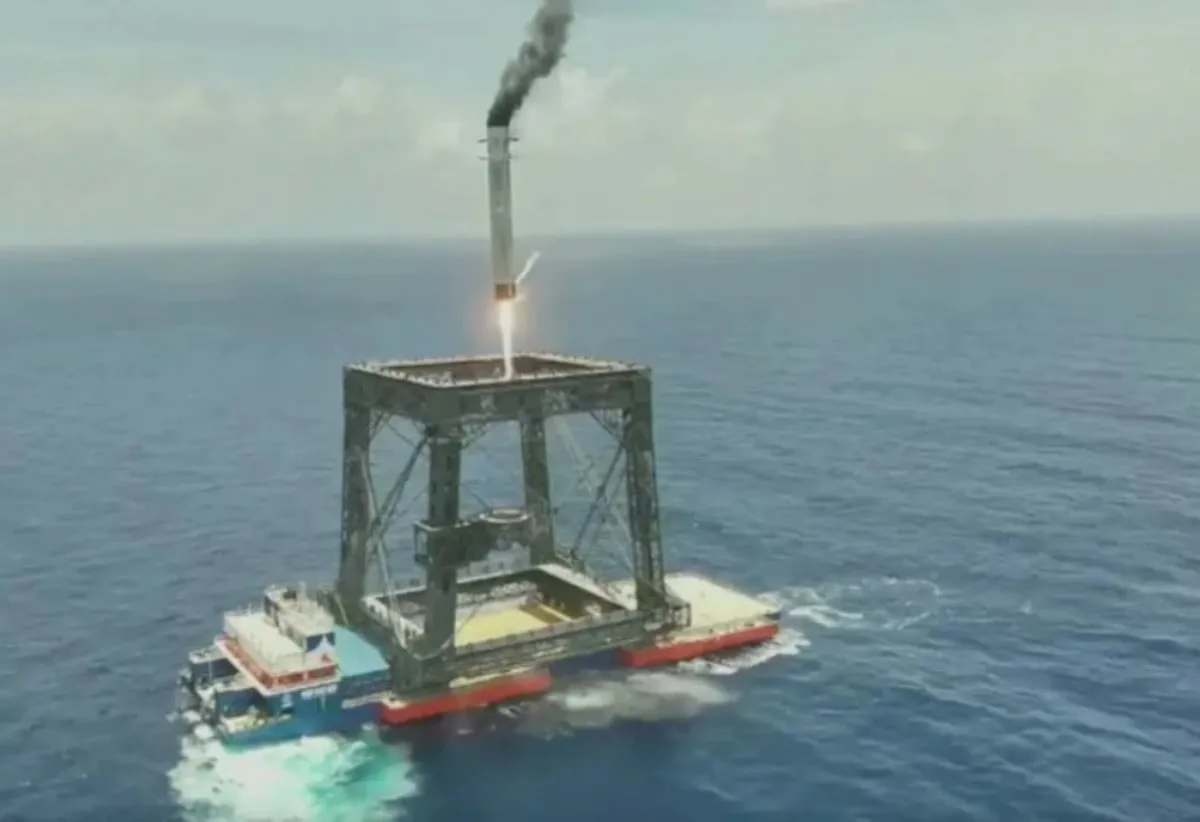
The mission was carried out with a Long March 10B rocket, which took off carrying its payload into Earth orbit. After the successful separation of the second stage stage, the first stage stage performed a controlled return and vertical landing on a sea platform, successfully completing a process that until now had only been achieved operationally by the American SpaceX.
If the success is repeated in subsequent tests to demonstrate the reliability of the technique, China will become the second country to have a proven ability to recover and reuse rockets after orbiting missions, which is expected to intensify competition in the commercial and government space launch sector.
The ability to recover and reuse the first stage is considered one of the most important developments in modern space technology. SpaceX was the first to demonstrate its operational value with the Falcon 9 rocket, changing the economics of space launches.
The development is part of China’s overall strategy to strengthen its presence in space, which includes the development of new reusable launch vehicles, the expansion of the Chinese space station, the implementation of manned missions and the future sending astronauts to the Moon.