


A large portion of United States military installations across West Asia have been damaged in attacks by Iran and its allies, raising concerns in Washington about the resilience of its regional infrastructure.
At least 16 US military installations in 8 countries in the Middle East were targeted, according to the study, the results of which were released on Friday.
“Virtually Non-Operational”
In several cases, the damage was described as severe enough to render the military installations “essentially non-operational.”
The findings showed that the affected locations represent most of the US military positions in the region, according to a congressional estimate familiar with the damage estimates. The investigation was based on dozens of satellite images as well as interviews with sources in the United States and the Gulf Arab coastal states.
“I’ve never seen anything like it before”
Officials quoted in the report expressed different opinions about the extent of the damage.
“There’s been a range of assessments,” one source said. “From the pretty dramatic side, the entire facility is destroyed and needs to be shut down, to reports that these things are worth repairing because of the strategic benefit they provide to the United States.”
But another U.S. source familiar with the situation said: “I’ve never seen anything like it.” Satellite images showed that the attacks focused on high-value military assets, including radar systems, communications infrastructure and aircraft.
“It’s remarkable that they actually identified these facilities as the most cost-effective targets to hit,” a congressional source told the paper. “Our radar systems are our most expensive and our most limited assets in the region.” Many of these systems are described as costly and difficult to replace.
Rising economic costs
The economic impact of Iran’s retaliation has also come to the fore. Jules Hurst III, the U.S. War Department’s comptroller, told the U.S. Congress that the war has cost the United States $25 billion so far.
However, a separate source familiar with the matter said internal estimates put the cost significantly higher, between $40 billion and $50 billion. The developments have also raised concerns among Washington’s regional partners.
“The war has shown us that the alliance with the US cannot be exclusive and is not impregnable,” a Saudi source said.
The story
Iran’s retaliation began on February 28, shortly after the latest unprovoked aggression by the United States and the Israeli regime against the Islamic Republic of Iran.
In at least 100 waves of retaliation, the Iranian Armed Forces have struck decisive blows at strategic and sensitive US assets across much of the region, including Saudi Arabia, Qatar, Bahrain, the United Arab Emirates, Kuwait and Jordan.
Similar assets belonging to the Israeli regime were also hit across the territories.
Regional resistance movements, including those in Lebanon and Yemen, collaborated with the Iranian military in carrying out some of the strikes.
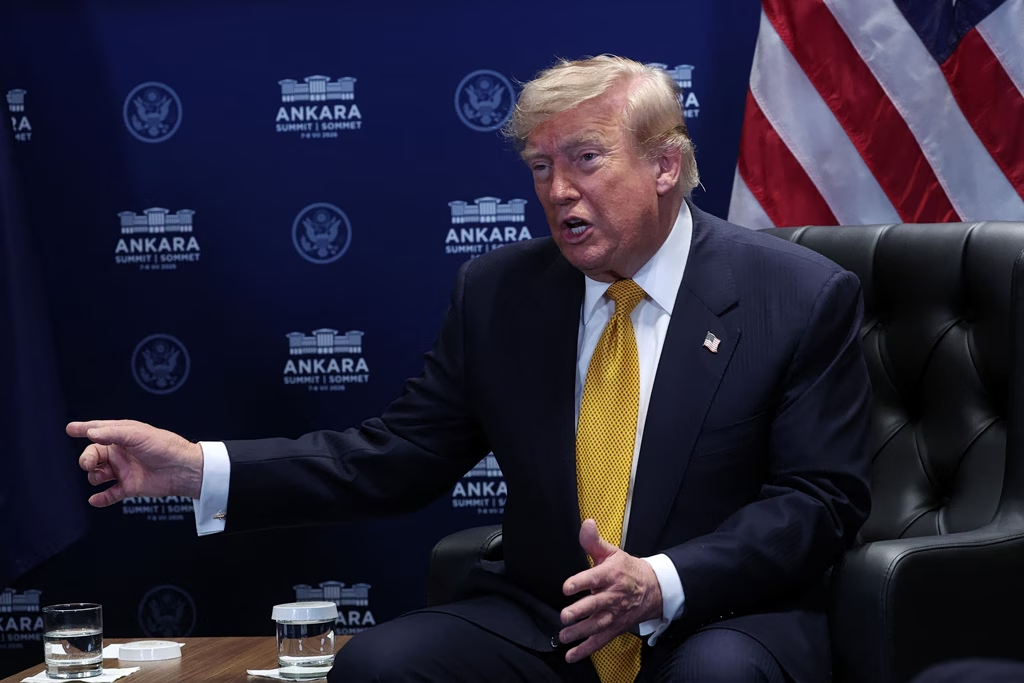
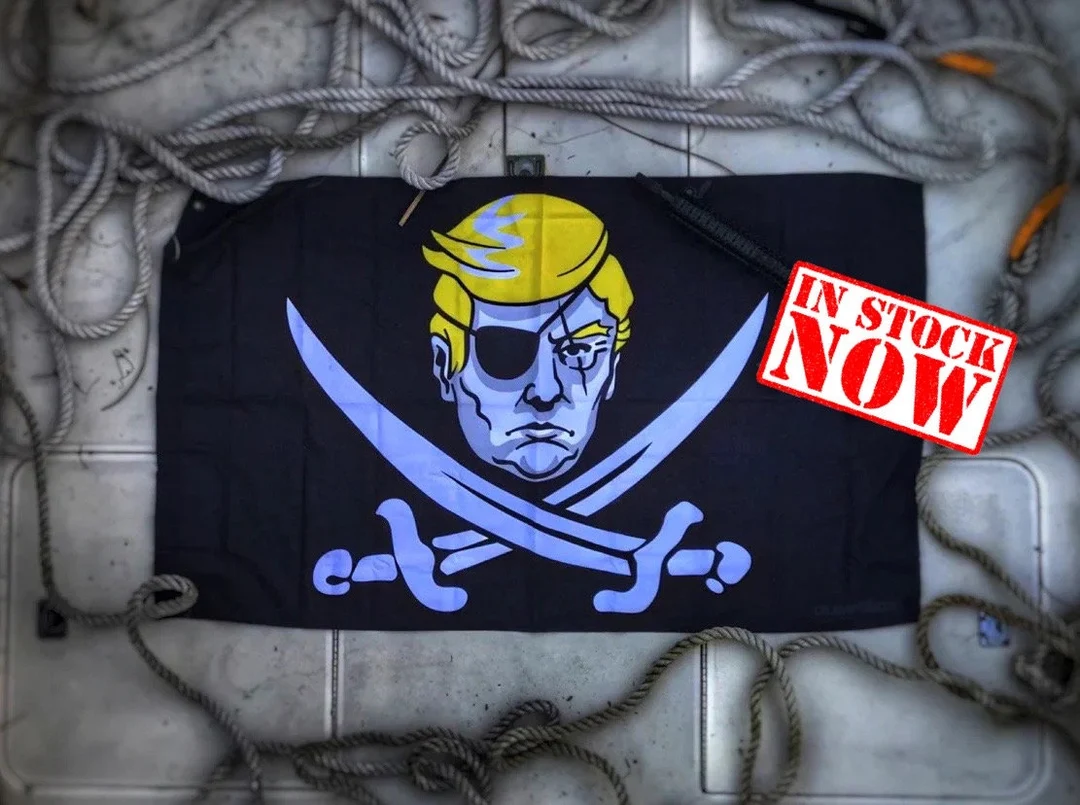
Donald Trump: “We are like pirates… it is a very profitable business – Who would have thought we would do something like this?”
It seems that the US President has not yet understood what has happened and what long-term damage it has caused to US foreign policy and credibility with its allies and partners. He should know that pirates never win in the long run when they face an organized state. The US is the world empire and in the Trump administration it is characterized as “pirates”. Empires are lost in narrow passages whether they are on land or at sea. If the President of the United States and-or his advisors knew history, he would know that at Hot Gates, the Persian Empire, and specifically Darius, was defeated by 300 Spartans. In the Strait of Hormuz, Darius is Donald Trump, who led the US Empire (the equivalent of the Persians in antiquity) to defeat against Iran (which today resembles the 300 Spartans). And the American empire was defeated by the mistakes of President Trump himself and his advisors (for more analysis on this topic, please read the article titled “The US-Israeli Mega Mistake: Iran’s missile range is longer than the operational range of aircraft carriers“).
And since all the cards are now in Iran’s hands (despite Trump’s statements), the Gulf states must understand that any solution will have to take into account Iran’s demands for the withdrawal of American military forces from the region.
Ultimately, in the Middle East of the future, all parties involved must recognize that the United States is part of the problem, not the solution — and any country that continues to rely on it will only face disappointment. Today, a new paradigm of balance of power is at work in the Middle East. And it does not include the United States.


