


The news has received relatively little international attention, especially in the US media — and perhaps not coincidentally, it is nevertheless extremely important. On Sunday (19/4/2026), two Americans and two Mexican officials were killed in a car accident in the Mexican state of Chihuahua, returning from an anti-drug operation.
However, the revelation that the two Americans were CIA officers has opened a much darker and more dangerous chapter: what exactly is the CIA doing inside Mexico — and how close is Washington to a new war?
The silent US penetration of Mexico
The presence of American agencies in Mexico is nothing new. Agencies such as the DEA and the FBI have been operating in collaboration with Mexican authorities for decades. But the CIA’s involvement is a completely different matter.
The CIA is not a simple law enforcement agency. It is a mechanism that has historically been associated with covert operations, regime change, and military interventions. The fact that its agents operate inside Mexico is not just “technical cooperation.” It is high-stakes geopolitical infiltration.
Donald Trump and the strategy of escalation
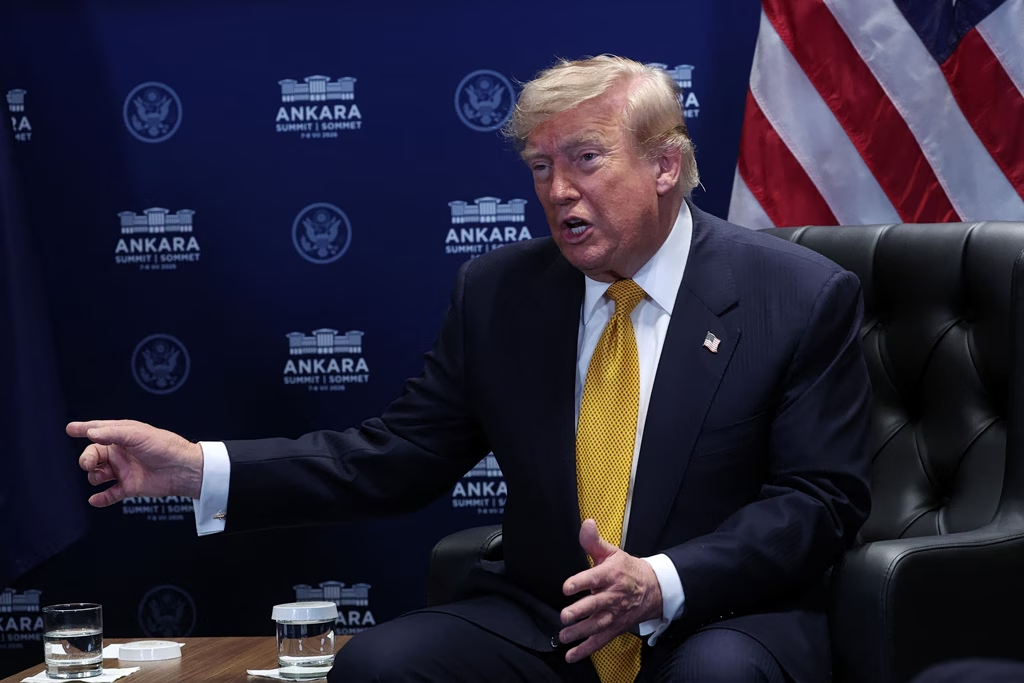
Since returning to power, US President Donald Trump has adopted a decidedly more aggressive stance towards Mexico.
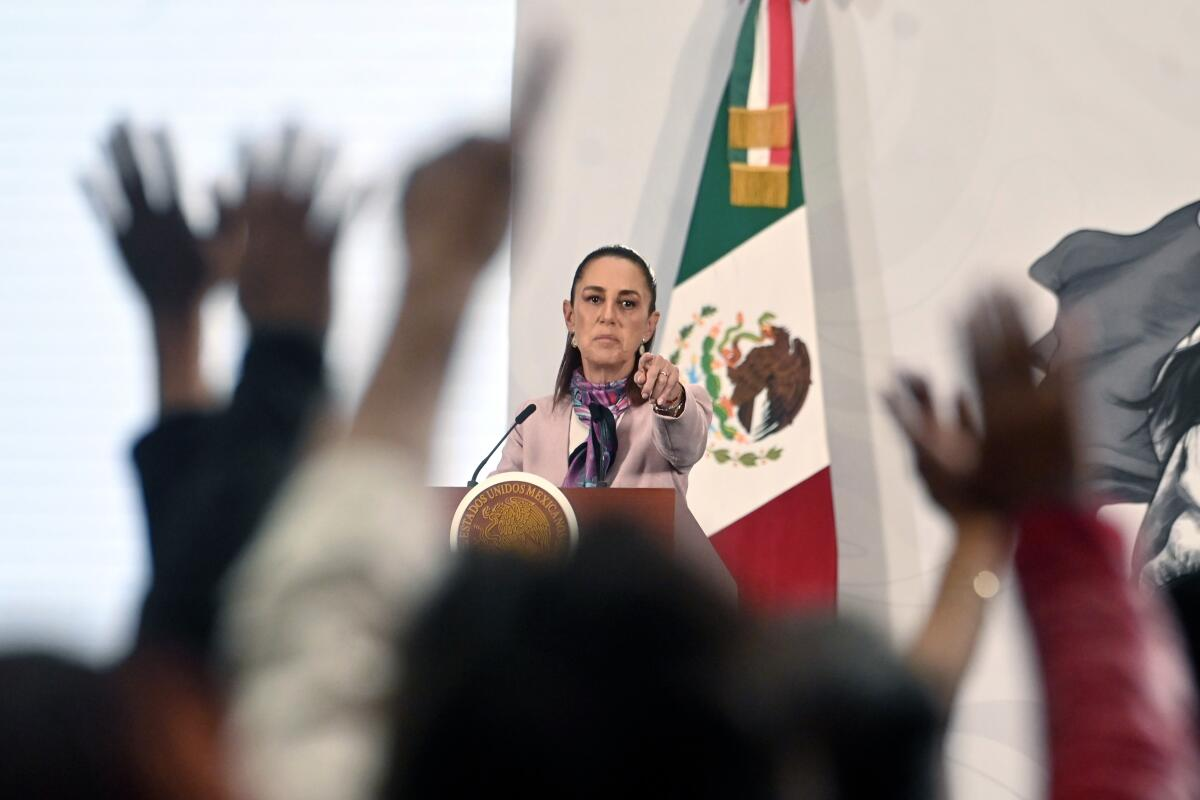
He has put intense pressure on Mexican President Claudia Sheinbaum to allow direct US military action, operations inside Mexican territory, and even full involvement of the US armed forces. The argument is simple: “war on the cartels.”
But behind this narrative lies something much more dangerous: the transformation of Mexico into a new field of military intervention.
From Drugs to Terrorism – The US Seeks Legal Window for War
In 2025, the Trump administration designated Mexico’s major cartels as “terrorist organizations.” This move was more than just symbolic. It was the legal tool that allowed for increased CIA activity, extrajudicial killings, and the militarization of the “war on drugs.” Simply put: the war on drugs turned into a war on “enemies.”
Violation of sovereignty and political explosion in Mexico – Beginnings of a coup
The problem is that Mexico is not a battlefield. The country’s legislation explicitly prohibits the uncontrolled action of foreign agents. Charges have already been made against the governor of Chihuahua, Maru Campos, for illegal cooperation with American services.
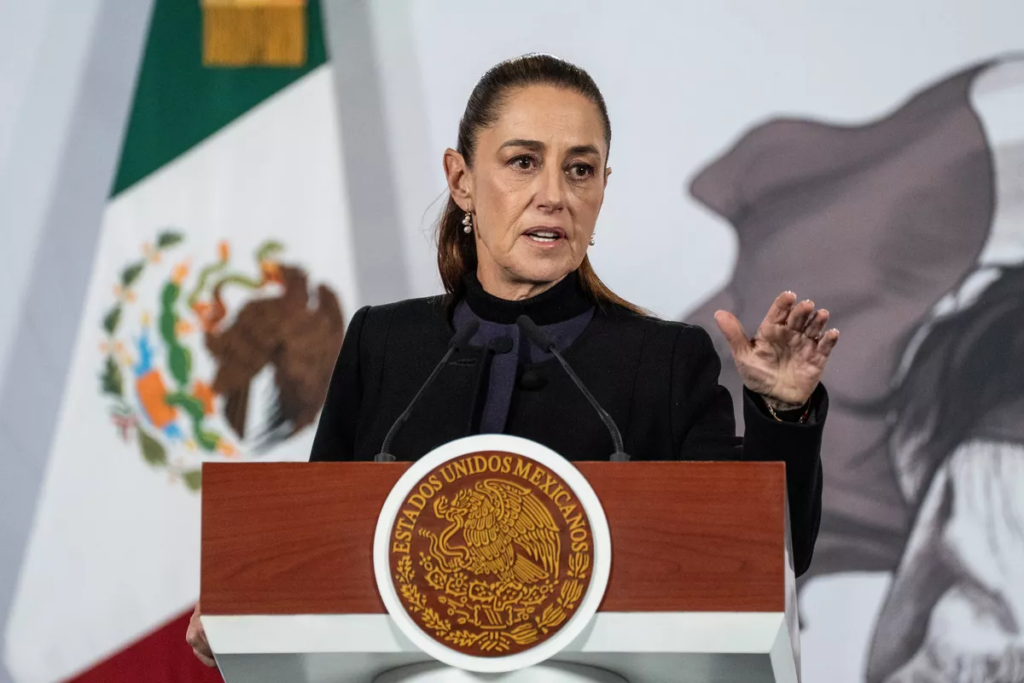
Sheinbaum is now in a difficult position: to protect national sovereignty, avoid conflict with the United States and manage internal political pressures. Geopolitical analysis shows beginnings of a coup with the possible use of the Venezuelan model with the kidnapping of the president, Nicolas Maduro.
A new “eternal war”
The biggest question is not what happened in the car accident. It is what comes after. If—or rather when—an incident occurs in which American agents or soldiers are killed by cartels, the reaction is almost predictable: pressure for military intervention.
Already, politicians like Tom Cotton and Lindsey Graham are openly calling for attacks on Mexico. Even figures like Marjorie Taylor Greene argue that a war on the cartels would be a “better option” than Iran.
Dangerous US delusion
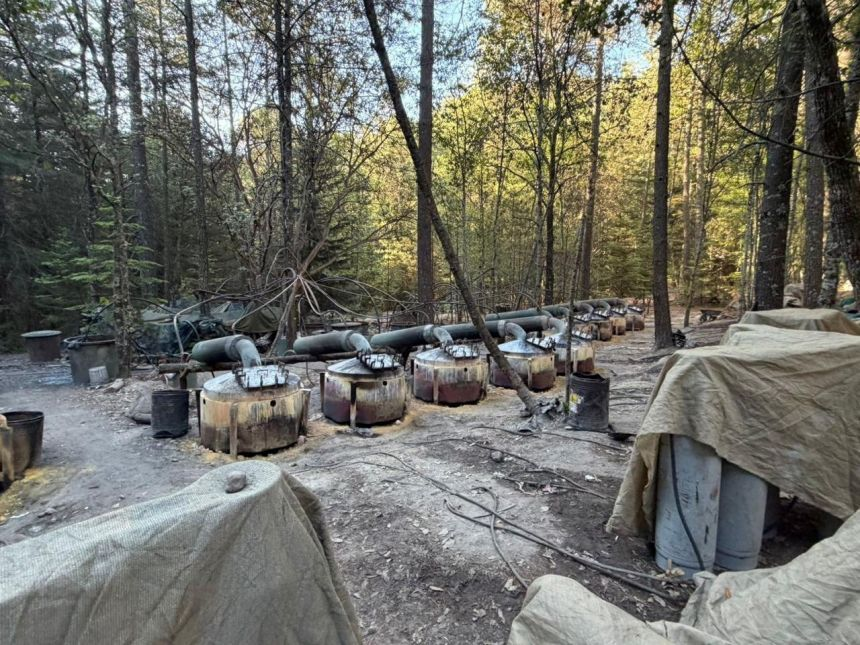
The idea that the US can “eliminate the cartels” is not only wrong — it is dangerous. The reason is simple: the cartels are deeply embedded in society, they have no ideology but an economic motive, and at the same time they are constantly reborn.
Mexico has been fighting the cartels for almost 20 years. Since that war, dozens of organizations have been dismantled, hundreds of leaders have been arrested or killed, and over 100,000 hitmen have been neutralized. And yet the problem remains
Washington’s hypocrisy
The truth that is systematically avoided: the demand for drugs in the US is the main driving force of the problem. Without the American market, the flow of weapons from the US to Mexico, corruption and impunity, the cartels would not have the same power. And yet, the solution proposed by the US is more violence.
The economic and social consequences of an intervention
A war in Mexico will not be “surgical”. It will have enormous consequences for US citizens as 1.6 million Americans live in Mexico while 10 million travel there every year.
All these people will find themselves at the center of the violence. The migration dimension is also important, as a mass flight of refugees towards the border is expected and such a possibility would result in the collapse of Trump’s refugee policy.
The economic dimension is also extremely important, as bilateral trade reaches almost 1 trillion dollars and a possible border closure would cause a global economic shock.
The paradox, the policy that is already paying off
And here lies the greatest irony: without war, the results are already positive. The flow of fentanyl has decreased by 56%, drug seizures have increased, while violence in Mexico has decreased by 15%.
The government of Claudia Sheinbaum and the Minister of Security Omar García Harfuch have achieved significant results. But instead of strengthening this cooperation: a military escalation is being promoted.
From Iran to Mexico: A dangerous pattern
The Trump strategy seems to repeat the same pattern:
- Escalation of tension
- Creation of an “enemy”
- Pressure for military action
The same pattern that was applied to Iran is now being transferred to Mexico. And this is what is most worrying: the possibility of another “eternal war”
Trump is playing with fire
The incident in Chihuahua is not a simple accident. It is a warning. Washington, under Trump, seems poised to ignore sovereignty, escalate conflicts, and repeat failed strategies.
And most worryingly? This time, the war will not be on the other side of the world. It will be right on the U.S. border. And history has shown one thing clearly: “forever wars” never end — they simply expand.

