



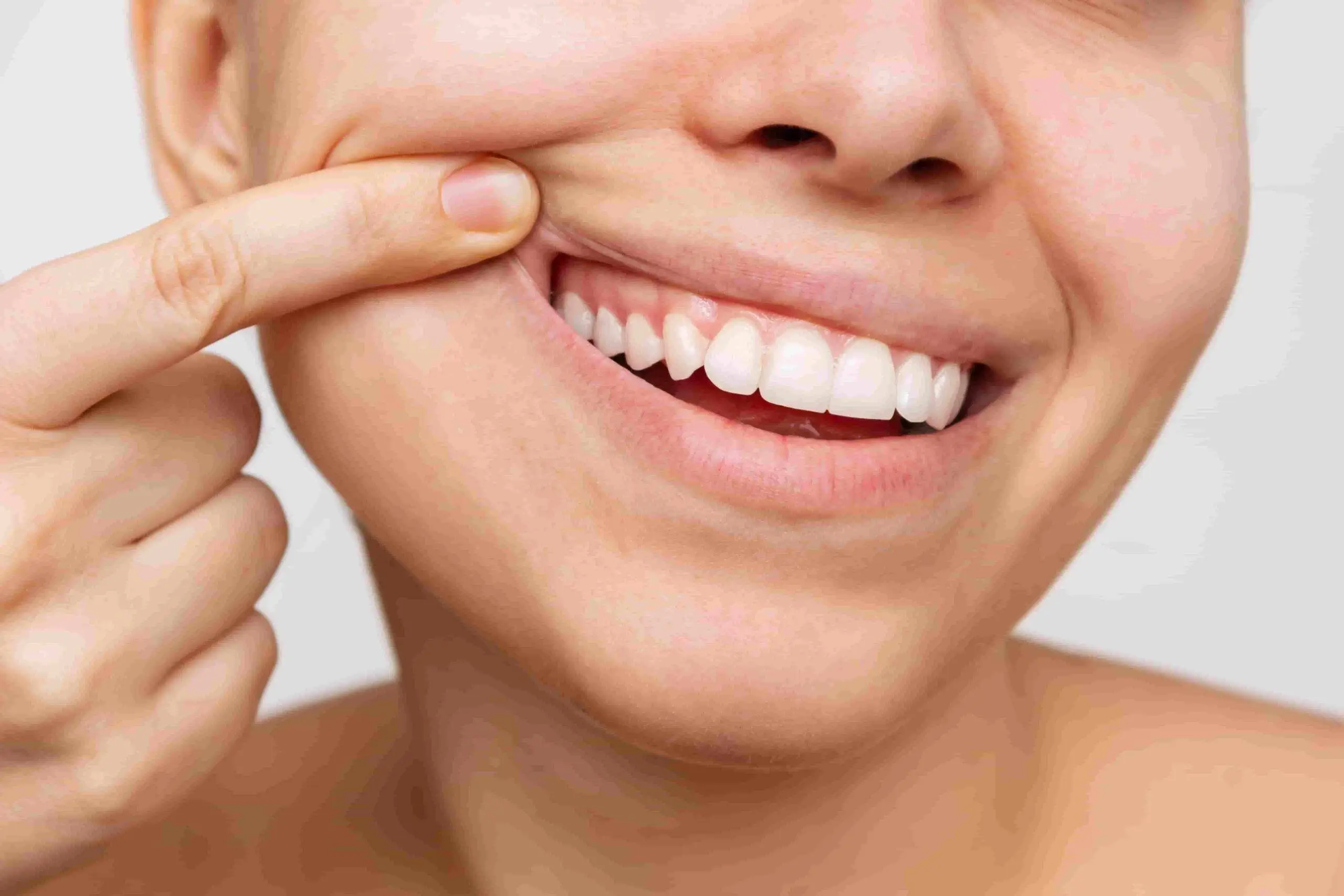
Receding gums should be known as if left untreated, it can lead to sensitivity, tooth decay, and even tooth loss.
Understanding the causes, symptoms, and available treatments can help you prevent further receding gums and restore your oral health.
What to watch out for if your gums start to recede?
Receding gums occur when the gum tissue surrounding the teeth wears away or moves upward, exposing more of the tooth and its root.
Common signs of receding gums:
- Increased tooth sensitivity to hot or cold foods and drinks.
- Visible roots or gaps/dark spaces between teeth.
- Bleeding gums, especially after brushing or flossing.
Why do gums recede?
Several factors can contribute to receding gums, including:
- Poor oral hygiene: Plaque buildup can lead to gum disease, which weakens gums over time.
- Aggressive brushing: Brushing too hard or using a toothbrush with hard bristles can wear down gum tissue.
- Periodontal disease: Advanced gingivitis, caused by bacterial infections, is the leading cause of receding gums.
- Genetics: Some people are predisposed to thinner or weaker gums.
- Hormonal changes: Hormonal fluctuations, especially in women, can make gums more sensitive and prone to such receding.
- Smoking: Tobacco products damage gum tissue and increase the risk of receding gums.
- Teeth grinding (bruxism): Excessive grinding or clenching of the teeth can put pressure on the gums, causing them to recede.
Can receding gums be reversed?
While the problem can’t always be completely reversed, some treatments can help restore gum tissue and prevent further damage:
- Gum grafting: A surgical procedure where tissue is taken from another part of the mouth and attached to the receding area to cover exposed roots.
- Pinhole Surgical Technique: A minimally invasive procedure where gum tissue is loosened and repositioned over the exposed root without the need for stitches.
- Topical treatments: Dentists may apply fluoride or desensitizing chemical agents to protect exposed roots and reduce sensitivity.
- Regenerative procedures: Bone- or tissue-stimulating proteins may be applied to areas affected by gum disease.


