


The image of the spy in the trench coat meeting his contact under a bridge in nighttime Prague now belongs to museums and movies.
In the 21st century, the “bridge” is digital, the “trench coat” is an encryption algorithm, and the meeting place is a server hidden in a basement in Scandinavia or Asia.
Modern espionage has transformed from an art of human intelligence (HUMINT) into a ruthless technological war of data.
The great powers – the US, China, Russia, but also regional players such as Israel – are no longer simply looking for state secrets in files. They are looking for control of infrastructure, theft of intellectual property and manipulation of public opinion.
The industrialization of hacking: APT groups
At the top of the pyramid are the so-called Advanced Persistent Threats (APTs). These are not individual hackers in hoods, but state agencies that operate with office hours and a corporate structure.
According to analyses by the Center for Strategic and International Studies (CSIS), groups such as the Russian “Sandworm” or Chinese cyberwarfare units, do not simply aim to intercept emails. They aim for Supply Chain Attacks. The most notable example was the SolarWinds breach.
By infecting the software of a company used by thousands of organizations, spies obtained “keys” to the networks of American ministries and multinational giants. The goal is no longer to break into a house by breaking the door, but to be already inside, hidden in the foundations, before the house is even built.
The smartphone as the ultimate bedbug
Perhaps the most frightening development is the privatization of cyberespionage weapons. Tools such as Pegasus (from the Israeli NSO Group) or Predator, brought about the revolution of “Zero-Click Exploits”.
In the past, the victim had to make a mistake: click on a link or download a file. Today, modern tools can infect a mobile phone without any action from the user.
Once installed, they turn the device into the perfect spy: they activate the camera and microphone, record encrypted conversations (WhatsApp, Signal) and track the target’s location in real time.
This technology has turned espionage into a marketable product (Surveillance-as-a-Service), allowing even small states to have capabilities that were previously only available to the NSA and the KGB.
OSINT: Hidden in Plain Sight
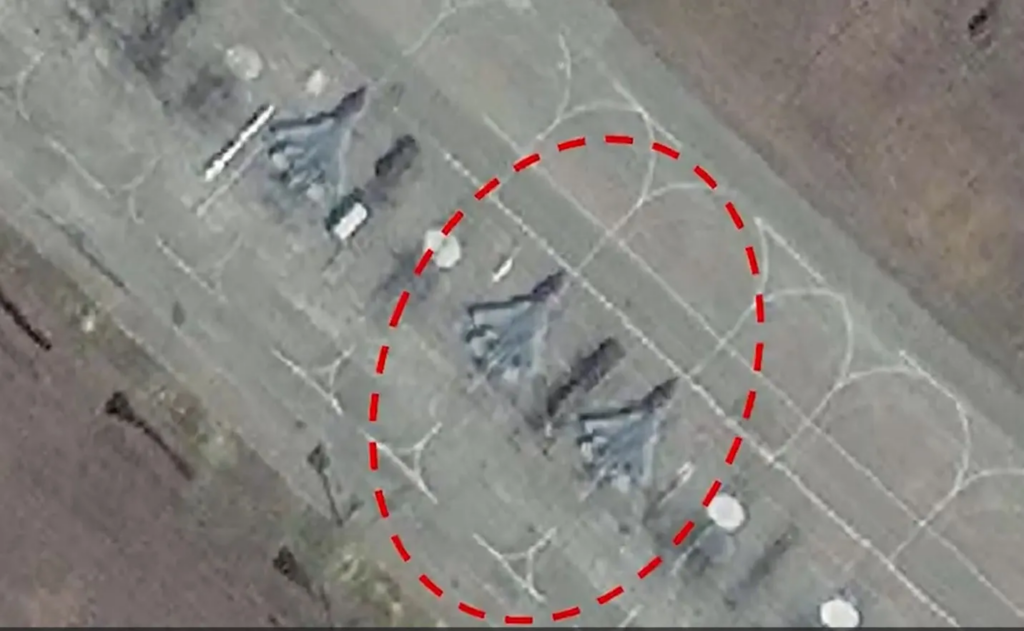
While traditional spies try to steal secrets, a new generation of analysts is proving that secrets are often public. Open Source Intelligence (OSINT) is the collection of information from open sources: commercial satellite imagery, geolocated data from social media, transportation databases, and corporate records.
The value of OSINT was clearly demonstrated in the war in Ukraine. Before Russian tanks even invaded, amateur analysts had tracked their movements through TikTok videos and Google Maps traffic data.
Intelligence agencies are now scraping the web. They don’t need to track a nuclear scientist if he uploads photos of his lab to LinkedIn or if his smartwatch gives away his route to a secret base.
Hybrid warfare and AI
Espionage today is not only about stealing information, but also about planting false information. This is where Artificial Intelligence (AI) comes into play.
International analysts warn of the era of Deepfakes and AI-generated personas. Modern agents can create digital personalities with a past, photos and voice that do not exist in reality, in order to reach targets on social media (LinkedIn, Facebook).
In addition, massive data analysis (Big Data) allows for “micro-targeted” psychological warfare. Intelligence services can map the social tensions of an opposing country and trigger them via bots, creating chaos without firing a single bullet.
The economy as a battlefield
Finally, the “dirty game” has clearly been transferred to the field of economics. China has perfected the art of industrial espionage, not for military purposes, but to win the technology race.
The target is microchip designs, electric vehicle battery formulas, and biotechnology. Spies today are often researchers at universities or “insiders” at major technology companies. The theft of intellectual property is considered by Western agencies to be the “greatest wealth transfer in history.”
We live in an era where the distinction between peace and war has blurred. The tools of espionage are everywhere—in our pockets, on our computers, on social networks.
The game of superpowers is no longer played in the shadows, but on the fiber optic cables that connect our world. And in this game, we are all, willingly or unwillingly, participants and targets.
The Answer – Cyberintelligence & cybersecurity
Cyberintelligence refers to the collection, analysis and management of information related to digital threats. Its main goal is to anticipate cyberattacks, identify risks, and improve security across networks and systems.
By using cyberintelligence tools, organizations can detect suspicious activities before they escalate into critical incidents, minimizing damage and improving decision-making in cybersecurity strategies.
With digital transformation increasing the risk of cyberattacks, having cyberintelligence tools is essential for:
- Protecting sensitive data from leaks and cyber theft.
- Identifying suspicious activities and blocking attacks before they escalate.
- Minimizing the impact of cyber incidents with faster and more effective responses.
- Enhancing decision-making through real-time security intelligence.
Today, cybersecurity is a top priority for businesses. Implementing cyberintelligence and cybersecurity solutions not only safeguards digital assets but also strengthens corporate reputation and customer trust.